India-Oman CEPA in force: 99% of exports get duty-free access
Synopsis
The India-Oman CEPA came into force on 1 June, flipping the script on bilateral trade overnight — from just 15.3% of Indian exports enjoying zero-duty access to nearly 99.38%. With $3.64 billion worth of goods set to become more competitive in the Gulf, this is one of the most consequential tariff unlocks India has secured in recent years.
Key Takeaways
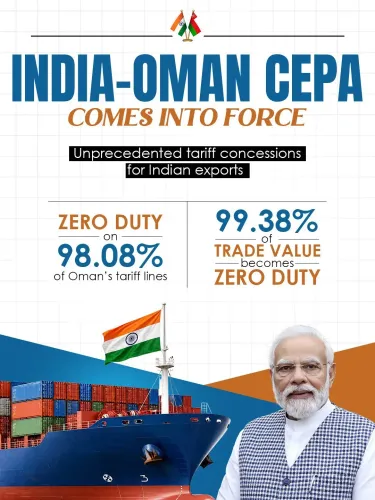
The India-Oman CEPA came into force on 1 June , providing immediate 100% duty-free access for 98% of tariff lines covering 99.38% of India's exports to Oman.
Previously, only 15.3% of India's exports to Oman enjoyed zero-duty treatment.
Indian goods worth approximately $3.64 billion currently facing a 5% import duty will now be more price-competitive in the Gulf.
Key beneficiary sectors include textiles , pharmaceuticals , gems and jewellery , leather , automobiles , and MSMEs .
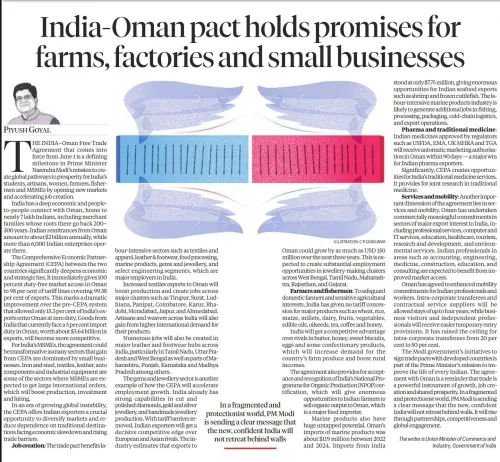
PM Modi shared Minister Piyush Goyal's article on X highlighting the agreement's benefits for farmers, artisans, and job creation.
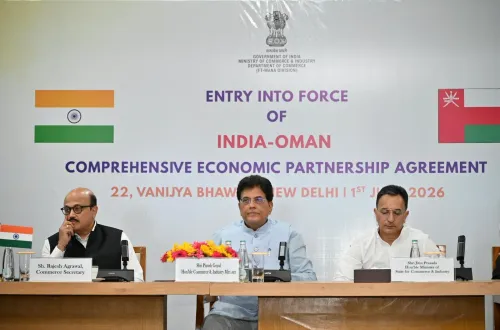
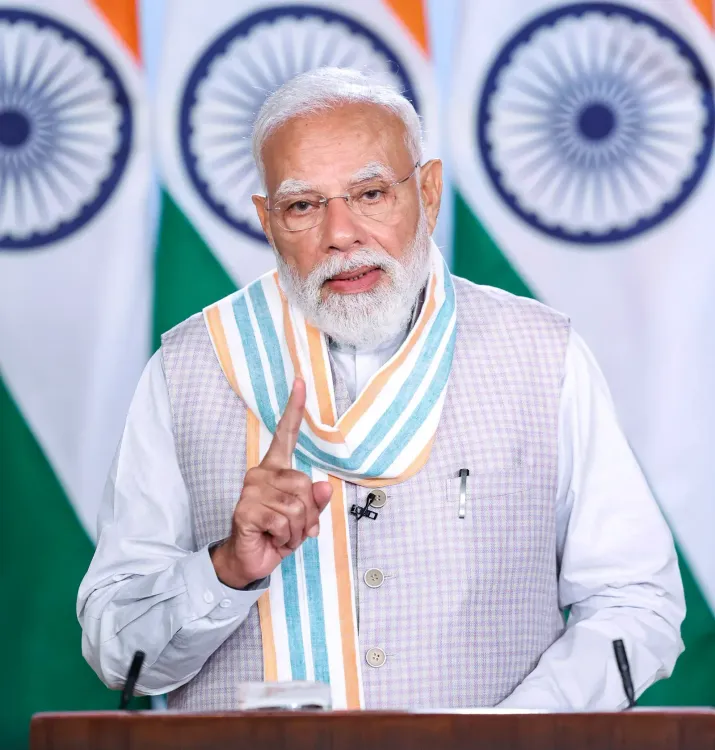
The India-Oman Comprehensive Economic Partnership Agreement (CEPA) came into force on Monday, 1 June, unlocking immediate 100% duty-free market access for 98% of tariff lines covering 99.38% of India's exports to Oman. The agreement marks a structural shift in bilateral trade, with Prime Minister Narendra Modi amplifying its significance by sharing an article penned by Union Commerce and Industry Minister Piyush Goyal on social media platform X.
What the Agreement Delivers
Under the CEPA, Oman will extend immediate duty-free access across nearly the entire spectrum of Indian export categories. Prior to this agreement, only 15.3% of India's exports to Oman enjoyed zero-duty treatment. Indian goods currently subject to a 5% import duty in Oman — accounting for approximately $3.64 billion worth of exports — will now become significantly more competitive in the Gulf market.
The Prime Minister's Office, in its post on X, stated that the agreement 'offers Indian exporters an opportunity to diversify markets, boost job creation, safeguard farmers' interests and foster shared prosperity between the two countries.'
Sectors Set to Benefit
Minister Goyal identified labour-intensive industries as the primary beneficiaries of the pact. These include textiles, gems and jewellery, leather, footwear, sports goods, engineering products, pharmaceuticals, medical devices, and automobiles. The agreement is also expected to open new avenues for MSMEs, farmers, fishermen, artisans, women entrepreneurs, and students — constituencies that Goyal described as central to Modi's vision of creating global opportunities.
Broader Trade Strategy
The India-Oman CEPA is part of a wider push by the Centre to deepen trade ties with both developed and emerging economies. Officials have indicated that such agreements are designed not merely to expand export volumes but to attract inbound investment and accelerate employment generation across sectors. This comes amid India's ongoing negotiations with the UK, the European Union, and the Gulf Cooperation Council (GCC) on separate trade frameworks.
Notably, the India-Oman pact is among the faster-concluded bilateral agreements in recent memory, reflecting a shift toward deal-making agility in Indian trade diplomacy. The UAE CEPA, signed in 2022, served as a template — and early data from that agreement showed a measurable uptick in bilateral trade within the first year.
What Comes Next
With the agreement now operational, exporters in textiles and pharmaceuticals are expected to begin recalibrating their Gulf market strategies. Industry bodies are likely to issue sector-specific guidance on leveraging the new tariff schedules. The government's broader goal, according to Goyal, is to boost exports, attract investment, and create jobs — outcomes that will be tracked against the agreement's implementation milestones in the months ahead.
Point of View
But the real measure will be whether Indian exporters — particularly MSMEs — can actually operationalise the new access. Duty-free schedules open doors; they do not guarantee orders. The UAE CEPA, often cited as the model, showed strong headline trade growth but uneven gains across sectors. India's textiles and pharma lobbies are well-positioned to capitalise, but smaller exporters will need active facilitation, not just a favourable tariff sheet. The Centre's broader CEPA pipeline — UK, EU, GCC — makes this a test case for execution, not just negotiation.
NationPress
24 Sept 2026
Frequently Asked Questions
What is the India-Oman CEPA?
The India-Oman Comprehensive Economic Partnership Agreement (CEPA) is a bilateral trade pact that came into force on 1 June, granting immediate 100% duty-free market access to 98% of tariff lines covering 99.38% of India's exports to Oman. It is aimed at boosting exports, attracting investment, and generating employment across labour-intensive sectors.
How does the India-Oman CEPA change existing trade terms?
Before the CEPA, only 15.3% of India's exports to Oman enjoyed zero-duty access. The new agreement extends duty-free treatment to nearly the entire range of Indian exports, making goods worth approximately $3.64 billion — previously subject to a 5% import duty — significantly more competitive in the Gulf market.
Which Indian sectors benefit most from the India-Oman CEPA?
Labour-intensive sectors are the primary beneficiaries, including textiles, gems and jewellery, leather, footwear, sports goods, engineering products, pharmaceuticals, medical devices, and automobiles. MSMEs, farmers, fishermen, and artisans are also expected to gain from expanded market access.
What did PM Modi say about the India-Oman CEPA?
Prime Minister Narendra Modi shared an article by Union Commerce Minister Piyush Goyal on X, with the PMO stating the agreement offers Indian exporters an opportunity to 'diversify markets, boost job creation, safeguard farmers' interests and foster shared prosperity' between India and Oman.
How does the India-Oman CEPA fit into India's broader trade strategy?
The CEPA is part of the Centre's wider effort to sign trade agreements with key partners, including ongoing negotiations with the UK, the European Union, and the Gulf Cooperation Council. Officials say these deals are designed to improve export competitiveness, attract investment, and raise living standards for Indian citizens.