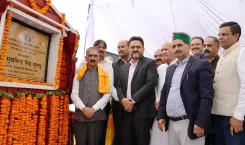
Jal Shakti Minister Paatil champions Jal Arpan community drive
Synopsis
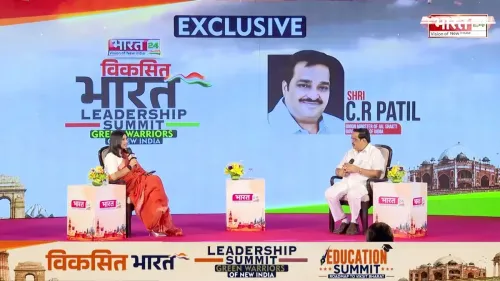
Union Jal Shakti Minister C. R. Paatil on 16 October 2026 championed the Jal Arpan initiative, urging gram panchayats, women, and youth to shift from being beneficiaries of Jal Jeevan Mission to becoming long-term owners and stewards of rural water infrastructure.
Key Takeaways
Paatil , Union Jal Shakti Minister, posted on 16 October 2026 calling for community ownership of rural water systems under the Jal Jeevan Mission .
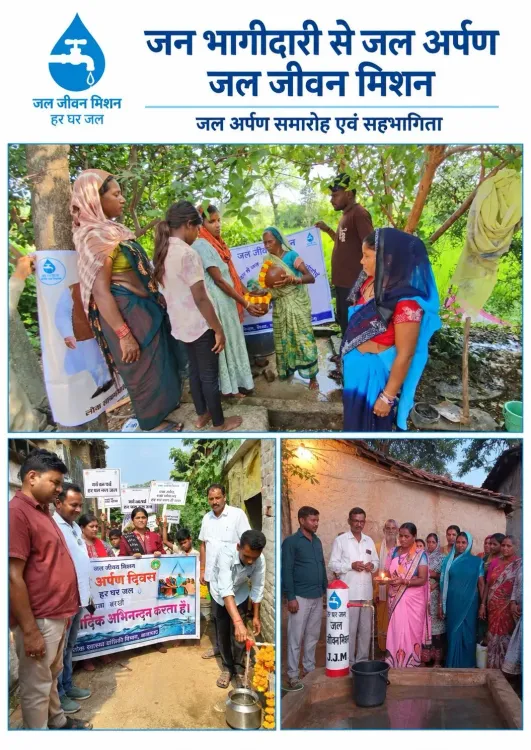
The Jal Arpan initiative involves villages ceremonially and practically adopting water-supply infrastructure through traditional rituals and awareness drives.
Gram Panchayats , women, and youth are identified as the primary agents of sustainable water stewardship at the village level.
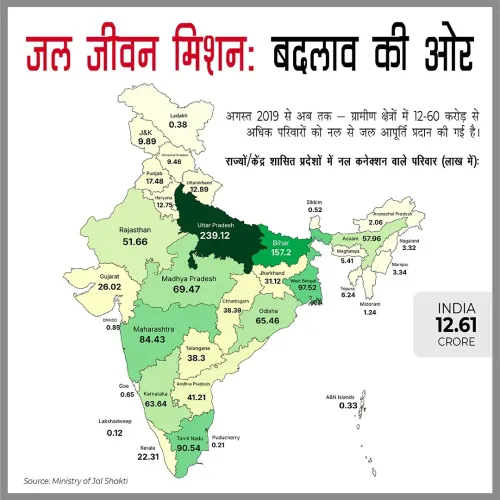
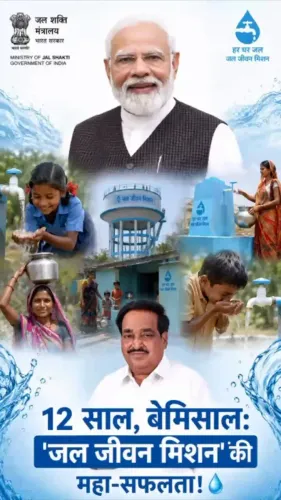
The Jal Jeevan Mission was launched by PM Narendra Modi in August 2019 to provide functional tap connections to every rural household in India.
Paatil argued that the mission's 'real success' lies in making villages self-reliant on water — not just in delivering tap connections.
The model mirrors the Swachh Bharat Mission approach of handing infrastructure maintenance to local communities after initial central investment.
Villages are no longer just labhaarthi — beneficiaries — of water schemes. On Friday, 16 October 2026, Union Jal Shakti Minister C. R. Paatil made that declaration the centrepiece of a rallying post on X, invoking the Jal Jeevan Mission not as a pipeline project but as a nationwide peoples' movement — and calling on every gram panchayat, mother, sister, and young person to become a guardian of their own water future.
From tap connection to community ownership
Paatil's post draws a clear line between what Jal Jeevan Mission was at launch in August 2019 and what it must become. Prime Minister Narendra Modi announced the scheme with a singular goal: a functional household tap connection in every rural home in India. That infrastructure push was enormous in scale. But the minister's message on Friday is that bricks and pipes are only half the story.
The other half — and, he argues, the more consequential half — is the Jal Arpan initiative: communities ceremonially and symbolically 'offering' their water systems back to themselves, embracing local operation, conservation, and maintenance. 'Villages are moving from being mere beneficiaries of water schemes to becoming their owners, protectors, and future sentinels,' Paatil wrote, in a passage that captures the shift in register from delivery to stewardship.
Gram Panchayats and women at the centre
Gram Panchayats, the constitutionally mandated village-level bodies, are at the operational core of this model. So, notably, are women — mothers and sisters, in the minister's words — alongside youth groups. This mirrors the approach the government embedded in the Swachh Bharat Mission, where local bodies inherited toilet infrastructure after initial construction and were responsible for sustaining behavioural change. The logic is the same: central funds build the asset; community ownership keeps it alive.
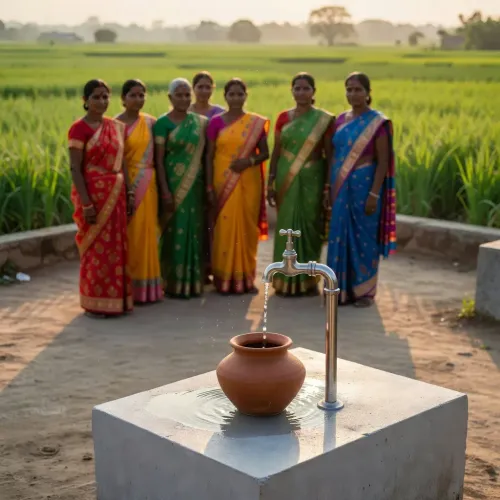
Paatil's post describes village communities welcoming water-supply systems through traditional rituals, organising awareness activities, and pledging to respect every drop. These are the visible signals the government is pointing to as proof that jan bhagidari — peoples' participation — is taking root beyond sloganeering.
The sustainability question behind the celebration
The minister's framing is celebratory, but it is also implicitly diagnostic. By insisting that 'the real success of Jal Jeevan Mission lies not just in delivering water to every home but in making every village self-reliant and responsible about water,' Paatil is flagging the scheme's next challenge: operation and maintenance funding at the panchayat level. Functional tap connections require electricity for pumps, trained operators, and repair budgets — burdens that fall on local bodies once central capital expenditure phases out.
That is the tension Jal Arpan is designed to address culturally: if communities feel ownership, they are more likely to pay user charges and maintain infrastructure. Whether that cultural shift translates into durable functionality rates is a question state-level data — and future parliamentary sessions — will ultimately have to answer.
Point of View
The ministry is attempting to build cultural legitimacy for user-level accountability before the scheme's central capital funding transitions to state and panchayat responsibility. This is consistent with the BJP government's playbook of reframing infrastructure delivery as moral participation, seen earlier in Swachh Bharat. The test will be whether symbolic community ownership ceremonies translate into the funding and technical capacity that keeps taps actually running.
NationPress
16 Oct 2026
Frequently Asked Questions
What is the Jal Arpan initiative under Jal Jeevan Mission?
Jal Arpan is a community participation initiative under Jal Jeevan Mission where villages — through gram panchayats, women's groups, and youth — ceremonially adopt local water-supply systems and commit to their operation, conservation, and maintenance.
What is Jal Jeevan Mission and when was it launched?
Jal Jeevan Mission was launched by Prime Minister Narendra Modi in August 2019 with the goal of providing a functional household tap water connection to every rural home in India, with an emphasis on community participation.
What is the role of gram panchayats in Jal Jeevan Mission?
Gram Panchayats are the village-level local bodies responsible for operating and maintaining water-supply infrastructure after it is built, including managing pump operators and local repair work.
What did Jal Shakti Minister C. R. Paatil say about Jal Jeevan Mission?
On 16 October 2026, Paatil said the mission's real success lies not just in delivering tap water to every home but in making every village self-reliant and responsible about water, using the Jal Arpan initiative as the vehicle for that shift.
Why is community ownership important for rural water schemes in India?
Community ownership ensures that after central government capital investment is complete, local bodies have the cultural and practical motivation to pay for electricity, repairs, and operators — keeping taps functional over the long term.