Jal Shakti Minister Paatil thanks PM Modi for water security guidance
Synopsis
Union Jal Shakti Minister C. R. Paatil publicly thanked PM Modi for amplifying his water security views through PMO India, calling 'Jal Sanchay, Jan Bhagidari' a growing people's movement and pledging continued work to secure water for future generations.
Key Takeaways
Paatil , Union Jal Shakti Minister, thanked PM Modi on 24 September 2026 for sharing his water security views via the PMO India platform.
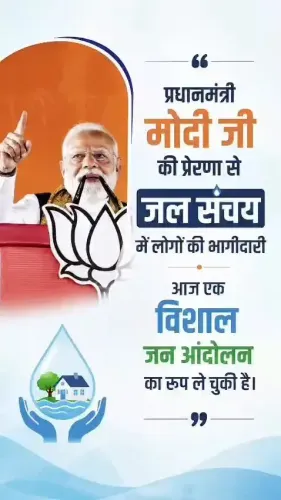
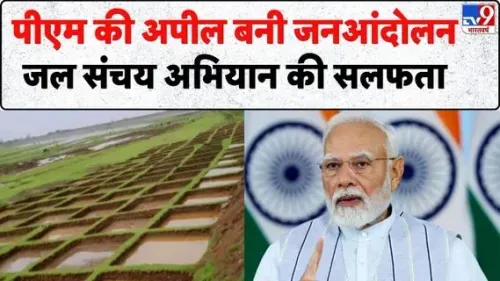
He described 'Jal Sanchay, Jan Bhagidari' (Water Storage, Public Participation) as evolving into a jan-andolan — a mass people's movement.
The government's Jal Jeevan Mission , launched in 2019 , aims to provide tap water to every rural household in India.
The Jal Shakti Abhiyan , also from 2019 , targets groundwater recharge and rainwater harvesting in water-stressed districts.
Paatil pledged to continue working with 'full dedication' to secure water for future generations under PM Modi's leadership.
Water security for future generations is becoming a mass movement — and Union Jal Shakti Minister C. R. Paatil wants the credit to flow directly to the top. On Thursday, 24 September 2026, Paatil posted a heartfelt acknowledgment to Prime Minister Narendra Modi, thanking him for amplifying his views on water security through the PMO India platform and for providing continuous guidance on every front of water conservation.
In his post, Paatil wrote: 'जल संचय, जन भागीदारी' ('Water Storage, Public Participation') — the government's stated mission — is taking the shape of a jan-andolan, a people's movement. 'With inspiration from your guidance, we will continue to work with full dedication to secure water for future generations,' he said, addressing the Prime Minister directly.
'Jal Sanchay, Jan Bhagidari' — From Slogan to Street-Level Campaign
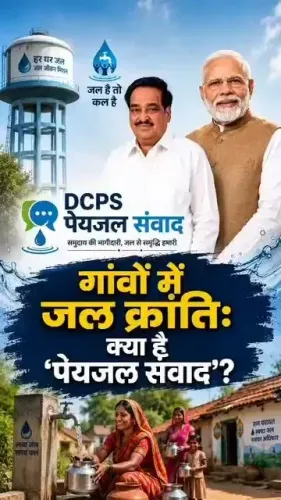
The phrase 'Jal Sanchay, Jan Bhagidari' encapsulates the central government's evolving strategy: pair hard infrastructure targets with grassroots community ownership. This framing did not arrive overnight. The government's Jal Jeevan Mission, launched in 2019, set out to deliver tap water connections to every rural household in India — a target that redrew the ambition of national water policy. The same year, the Jal Shakti Abhiyan launched conservation campaigns in the country's most water-stressed districts, focusing on rainwater harvesting and groundwater recharge.
Together, these schemes built the political vocabulary Paatil now deploys: conservation is not a bureaucratic exercise but a collective pledge. The jan-andolan framing is deliberate — it positions the government not as the sole actor but as the catalyst of a citizen-driven mission.
PMO as Amplifier — The Significance of the Shoutout
What stands out in the post is its specific reference to the PMO India account sharing Paatil's views. For a Cabinet minister, having the Prime Minister's Office broadcast your policy perspective is a visible signal of alignment at the highest level. Paatil, a senior BJP leader and former Gujarat BJP state president, has built his tenure at the Jal Shakti Ministry around proximity to the PM's water agenda.
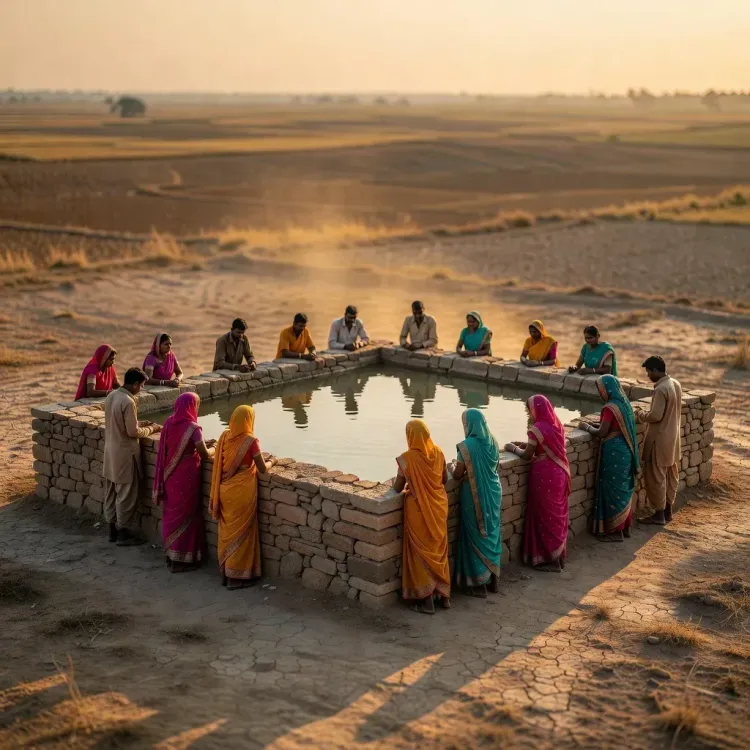
Rural households, farmers, and state water departments — the three constituencies most directly affected by groundwater stress and seasonal scarcity — are the real audience for the movement's messaging. Whether the jan-andolan framing translates into measurable behaviour change at the district level is the question that state-level progress reports will eventually have to answer.
For now, the minister has drawn the line clearly: the mission is set, the mandate comes from the top, and future generations are the constituency that counts.
Point of View
Designed to shift public perception of water conservation from a state responsibility to a civic duty. With groundwater stress deepening in multiple states, the Ministry's ability to sustain this messaging through verifiable outcomes — not just campaigns — will define whether the movement holds political and policy weight. The PMO amplification suggests the water agenda retains high visibility in the government's communications calculus.
NationPress
24 Sept 2026
Frequently Asked Questions
What is 'Jal Sanchay, Jan Bhagidari'?
'Jal Sanchay, Jan Bhagidari' means 'Water Storage, Public Participation' — it is the central government's campaign positioning water conservation as a community-driven people's movement under the Jal Shakti Ministry.
Who is C. R. Paatil?
C. R. Paatil is India's Union Minister of Jal Shakti, a senior BJP leader, and former president of the BJP's Gujarat state unit.
What is the Jal Jeevan Mission?
The Jal Jeevan Mission was launched in 2019 to provide functional tap water connections to every rural household in India, making it one of the largest water infrastructure programmes in the country's history.
What is the Jal Shakti Abhiyan?
The Jal Shakti Abhiyan, also launched in 2019, is a campaign targeting water-stressed districts to promote rainwater harvesting, groundwater recharge, and watershed management through public participation.
Why did C. R. Paatil thank PM Modi on X?
Paatil thanked PM Modi for having the PMO India account share his views on water security and for providing continuous guidance on water conservation, calling it a source of inspiration for the ministry's work.