CM Siddaramaiah inaugurates 108 Arogya Kavach Command Centre
Synopsis
Karnataka Chief Minister Siddaramaiah inaugurated the 108 Arogya Kavach Centralised Command and Control Centre on 26 May 2026, consolidating the state's emergency ambulance and health helpline network under a single digital hub to cut response times and improve rural healthcare access.
Key Takeaways
Karnataka Chief Minister Siddaramaiah shared coverage of the inauguration of the 108 Arogya Kavach Centralised Command and Control Centre on 26 May 2026 .
The centre is designed to consolidate Karnataka's emergency ambulance dispatch, monitoring, and health helpline operations under a single digital hub.
The 108 emergency ambulance service has operated in Karnataka since the late 2000s and is a critical resource for rural and emergency patients.
The upgrade reflects a broader Indian trend of applying command-and-control digital infrastructure to state health emergency systems.
Key performance indicators to watch include call response times and district-level integration across Karnataka's regions.
The launch is managed by the Health and Family Welfare Department of the Karnataka government.
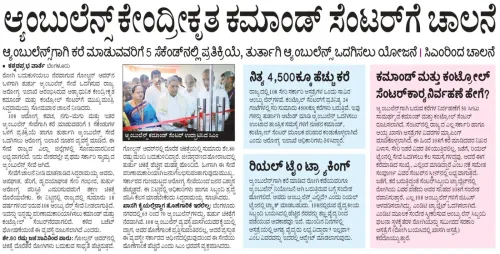
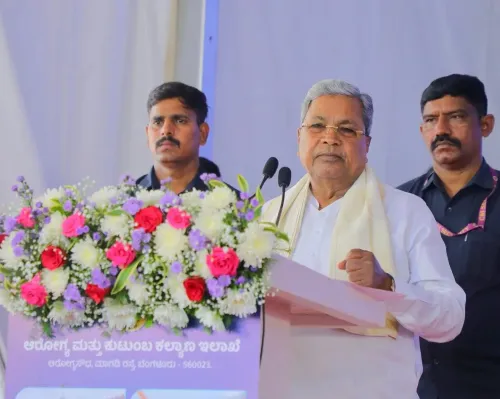
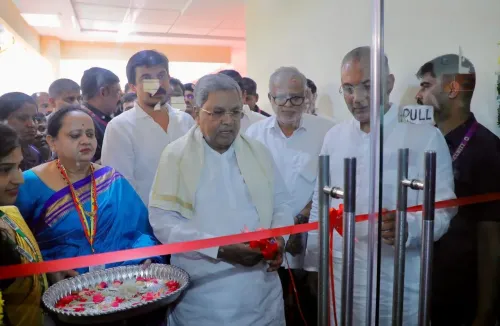
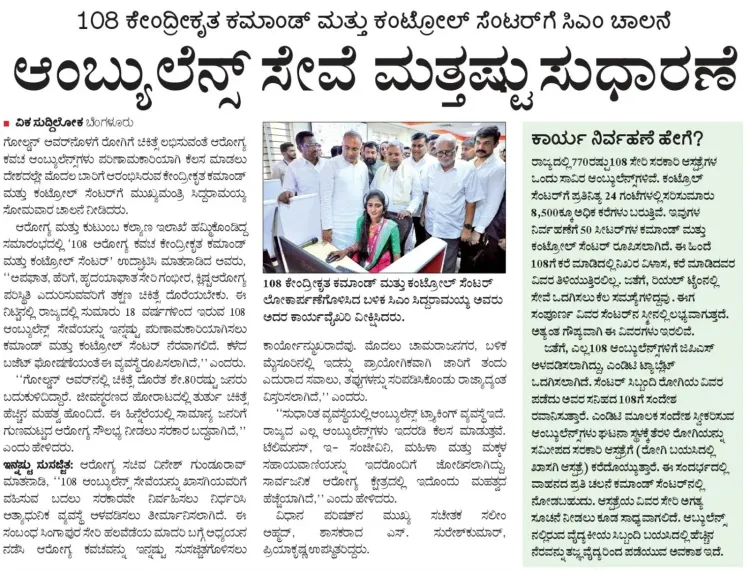
Karnataka Chief Minister Siddaramaiah on Tuesday, 26 May 2026, shared press coverage of the inauguration of the 108 Arogya Kavach Centralised Command and Control Centre, a new technology hub under the state's Health and Family Welfare Department aimed at strengthening emergency medical response across Karnataka.
Context
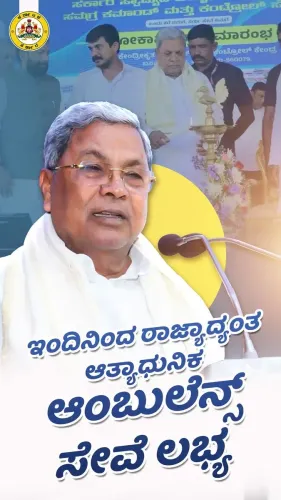
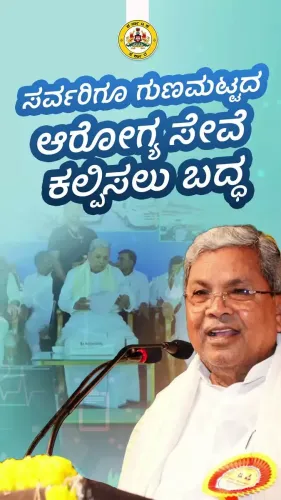
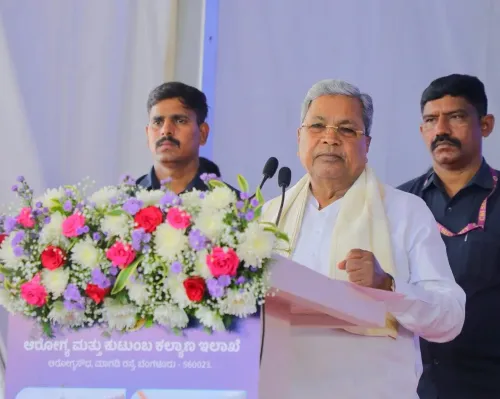
The Chief Minister's post, shared in Kannada, highlighted media reports on the inauguration ceremony of the '108 Arogya Kavach Kendra Keendrikruta Command and Control Kendra' — a centralised nerve centre designed to coordinate the state's emergency ambulance and health helpline network. The post was accompanied by four images from the event, underscoring the government's intent to publicise the launch widely.
The 108 service is Karnataka's primary emergency medical helpline, connecting callers in distress to the nearest available ambulance. The new command centre is intended to bring all dispatch, monitoring, and response functions under a single roof.
Policy Backdrop
Karnataka operationalised the 108 emergency ambulance service in the late 2000s as part of a broader statewide emergency medical response framework — a model later replicated across several Indian states. The service has since become a critical lifeline, particularly for rural households and emergency patients who lack access to private transport.
The launch of a centralised command centre represents the next phase in that evolution: using digital integration to link ambulance fleets, hospitals, and dispatch systems in real time. Karnataka governments across administrations have progressively invested in technology-enabled coordination to reduce response times and plug gaps in coverage.
This move reflects a wider national trend in which state health departments are building command-and-control infrastructure modelled on disaster management frameworks, applying similar principles to everyday medical emergencies.
Stakeholders and Impact
The primary beneficiaries of the upgraded system are emergency patients — particularly those in remote or underserved districts where ambulance response times have historically been longer. A centralised command centre can enable smarter dispatching, real-time tracking of vehicles, and faster escalation when calls require hospital-level coordination.
Rural households stand to gain the most, as the centre is expected to improve district-level linkages and reduce the time between a distress call and ambulance arrival. Health workers and paramedics operating under the 108 network will also benefit from clearer communication protocols managed through a single hub.
For the Siddaramaiah government, the launch is a visible demonstration of its commitment to public health infrastructure — a policy area that carries significant electoral and social weight in a state with a large rural population.
What's Next
Attention will now turn to rollout metrics: how quickly the centre reaches full operational capacity, whether district-level integration is achieved uniformly, and what measurable improvements emerge in call response times across Karnataka's 31 districts. Independent assessment of the centre's performance — including data on average response times and call volumes handled — will be key indicators of its real-world impact.
If the centralised model delivers on its promise, it could serve as a template for further digital upgrades to Karnataka's broader public health infrastructure under the Health and Family Welfare Department.
Point of View
This is a politically useful moment — public health delivery is a tangible metric voters notice. The move fits a broader pattern of Indian state governments adopting command-and-control architectures, originally developed for disaster management, into routine health administration. The real test will be whether operational metrics — response times, district coverage — improve in a measurable, verifiable way.
NationPress
16 Sept 2026
Frequently Asked Questions
What is the 108 Arogya Kavach Centralised Command and Control Centre in Karnataka?
It is a new technology hub inaugurated by Karnataka Chief Minister Siddaramaiah that consolidates the state's 108 emergency ambulance and health helpline operations under a single command centre, enabling real-time dispatch coordination and faster emergency response.
What is the 108 Arogya Kavach service in Karnataka?
The 108 Arogya Kavach is Karnataka's state emergency medical services initiative, providing ambulance response and a health helpline to residents across the state, including in rural areas. It was operationalised in the late 2000s.
How will the new command centre help rural patients in Karnataka?
By centralising dispatch and monitoring, the command centre is expected to reduce ambulance response times, improve district-level coordination, and ensure faster help reaches rural households who lack access to private transport during medical emergencies.
Which department oversees the 108 Arogya Kavach Command Centre?
The centre operates under Karnataka's Health and Family Welfare Department, which is responsible for the state's public health services and emergency medical response infrastructure.
Why did CM Siddaramaiah post about the 108 command centre inauguration?
Chief Minister Siddaramaiah shared Kannada-language press reports and images from the inauguration ceremony on 26 May 2026 to publicise the launch of the upgraded emergency health infrastructure under his government.