CM Siddaramaiah launches 108 Arogya Kavach Command Centre
Synopsis
Karnataka CM Siddaramaiah inaugurated the 108 Arogya Kavach Centralised Command and Control Centre on 25 May 2026 — described as the first of its kind in India — extending advanced-technology ambulance services to all districts and bringing the 18-year-old 108 network under direct government oversight.
Key Takeaways
Karnataka CM Siddaramaiah inaugurated the 108 Arogya Kavach Centralised Command and Control Centre on 25 May 2026 , calling it the first of its kind in India.
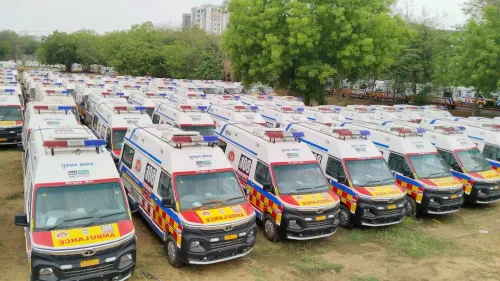
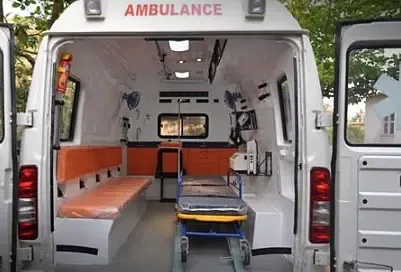
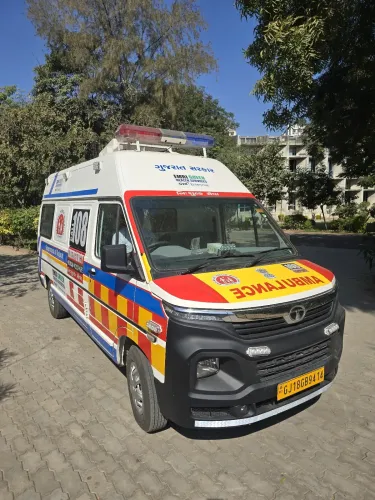
The centre extends advanced-technology ambulance services to all districts of Karnataka and centralises coordination of the 108 emergency network.
Karnataka has operated the 108 ambulance service for approximately 18 years ; the new command centre is its most significant upgrade.
The upgrade was a 2025-26 state budget commitment; the 108 system has been brought under direct government control from private operators to improve accountability.
Bengaluru city has 65 to 70 ambulances under the 108 system; CM Siddaramaiah cited that about 80 percent of patients treated within the golden hour survive.
The Chief Minister urged citizens to use government hospitals for treatment — including for conditions like cancer — rather than seeking state funds for private hospital care.
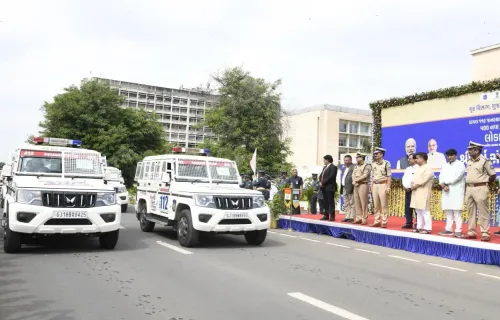
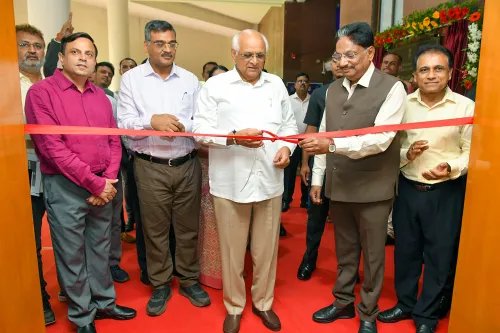
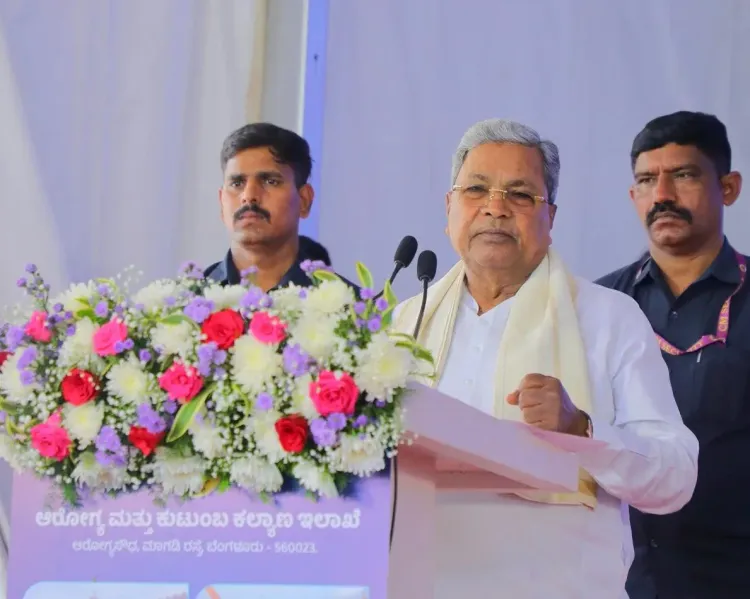
Karnataka Chief Minister Siddaramaiah on Monday, 25 May 2026, inaugurated the 108 Arogya Kavach Centralised Command and Control Centre under the state's Health and Family Welfare Department, describing it as a first-of-its-kind facility in the country. The launch marks a significant upgrade to the state's emergency ambulance network, extending advanced-technology ambulance services to all districts of Karnataka.
Context
Addressing the gathering after the inauguration, CM Siddaramaiah said the new centre would ensure that people receive emergency treatment swiftly, particularly during what he called the 'golden hour.' He stated: 'Indina ambulance seve parinaamakaraiyaagi janaragge talupabeku' ['It is essential that this ambulance service reaches people effectively']. The Chief Minister highlighted that Karnataka has been operating the 108 ambulance service for approximately 18 years, and this new command centre represents its most significant structural overhaul.
The Arogya Kavach Command Centre is positioned as the nerve centre for coordinating all 108 ambulance dispatches across the state, using modern dispatch and tracking technology to cut response times. Bengaluru city alone currently has a fleet of 65 to 70 ambulances under the 108 system serving emergency calls.
Policy Backdrop
The upgrade was announced as part of the 2025-26 state budget, which had earmarked a dedicated management framework for the 108 emergency ambulance services. The Chief Minister noted that when the 108 system was operated by private entities, the government had limited ability to question their accountability. Now that the service operates under direct government oversight, he said, accountability has increased substantially.
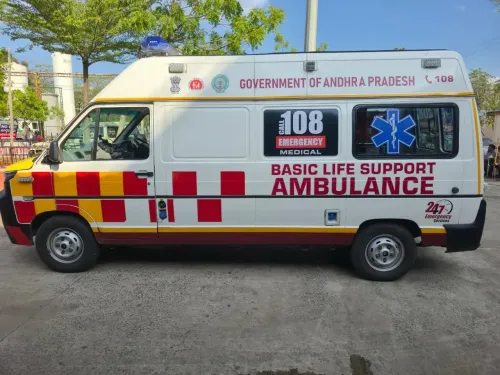
The 108 emergency ambulance model was first introduced in Andhra Pradesh in 2005 and was adopted by Karnataka around 2008. Multiple Indian states have since moved toward centralising command infrastructure and integrating GPS-based dispatch to align with the golden-hour standard of emergency care — the principle that treatment within the first hour of a medical emergency dramatically improves survival odds. CM Siddaramaiah cited data from the post indicating that approximately 80 percent of patients who received treatment within the golden hour survived.
Stakeholders and Impact
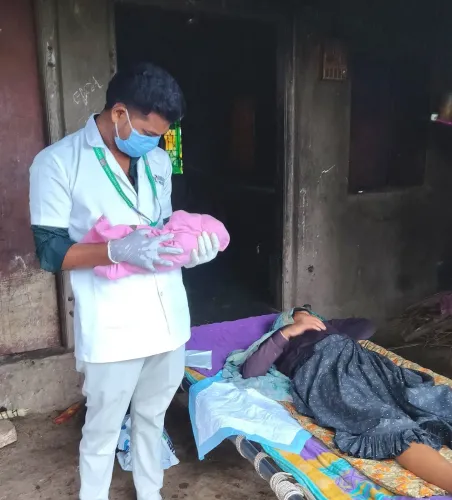
The Chief Minister specifically identified road accident victims, pregnant women, and heart patients as the primary beneficiaries of faster emergency response. He emphasised that swift pre-hospital care in life-or-death situations is critical, and the new command centre is designed to deliver exactly that across all of Karnataka's districts — including rural areas that have historically faced longer response times.
CM Siddaramaiah also used the occasion to encourage citizens to use government hospitals rather than private ones for treatment, including for conditions such as cancer, where private-sector costs are prohibitive. He said people who approach the Chief Minister's Relief Fund for medical assistance should instead first seek care at government hospitals, which he said offer quality treatment. The government, he added, is committed to developing the health sector to provide quality services to ordinary citizens.
What's Next
With the Arogya Kavach Command Centre now operational, the immediate focus will be on monitoring response time metrics and patient outcomes to assess whether the new infrastructure delivers measurable improvements at scale. The state government's stated goal is for the service to reach every citizen in every district effectively. Observers will also watch whether the 2026-27 budget includes further fleet expansion allocations to complement the upgraded command infrastructure.
Point of View
The Siddaramaiah government is signalling a deliberate shift from contracted-out emergency services toward accountable, government-owned delivery. This fits a broader Congress-led Karnataka strategy of strengthening public institutions as an alternative to private-sector dependency — a theme that also runs through the Chief Minister's pointed call for citizens to use government hospitals. The golden-hour survival data cited in the post, if borne out by post-launch metrics, could become a powerful political and policy argument for further health-sector investment ahead of the next budget cycle.
NationPress
10 Oct 2026
Frequently Asked Questions
What is the 108 Arogya Kavach Command Centre in Karnataka?
The 108 Arogya Kavach Centralised Command and Control Centre is a new state-run facility inaugurated on 25 May 2026 that coordinates all 108 emergency ambulance dispatches across Karnataka using modern tracking and dispatch technology. It is described as the first such centralised command centre for ambulance services in India.
Who launched the 108 Arogya Kavach Command Centre?
Karnataka Chief Minister Siddaramaiah inaugurated the centre under the state's Health and Family Welfare Department on 25 May 2026.
How long has Karnataka had the 108 ambulance service?
Karnataka has operated the 108 emergency ambulance service for approximately 18 years, having adopted the model around 2008 after it was first introduced in Andhra Pradesh in 2005.
How many ambulances does Bengaluru have under the 108 system?
According to CM Siddaramaiah's post, Bengaluru city has a fleet of 65 to 70 ambulances operating under the 108 emergency service.
Why did Karnataka bring the 108 ambulance service under government control?
CM Siddaramaiah stated that when the service was run by private operators, the government could not effectively question their accountability. Bringing it under direct government oversight increases accountability and allows better integration with public hospitals and health policy goals.