Kishan Reddy Highlights DBT, Poverty Exit and Trachoma-Free India
Synopsis
Union Minister G. Kishan Reddy on June 9 highlighted three governance milestones — DBT plugging welfare leakages, crores exiting poverty, and India becoming trachoma-free — framing them as evidence of a decade-long shift in how the state delivers benefits to citizens.
Key Takeaways
Kishan Reddy posted on June 9, 2026 citing Direct Benefit Transfer, poverty reduction and trachoma elimination as governance achievements.
The Direct Benefit Transfer system, launched nationally in 2013 and expanded via the JAM trinity after 2014 , routes welfare payments directly into beneficiaries' bank accounts.
NITI Aayog Multidimensional Poverty Index reports since 2021 have documented a consistent decline in households classified as multidimensionally poor.
India's National Programme for Control of Blindness has incorporated trachoma-control components since the 1970s ; a trachoma-free declaration would require formal WHO validation.
Independent verification of the 2026 -specific poverty and trachoma-free statistics is pending from NITI Aayog and WHO respectively.
The post consolidates multiple scheme outcomes into a single welfare-governance narrative, a pattern common in ministerial communications ahead of electoral cycles.
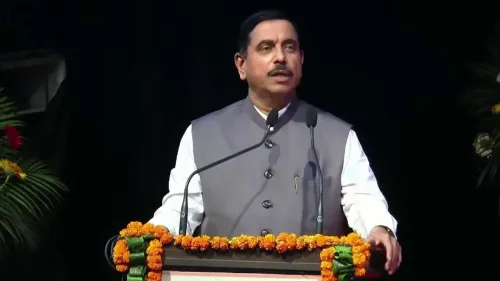
Union Coal and Mines Minister G. Kishan Reddy on Tuesday, June 9, 2026, credited the Direct Benefit Transfer system and sustained public-health programmes for what he described as a transformation in welfare delivery — pointing to crores of Indians exiting poverty and the country achieving a trachoma-free status.
Context
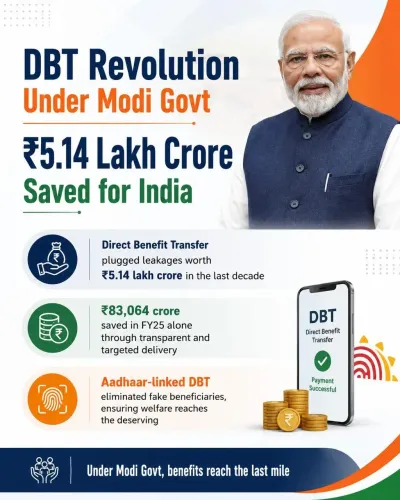
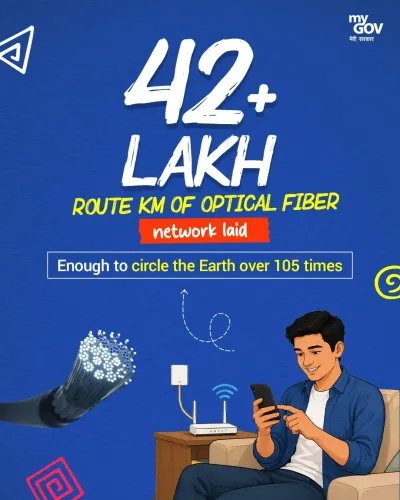
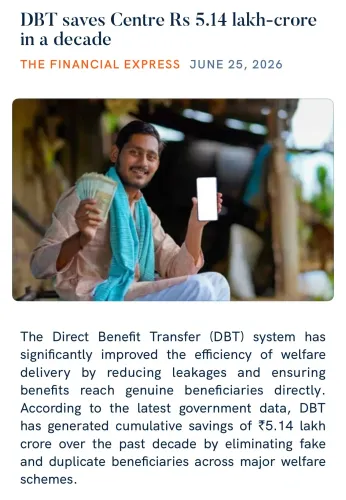
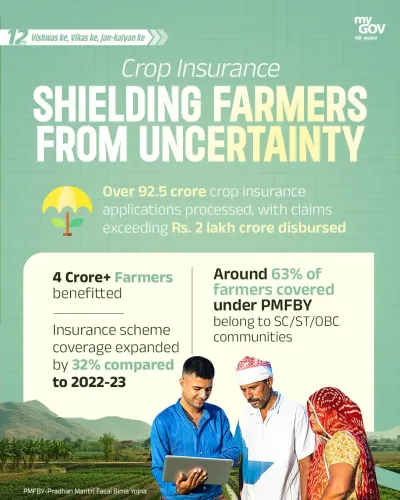
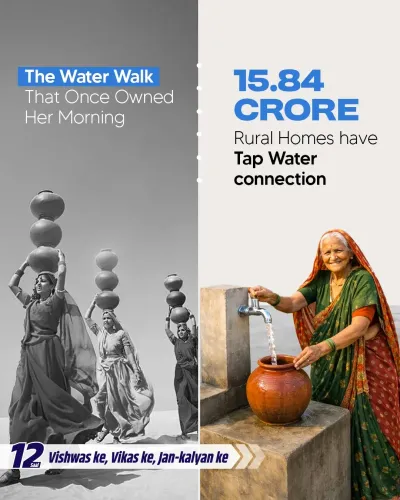
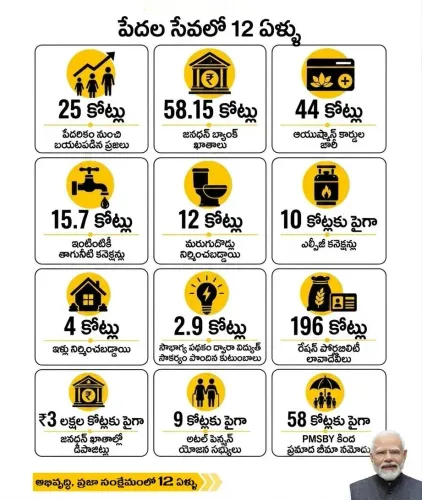
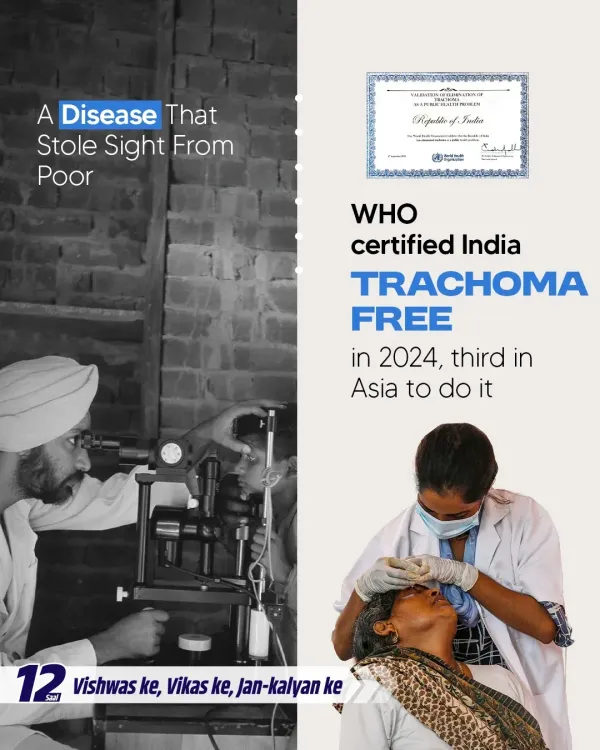
In his post on X, Kishan Reddy wrote that 'for too long, poverty, leakages in welfare delivery and preventable diseases limited the aspirations of millions.' He contrasted that past with the present, stating that 'benefits reach citizens directly through DBT, crores have moved out of poverty, and India is Trachoma-Free.' The post, accompanied by three images, consolidates several distinct governance outcomes into a single statement of progress.
Trachoma is a bacterial eye infection and the world's leading infectious cause of preventable blindness. India had run trachoma-control components under its National Programme for Control of Blindness since the 1970s, aligning with World Health Organization survey protocols. A formal trachoma-free declaration would mark the culmination of decades of antibiotic distribution, surgical intervention and community hygiene campaigns.
Policy Backdrop
The Direct Benefit Transfer mechanism was rolled out nationally in 2013 and significantly expanded after 2014 through the JAM trinity — Jan Dhan bank accounts, Aadhaar biometric identity and Mobile connectivity — routing subsidies and welfare payments directly into beneficiaries' accounts to cut intermediary leakages. The system now covers hundreds of schemes across ministries, from cooking-gas subsidies to scholarship payments.
On the poverty front, NITI Aayog has published successive Multidimensional Poverty Index reports since 2021, tracking households exiting poverty on combined health, education and living-standards parameters. These reports have documented a consistent decline in the share of households classified as multidimensionally poor, though the precise figures from any 2026 release remain to be independently verified.
Stakeholders and Impact
Rural households and welfare beneficiaries are the primary stakeholders in both the DBT architecture and the trachoma-elimination effort. Reduced leakages in subsidy delivery have, according to government assessments, meant that a larger share of allocated funds reaches intended recipients rather than being lost to middlemen or ghost beneficiaries.
For communities in states historically burdened by trachoma — particularly in Rajasthan, Uttar Pradesh and parts of Odisha — an elimination milestone would translate directly into preserved vision and reduced healthcare costs for some of the country's most economically vulnerable populations. The broader pattern since 2014 has seen the central government use digital infrastructure to simultaneously address subsidy inefficiency and run vertical health programmes against communicable diseases.
What's Next
Attention will now turn to the next NITI Aayog Multidimensional Poverty Index release for granular, state-level data on poverty reduction, and to any formal WHO validation statement on India's trachoma-free status — the international body's endorsement being the standard benchmark for disease-elimination claims. Parliamentary scrutiny of DBT coverage gaps and exclusion errors in welfare lists is also expected to continue.
If the trachoma-free and poverty-reduction claims are formally validated by independent bodies, they would represent a significant public-health and governance milestone — and are likely to feature prominently in the ruling party's campaign narrative ahead of state and national electoral cycles.
Point of View
Poverty statistics and a disease-elimination milestone into one narrative of governance transformation. The framing is deliberate: by linking administrative reform (DBT) with a public-health outcome (trachoma elimination), the post signals that welfare delivery and health are being treated as a unified policy arc rather than siloed programmes. The trachoma-free claim, if formally validated by the WHO, would be a rare, independently verifiable milestone that could lend credibility to the broader poverty-reduction narrative. Politically, such messaging is calibrated to consolidate the BJP's welfare-state identity among rural and lower-income voters in states like Telangana, where Kishan Reddy also serves as party president.
NationPress
20 Sept 2026
Frequently Asked Questions
What is Direct Benefit Transfer (DBT) and how does it reduce leakages?
Direct Benefit Transfer is an Aadhaar-linked system that routes government subsidies and welfare payments directly into beneficiaries' bank accounts, bypassing intermediaries who previously siphoned funds. It was launched nationally in 2013 and expanded after 2014 using Jan Dhan accounts, Aadhaar and mobile connectivity.
Is India officially trachoma-free?
Union Minister G. Kishan Reddy stated on June 9, 2026 that India is trachoma-free, but formal validation from the World Health Organization — the international benchmark for disease-elimination declarations — is the standard required to confirm such a status officially.
How many people have come out of poverty in India?
NITI Aayog's Multidimensional Poverty Index reports since 2021 have documented a consistent decline in the share of households classified as multidimensionally poor; precise 2026 figures from the next MPI release are awaited for independent verification.
Who is G. Kishan Reddy?
G. Kishan Reddy is the Union Minister of Coal and Mines in the Government of India and the BJP's state president for Telangana. He is a senior BJP leader who frequently highlights central government welfare and health outcomes on social media.
What is the NITI Aayog Multidimensional Poverty Index?
The NITI Aayog Multidimensional Poverty Index tracks the share of households that are deprived across health, education and living-standards indicators simultaneously, offering a broader measure of poverty than income alone. Reports have been released periodically since 2021.