Maharashtra Boosts Security After Ghaziabad ISI Spy Links; Ban on Chinese CCTV Imminent

Synopsis
Maharashtra is on high alert following alarming links to an ISI espionage network. The Chief Minister has ordered a complete overhaul of security measures, including a ban on Chinese CCTV cameras, to protect sensitive locations across the state.
Key Takeaways
Maharashtra is on high alert due to ISI espionage links.
Complete ban on Chinese CCTV procurement initiated.
Comprehensive review of existing surveillance systems ordered.
New CCTV policy aims to tighten security protocols.
Private surveillance integration into state security framework considered.
Mumbai, April 2 (NationPress) Following alarming disclosures regarding connections between a Ghaziabad-based ISI espionage cell and individuals in Maharashtra, the state has been placed on high alert. This has prompted a significant reevaluation of the state's security framework.
Officials from the Maharashtra Home Department indicated that a recent high-level evaluation meeting uncovered that the espionage network had compromised security at no fewer than five highly sensitive sites across the state. While security agencies managed to identify and secure these locations promptly, the situation has raised serious concerns within the state administration.
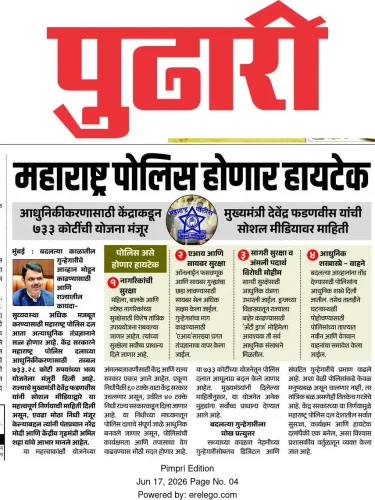
A senior official announced that Maharashtra Chief Minister Devendra Fadnavis has mandated a thorough reassessment of the CCTV surveillance systems in place throughout the state. The Chief Minister explicitly stated that the state government would enforce a total ban on acquiring any CCTV equipment from Chinese manufacturers, due to potential security vulnerabilities.
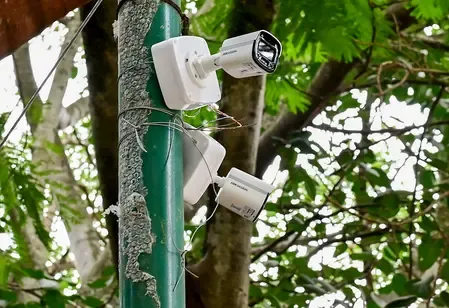
As part of immediate preventive measures, CM Fadnavis has instructed authorities to carry out meticulous inspections of cameras at critical and sensitive sites. Any equipment deemed a potential risk, especially those sourced from China, will be dismantled and replaced with secure alternatives.
Investigations into the espionage network revealed that one suspect had been living in Uran, near Nhava Sheva Port, posing as a daily wage laborer. Authorities suspect that members of this group conducted reconnaissance at vital installations in Mumbai, including naval bases and the airport.
The inquiry also discovered that the network utilized advanced surveillance technologies such as solar-powered, SIM card-operated standalone cameras. These devices were reportedly relaying live video feeds and GPS data to operatives based in Pakistan.
In light of these findings, the state Home Department is formulating a new CCTV policy aimed at enhancing surveillance protocols. The proposed regulations will require government bodies like the BMC and MMRDA to secure a police No Objection Certificate (NOC) before installing any CCTV systems, ensuring that only secure and verified equipment is used.
Additionally, the government is contemplating the integration of private surveillance networks into the overarching security framework. Housing societies may soon be required to share live feeds from external cameras with law enforcement agencies.
Officials are confident that these actions will not only protect sensitive information but also significantly bolster Maharashtra's surveillance capabilities, allowing authorities to quickly identify and respond to any future threats of foreign infiltration or data breaches.
Point of View
The situation underscores the need for robust security protocols in Maharashtra. The implications of foreign espionage are significant, prompting an urgent response from state authorities. This proactive approach aims to protect sensitive infrastructure and enhance overall security measures.
NationPress
15 Oct 2026
Frequently Asked Questions
What prompted the security overhaul in Maharashtra?
The security overhaul was prompted by revelations of an ISI espionage network with links to Maharashtra, which managed to breach security at several sensitive locations.
What measures are being taken regarding CCTV cameras?
The Maharashtra government is banning the procurement of CCTV cameras from Chinese companies and will conduct thorough inspections of existing surveillance equipment.
How will the new CCTV policy impact installations?
The new policy will require government agencies to obtain a police No Objection Certificate before installing CCTV systems, ensuring only secure hardware is used.
What risks are associated with the Chinese CCTV units?
Chinese CCTV units are being scrutinized due to potential security vulnerabilities and risks of foreign surveillance.
How is the government planning to integrate private surveillance?
The government is considering mandatory sharing of live feeds from private surveillance systems with law enforcement to enhance security.