Maharashtra frames special SOPs for fodder, water amid drought across 305 talukas
Synopsis
Maharashtra has moved beyond routine drought declarations — Revenue Minister Chandrashekhar Bawankule's Cabinet sub-committee has ordered district-level fodder banks, inter-district fodder transfers, a ₹3,000 crore water dues waiver, and a ban on defaulting to water tankers. With crop loss assessments 70 per cent done and a full state drought report due next week, the scale and structure of this response signals a more systematic approach than previous cycles.
Key Takeaways
Revenue Minister Chandrashekhar Bawankule directed that water tankers be used only as a last resort during the Maharashtra drought on 14 October 2026 .
District Collectors must restore non-functional tap water schemes and frame Special SOPs within 15 days .
A One-Time Settlement (OTS) scheme will waive interest and penalties on ₹3,000 crore in pending water dues, allowing local bodies to pay principal in instalments.
Fodder seeds worth ₹62 crore will be distributed to farmers; dedicated Fodder Banks will enable surplus-to-deficit district transfers.
Crop loss panchanamas are 70 per cent complete; full data expected by 31 October , with a comprehensive drought status report to follow.
Unused revenue land to be allotted to Women Self-Help Groups for fodder cultivation; road projects in drought areas mandated to include water body creation.
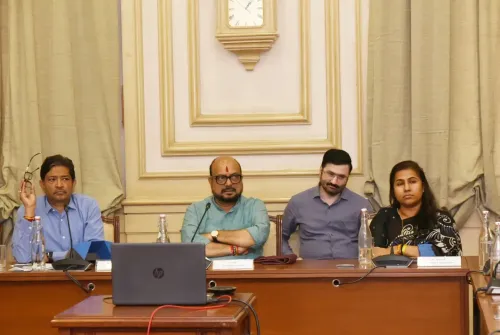
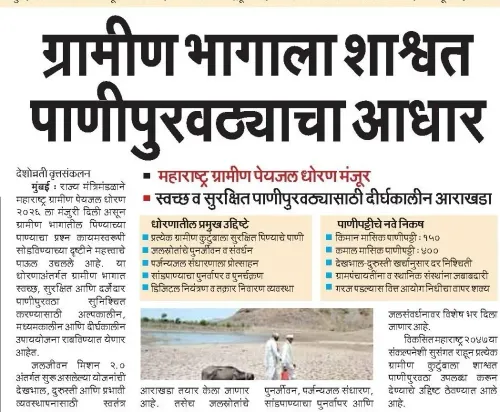
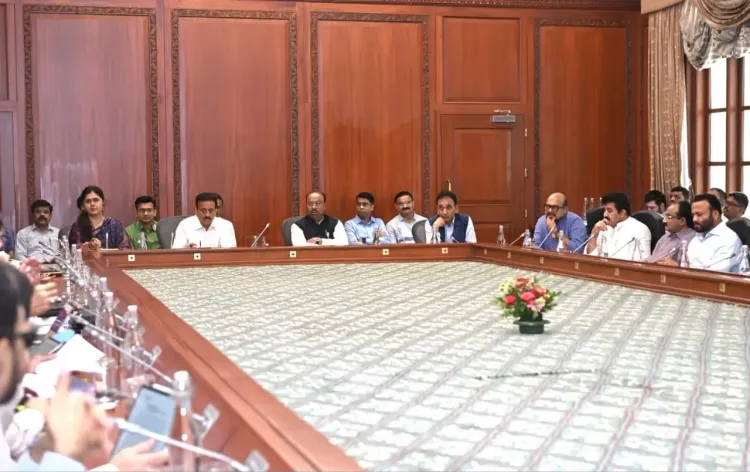
Maharashtra Revenue Minister Chandrashekhar Bawankule, who chairs the Cabinet sub-committee on drought relief, on Wednesday, 14 October 2026, directed the state administration to deploy water tankers only as a last resort while tackling the ongoing drought crisis spanning 305 talukas. He also ordered District Collectors to frame a Special Standard Operating Procedure (SOP) for managing both fodder and water resources immediately, and to restore non-functional tap water supply schemes within 15 days.
Key Directives to District Collectors
Minister Bawankule instructed District Collectors to restore smooth electricity supplies and make 75 fully constructed water schemes operational within 15 days, alongside at least 25 per cent of incomplete schemes that have been stalled due to fund shortages. Funds from the 15th and 16th Finance Commissions will be drawn upon to clear pending electricity bills for these schemes, the minister confirmed after chairing the sub-committee meeting in Mumbai.
One-Time Settlement for ₹3,000 Crore in Pending Water Dues
A major financial relief measure announced at the meeting is a One-Time Settlement (OTS) scheme targeting approximately ₹3,000 crore in pending water scheme dues. Under the OTS, interest and penalty charges on these dues will be fully waived, allowing local bodies to repay the principal amount in structured installments. The move is aimed at reviving stalled water infrastructure by unblocking dues that have accumulated over years of underpayment by civic and rural bodies.
Fodder Banks, Seed Distribution and Surplus Transfer
'To combat potential feed scarcity for livestock, District Collectors, in coordination with the Agriculture and Animal Husbandry departments, will set up a dedicated Fodder Bank alongside structured SOPs. Excess fodder from surplus districts will be transferred to neighbouring drought-hit regions. Fodder seeds worth ₹62 crore will be distributed to farmers with sustainable water sources to boost local production. Government agencies will procure fodder from farmers at guaranteed prices,' Minister Bawankule stated.
This coordinated inter-district transfer mechanism is notably new — previous drought cycles in Maharashtra have drawn criticism for siloed district-level responses that failed to redistribute available resources efficiently.
Crop Loss Assessment and Drought Status Report
According to the minister, the third phase of drought mitigation is actively under way. Crop loss assessment through panchanamas — official field inspections — is currently 70 per cent complete, with full data collection expected by 31 October. A comprehensive picture of the state's drought status is expected to be published the following week. This data will be critical in determining the scale of state and central government relief packages.
CSR Funds, Women SHGs and Road Projects Roped In
The Cabinet sub-committee also resolved to mobilise Corporate Social Responsibility (CSR) funds from major companies and District Planning and Development Committee (DPDC) funds for drought relief. Notably, all new road construction projects in drought-hit regions will be mandated to incorporate water body creation — including storage tanks and local water sources. Unused revenue department land will be allotted to Women Self-Help Groups (SHGs) for fodder cultivation, introducing a livelihood dimension to the relief framework.
With crop loss data due by month-end and the OTS scheme set to unlock stalled water infrastructure, the coming weeks will be decisive in determining how effectively Maharashtra translates these directives into on-ground relief for farmers and livestock across its drought-affected districts.
Point of View
A formal SOP mandate, and a debt-relief mechanism for water bodies are all steps beyond the usual tanker-and-relief-camp playbook. But the real test is implementation speed: a 15-day deadline to restore stalled water schemes is ambitious given that many have been non-functional for months or years due to chronic fund shortages. The ₹3,000 crore OTS is significant, but waiving penalties without addressing the structural reasons local bodies default — low user charges, poor collection — risks repeating the cycle. The decision to tie crop loss data to a public drought status report is a transparency positive, but only if the release is not delayed past the November deadline when Rabi sowing decisions become irreversible for farmers.
NationPress
14 Oct 2026
Frequently Asked Questions
What is Maharashtra's Special SOP for fodder and water supply?
It is a set of district-level directives issued by Revenue Minister Chandrashekhar Bawankule on 14 October 2026, requiring District Collectors to establish Fodder Banks, enable inter-district fodder transfers, restore tap water schemes within 15 days, and use water tankers only as a last resort during the ongoing drought across 305 talukas.
What is the One-Time Settlement scheme for water dues in Maharashtra?
The OTS scheme waives all interest and penalty charges on approximately ₹3,000 crore in pending water scheme dues owed by local bodies. The principal amount can be cleared in structured instalments, aimed at unblocking stalled water infrastructure across drought-hit districts.
How many talukas are affected by drought in Maharashtra right now?
The third phase of drought mitigation is actively under way across 305 talukas in Maharashtra, as of October 2026. Crop loss assessments are 70 per cent complete, with a comprehensive state drought report expected after 31 October.
What is the Maharashtra Fodder Bank plan and who benefits?
District Collectors, in coordination with Agriculture and Animal Husbandry departments, will set up dedicated Fodder Banks with structured SOPs. Surplus fodder from non-drought districts will be transferred to drought-hit ones. Fodder seeds worth ₹62 crore will be distributed to farmers with reliable water access, and government agencies will buy fodder from farmers at guaranteed prices — benefiting livestock owners across drought-affected regions.
How will Maharashtra fund drought relief operations?
Funds from the 15th and 16th Finance Commissions will cover electricity bills for water schemes. Corporate Social Responsibility funds from major companies and District Planning and Development Committee funds will be mobilised for broader drought relief. Unused revenue land will be allotted to Women Self-Help Groups for fodder cultivation.