PM Modi calls mutual trust the world's scarcest strategic asset
Synopsis
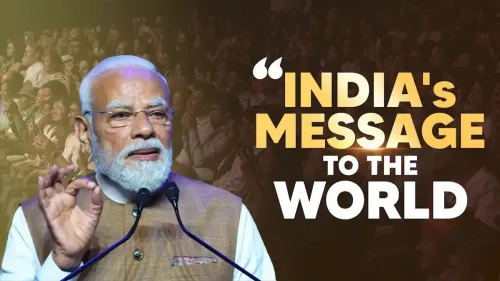
Prime Minister Narendra Modi on June 16, 2026 declared that the world faces a shortage of trust, not resources, and warned that the future of global partnerships depends on rebuilding mutual confidence — a message consistent with India's multi-alignment foreign policy posture.
Key Takeaways
PM Narendra Modi posted on June 16, 2026 that mutual trust is 'the most important strategic asset today.' He argued the world suffers from a shortage of trust, not resources, framing it as the central challenge for global partnerships.
The message aligns with India's post- 2014 multi-alignment strategy of engaging partners across geopolitical divides without formal alliances.
Trust-based multilateralism was a signature theme of India's G20 presidency in 2023 in New Delhi .
India's upcoming engagements at the SCO and UN General Assembly will be watched for concrete follow-through on this principle.
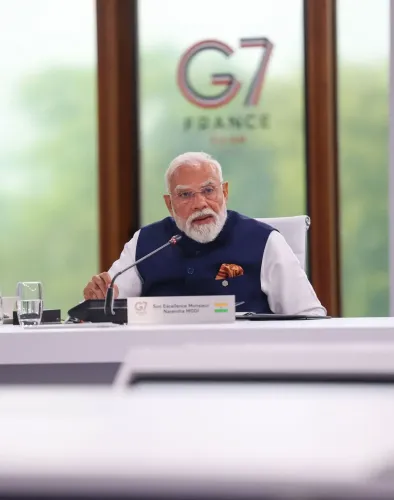
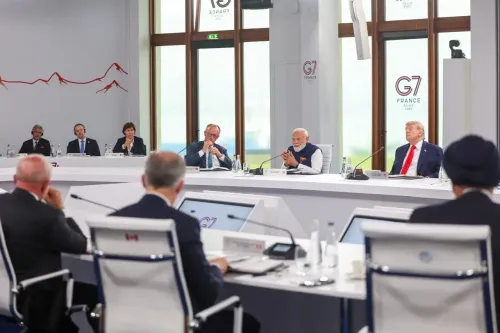
Prime Minister Narendra Modi on Tuesday, June 16, 2026, issued a pointed call for rebuilding global trust, arguing that the world's most acute deficit today is not one of resources but of mutual confidence among nations. The statement, posted on X, frames trust as the foundational currency of international partnerships going forward.
Context
In the post, Modi wrote: 'Mutual trust is the most important strategic asset today. But, sadly, today, the world does not suffer from a shortage of resources — it suffers from a shortage of trust. And the future of our partnerships depends on re-building this trust.' The message is unambiguous in its diagnosis: geopolitical friction, broken supply chains, and contested multilateral norms have eroded the confidence that underpins cooperation.
The framing is consistent with a thread that has run through India's foreign policy articulation since 2014 — that New Delhi positions itself not as a member of any single bloc but as a reliable interlocutor across geopolitical fault lines. Such messaging on social media has historically accompanied or closely followed major diplomatic engagements.
Policy Backdrop
The theme of trust-based multilateralism was a centrepiece of India's G20 presidency in 2023, when Modi repeatedly called for reformed global institutions that amplify the voice of the Global South. That summit, held in New Delhi, produced a consensus declaration that many observers regarded as a diplomatic achievement given deep divisions among member states over the conflict in Ukraine.
Since then, India has continued to navigate relationships with the United States, Russia, China, and European partners simultaneously — a multi-alignment posture that requires precisely the kind of credibility Modi is invoking here. Disruptions to global supply chains following the COVID-19 pandemic and ongoing regional conflicts have made trust-deficit arguments more resonant in multilateral forums.
Stakeholders and Impact
India's strategic partners — spanning the Quad grouping, the SCO, BRICS, and bilateral relationships with major economies — are the implicit audience for this messaging. For each of these frameworks, New Delhi has positioned itself as a bridge-builder rather than an adversary, and the language of trust directly supports that self-image.
Multilateral institutions such as the United Nations and the World Trade Organisation have faced credibility challenges in recent years, and Modi's framing lends weight to calls for their reform. For smaller and developing nations, the argument that the resource-rich world is failing due to a trust deficit rather than scarcity resonates strongly with grievances about unequal global governance.
What's Next
India's participation in upcoming multilateral forums — including sessions of the SCO and the UN General Assembly — will be closely watched for whether this trust-building language translates into concrete proposals or joint statements with partner nations. Diplomatic observers will look for bilateral communiqués that echo or operationalise the principle Modi has articulated.
As India continues to expand its diplomatic footprint, the repeated invocation of trust as a strategic asset signals that New Delhi intends to anchor its foreign policy identity around reliability and consistency — qualities it will need to demonstrate through action in the months ahead.
Point of View
Not merely a philosophical observation. It reinforces India's self-positioning as a credible, non-aligned interlocutor at a moment when the rules-based international order faces stress from multiple directions. The framing allows New Delhi to implicitly critique bloc-based geopolitics while offering itself as an alternative model of reliable partnership. Historically, such public articulations by Modi have preceded or accompanied active diplomatic outreach, suggesting this post may foreshadow a specific multilateral initiative or bilateral engagement in the near term.
NationPress
15 Sept 2026
Frequently Asked Questions
What did PM Modi say about global trust on June 16 2026?
PM Modi posted on X on June 16, 2026 that mutual trust is the world's most important strategic asset and that the world suffers from a shortage of trust rather than a shortage of resources, calling trust essential for the future of global partnerships.
What is India's foreign policy stance on multilateral trust?
India under PM Modi has championed trust-based multilateralism since at least 2023, when India's G20 presidency in New Delhi focused on reformed global institutions and amplifying the voice of the Global South.
Why does PM Modi emphasise trust in foreign policy?
India's multi-alignment approach — maintaining partnerships with the US, Russia, China, and European nations simultaneously — requires credibility and reliability, qualities that Modi frames under the broader concept of mutual trust.
What is the Global South and why does trust matter to it?
The Global South refers broadly to developing and emerging economies across Asia, Africa, and Latin America. These nations have long argued that global governance institutions are skewed against them, making the argument that trust deficits — not resource scarcity — hold back cooperation particularly resonant for them.
Which upcoming forums could reflect India's trust-building foreign policy?
India's participation in SCO (Shanghai Cooperation Organisation) meetings and UN General Assembly sessions are the key upcoming multilateral forums where New Delhi's trust-building agenda is expected to be visible through statements, proposals, or bilateral joint communiqués.