Three NCPI MPs urge Amit Shah to act on Murshidabad mosque, voter roll issues
Synopsis
Three former TMC MPs, now with the NCPI, have written to Home Minister Amit Shah flagging two flash-point issues in Murshidabad: police-directed removal of mosque loudspeakers and a tribunal backlog that is blocking genuine voters — whose names were deleted during the SIR exercise — from accessing passports, land registration, and welfare schemes. The letter is as much a political signal as an administrative appeal.
Key Takeaways
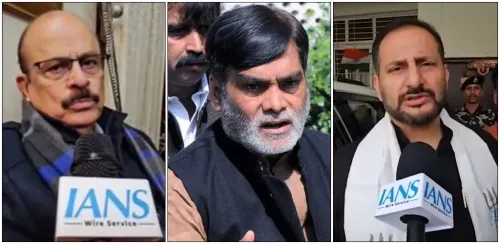
Three NCPI Lok Sabha MPs — Khalilur Rahaman , Abu Taher Khan , and Yusuf Pathan — wrote to Home Minister Amit Shah on 6 August 2025 .
The MPs flagged reports of police directing mosques in Murshidabad to remove loudspeakers and microphones.
They also raised concerns over a tribunal backlog for voters deleted from electoral rolls during the Special Intensive Revision (SIR) exercise.
The delay is reportedly blocking affected residents from passport verification, land registration, and welfare scheme access.
The MPs requested fast-tracking of pending cases by end of 2025 , additional tribunals if needed, and a formal grievance-monitoring mechanism.
All three MPs recently switched from TMC to NCPI , making their direct appeal to the BJP-led Centre politically significant.
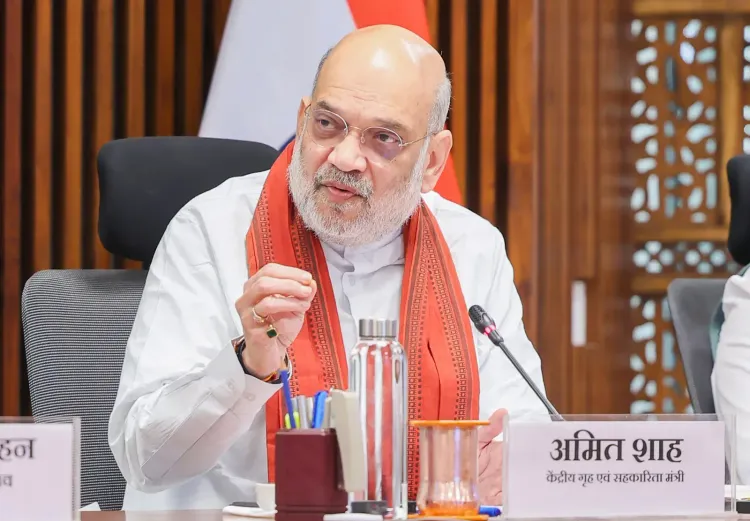
Three Lok Sabha members from the National Citizens' Party of India (NCPI) — formerly of the All India Trinamool Congress (TMC) — representing constituencies in the minority-dominated Murshidabad district of West Bengal, on Thursday, 6 August, wrote to Union Home Minister Amit Shah seeking his intervention on two pressing issues affecting the region.
The Two Issues at the Centre of the Letter
The first concern relates to reports that police authorities have been directing mosques in Murshidabad to remove loudspeakers and microphones. The second involves a large backlog of tribunal decisions on voters whose names were deleted from electoral rolls during the Special Intensive Revision (SIR) exercise conducted earlier this year — a delay that is reportedly affecting residents' access to passports, land registration, and government welfare schemes.
Who Wrote the Letter
The three NCPI MPs who addressed the letter to the Home Minister are Khalilur Rahaman from Jangipur constituency, Abu Taher Khan from Murshidabad constituency, and Yusuf Pathan from Baharampur constituency — a former cricketer who entered electoral politics.
What the MPs Said on the Mosque Issue
On the loudspeaker removals, the letter stated: 'Reports indicate that police authorities are directing mosques to remove microphones/loudspeakers. While fully respecting the law and the Hon'ble Supreme Court's directions on noise regulations, I request that appropriate instructions be issued to ensure fair, uniform, and sensitive implementation without hurting religious sentiments.'
The MPs stopped short of alleging illegality, instead calling for implementation that is consistent and considerate of community sentiment. This comes amid a broader national debate over noise regulation enforcement near places of worship, which critics argue has been applied unevenly across religious communities in several states.
Voter Roll Deletions and Tribunal Backlog
On the electoral roll issue, the three MPs claimed that a significant number of 'genuine' voters had their names struck off during the SIR exercise and are still awaiting tribunal rulings. The delay, they argued, is creating a cascading effect — blocking affected individuals from completing passport verifications, registering land transactions, and accessing welfare entitlements.
The MPs urged Home Minister Shah to fast-track all pending genuine cases and ensure the process is completed by the end of 2025. They also requested consideration of additional tribunals if required, and the creation of a formal grievance-monitoring mechanism. Notably, they called on the government to ensure that 'affected genuine citizens' are not denied essential public services while their tribunal cases remain pending.
Political Context
The three MPs' switch from the TMC to the NCPI adds a layer of political significance to the outreach. By writing directly to the Union Home Minister — a senior figure in the Bharatiya Janata Party (BJP)-led Centre — the MPs are signalling a willingness to engage with the federal government on state-level grievances, a notable departure from their previous party's posture toward the Centre. Murshidabad, which borders Bangladesh, has long been a politically sensitive district, and issues of voter rolls and minority community rights carry considerable electoral weight in the region.
Whether the Home Ministry responds formally to the letter, and on what timeline, will be closely watched by both communities and political observers in West Bengal.
Point of View
They are implicitly holding the Centre accountable for issues — mosque noise regulation and voter roll integrity — that are administratively intertwined between state police and central election machinery. The loudspeaker issue deserves scrutiny for consistency: if enforcement is selective by religion or geography, it is a legitimate grievance regardless of political affiliation. On the SIR voter deletions, the scale of the backlog in a single district points to a systemic capacity problem in the tribunal process — one that predates the MPs' party switch and demands a structural fix, not just political pressure.
NationPress
21 Sept 2026
Frequently Asked Questions
Why did three NCPI MPs write to Home Minister Amit Shah?
Three NCPI Lok Sabha MPs from Murshidabad district in West Bengal wrote to Home Minister Amit Shah on 6 August 2025 to seek intervention on two issues: reports of police directing mosques to remove loudspeakers, and a tribunal backlog affecting voters whose names were deleted during the Special Intensive Revision (SIR) exercise.
Who are the three NCPI MPs from Murshidabad?
The three MPs are Khalilur Rahaman (Jangipur constituency), Abu Taher Khan (Murshidabad constituency), and Yusuf Pathan (Baharampur constituency). All three were previously members of the Trinamool Congress (TMC) before joining the National Citizens' Party of India (NCPI).
What is the mosque loudspeaker issue in Murshidabad?
According to the MPs' letter, police authorities in Murshidabad have reportedly been directing mosques to remove microphones and loudspeakers. The MPs, while acknowledging Supreme Court directions on noise regulation, have asked the Home Minister to ensure implementation is fair, uniform, and sensitive to religious sentiments.
How does the voter roll deletion backlog affect residents?
A large number of voters whose names were removed during the Special Intensive Revision (SIR) are still awaiting tribunal decisions. According to the MPs, this delay is preventing affected individuals from completing passport verifications, registering land transactions, and accessing government welfare schemes.
What specific actions did the MPs request from the Home Minister?
The MPs requested fast-tracking of all pending tribunal cases by the end of 2025, consideration of setting up additional tribunals to handle the volume, creation of a grievance-monitoring mechanism, and assurance that affected citizens are not denied essential public services while their cases are pending.