Odisha CMO Pushes Blue Economy, Deep Sea Fishing Mission

Synopsis
The Chief Minister's Office of Odisha on 9 July 2026 declared top priority for the Blue Economy and marine resource protection, citing the Odisha Deep Sea Fishing Mission, a dedicated Blue Economy scheme, and modern fisheries infrastructure to boost coastal development and raise fisherfolk incomes.
Key Takeaways
The Chief Minister's Office of Odisha announced on 9 July 2026 that the Blue Economy and marine resource protection are the state government's top priorities.
Three instruments are cited: the Odisha Deep Sea Fishing Mission , a dedicated Blue Economy scheme , and modernised fisheries infrastructure.
The initiatives aim to raise incomes for coastal fisherfolk and develop maritime economic activity along the Bay of Bengal coastline.
The 'double engine' framing signals coordinated policy between the BJP-led Odisha government under CM Mohan Charan Majhi and the Union government .
The state's efforts align with the national Pradhan Mantri Matsya Sampada Yojana launched in 2020 and India's broader blue economy strategy.
Phased rollout of infrastructure projects across coastal districts is expected over the coming fiscal years.
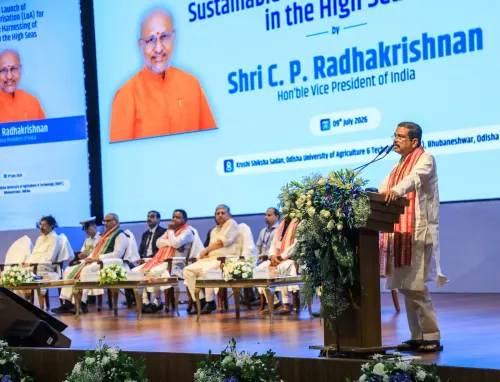
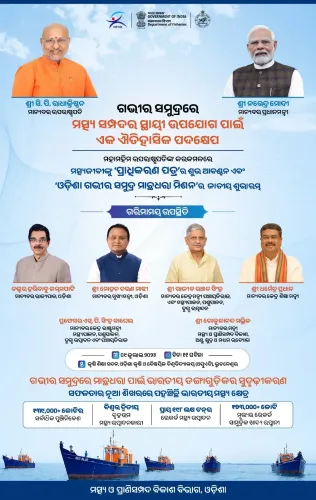
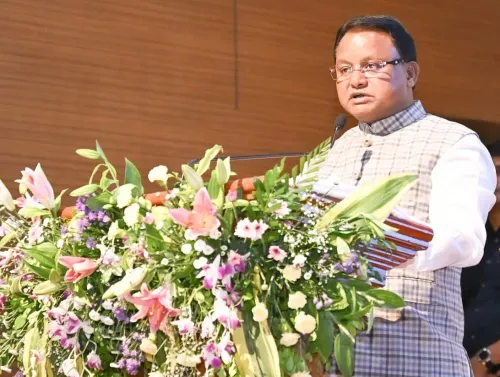
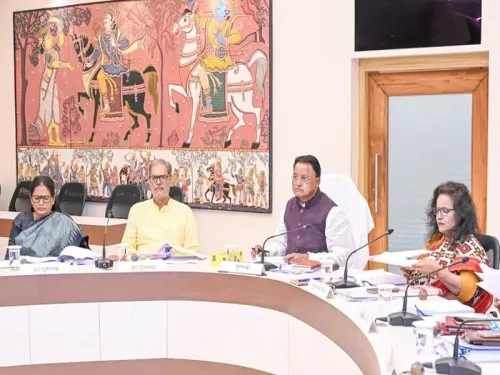
The Chief Minister's Office of Odisha on Thursday, 9 July 2026 announced that the state's 'double engine' government is according top priority to the development of the Blue Economy and the protection of marine resources, citing three flagship interventions: the Odisha Deep Sea Fishing Mission, a dedicated Blue Economy scheme, and modernised fisheries infrastructure across coastal districts.
The post, published in Odia, stated: 'ଡବଲ ଇଞ୍ଜିନ ସରକାରରେ ନୀଳ ଅର୍ଥନୀତିର ବିକାଶ ଏବଂ ସାମୁଦ୍ରିକ ସମ୍ପଦର ସୁରକ୍ଷାକୁ ମିଳୁଛି ସର୍ବୋଚ୍ଚ ପ୍ରାଥମିକତା' — 'In the double engine government, the development of the blue economy and the protection of marine resources are receiving the highest priority.' The statement added that these steps would strengthen coastal development, raise fisherfolk incomes, and power the broader maritime economy.
Context
Coastal Odisha stretches along the Bay of Bengal, encompassing several districts whose populations depend heavily on fishing and allied marine livelihoods. The state's coastline hosts large communities of traditional and small-scale fisherfolk who have historically lacked access to deep-sea fishing technology and modern landing infrastructure.
The term 'double engine government' — ḍabal iñjina sarakāra — refers to the alignment between the BJP-led Odisha state government under Chief Minister Mohan Charan Majhi and the Union government in New Delhi, a formulation the party has used since the mid-2010s to signal policy coordination between state and Centre.
Policy Backdrop
The Odisha Deep Sea Fishing Mission is a state-level initiative designed to expand deep-sea fishing capabilities and support sustainable use of marine resources beyond the near-shore zones where most traditional fishing currently occurs. Alongside it, the dedicated Blue Economy scheme provides a policy framework for sustainable development of ocean-based economic activities.
At the national level, the Pradhan Mantri Matsya Sampada Yojana, launched in 2020, has been the central government's primary vehicle for modernising fisheries infrastructure and increasing fish production across India. Odisha's state-level missions are positioned to complement and draw from this central scheme, reflecting the 'double engine' coordination the CMO highlighted.
India has pursued blue economy goals since the mid-2010s to harness its 7,500 km coastline for economic growth while managing sustainability pressures. Odisha's push fits within this broader national maritime strategy.
Stakeholders and Impact
The primary beneficiaries are coastal fisherfolk and marine economy workers in Odisha's Bay of Bengal districts. The government's stated goals include raising fisherfolk incomes, developing coastal-area infrastructure, and building a more self-reliant maritime economy — framed in the post as the vision of a 'samridha nila arthaniti, sashakta matsyajibee ebam atmanirvar Odisha' ('prosperous blue economy, empowered fisherfolk, and a self-reliant Odisha').
Modern fisheries infrastructure — including improved harbours, cold-chain facilities, and vessel support — is expected to reduce post-harvest losses and open export pathways for coastal communities that have traditionally operated at subsistence or small-commercial scale.
What's Next
The phased rollout of the Blue Economy scheme and associated fisheries infrastructure projects across coastal districts is expected to unfold over the coming fiscal years. How effectively the state translates these policy commitments into on-ground infrastructure and income gains for fisherfolk will be closely watched, particularly as Odisha seeks to position itself as a model for maritime-economy development among India's eastern coastal states.
Point of View
Ahead of a phased rollout that will test whether rhetoric translates into fisherfolk welfare. Odisha's move mirrors a wider eastern-coastal push to convert India's blue economy ambitions into state-level programmes with visible beneficiary impact. The emphasis on self-reliance and income growth for fisherfolk also tracks a pattern of welfare-linked economic messaging that has proved electorally significant in coastal constituencies. Execution timelines and budget disclosures will determine whether this becomes a model initiative or remains an aspirational framework.
NationPress
9 Jul 2026
Frequently Asked Questions
What is the Odisha Deep Sea Fishing Mission?
The Odisha Deep Sea Fishing Mission is a state government initiative to expand deep-sea fishing capabilities, support sustainable use of marine resources, and improve livelihoods for coastal fisherfolk beyond traditional near-shore fishing zones.
What does 'double engine government' mean in Odisha's context?
'Double engine government' refers to the political and policy alignment between the BJP-led Odisha state government under Chief Minister Mohan Charan Majhi and the BJP-led Union government in New Delhi, enabling coordinated implementation of schemes.
What is Odisha's Blue Economy scheme?
Odisha's Blue Economy scheme is a dedicated policy framework for the sustainable development of ocean-based economic activities, aimed at coastal development, fisheries modernisation, and growth of the maritime economy along the Bay of Bengal.
How does Odisha's fisheries push connect to the central government's schemes?
Odisha's state-level missions complement the Pradhan Mantri Matsya Sampada Yojana, launched in 2020, which is the Union government's primary programme for modernising fisheries infrastructure and increasing fish production across India.
Who benefits from Odisha's Blue Economy and fishing missions?
The primary beneficiaries are coastal fisherfolk and marine economy workers in Odisha's Bay of Bengal districts, who stand to gain from improved infrastructure, higher incomes, and expanded access to deep-sea fishing opportunities.