Odisha CMO: Relief, Road Clearance Underway After Cyclone
Synopsis
The Chief Minister's Office of Odisha has confirmed that post-cyclone recovery operations are in full swing, focusing on relief distribution, road clearance and restoration of essential services across affected areas, drawing on the state's decades-long disaster-management expertise.
Key Takeaways
The Chief Minister's Office of Odisha confirmed on 31 October 2026 that post-cyclone recovery operations are actively underway.
Three priority areas have been identified: relief material distribution , road clearance , and restoration of essential services in affected regions.
Odisha's response draws on the OSDMA , established after the 1999 super cyclone that killed over 10,000 people .
The state has a proven track record of large-scale evacuations and rapid relief, most notably during Cyclone Fani in 2019 .
Coastal residents and district administrations are the primary focus of ongoing government response.
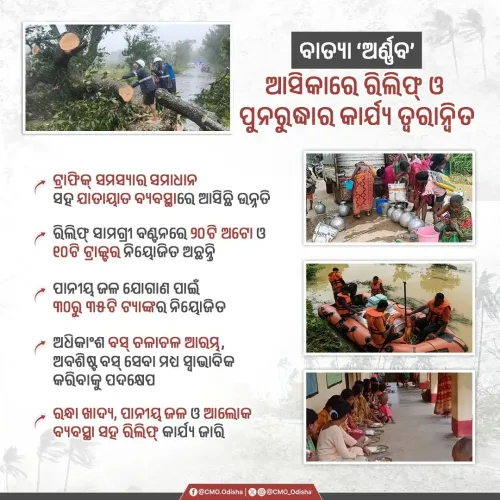
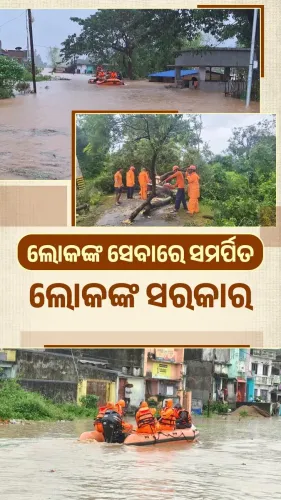
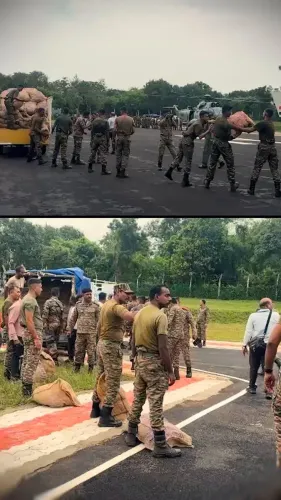
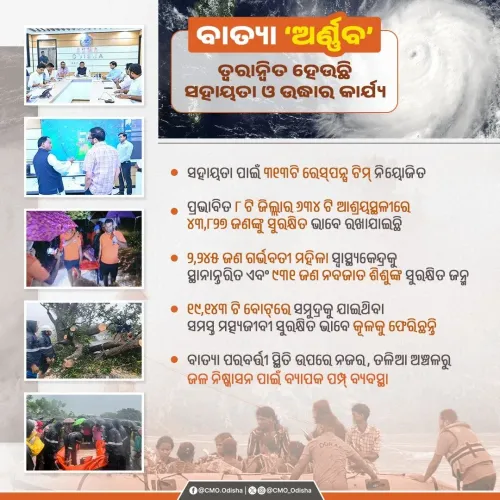
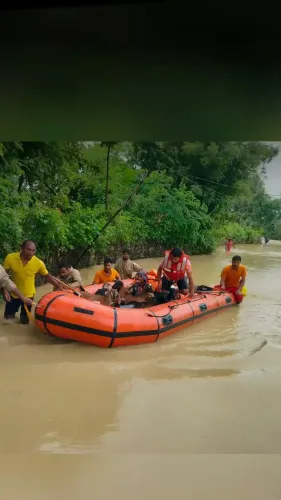
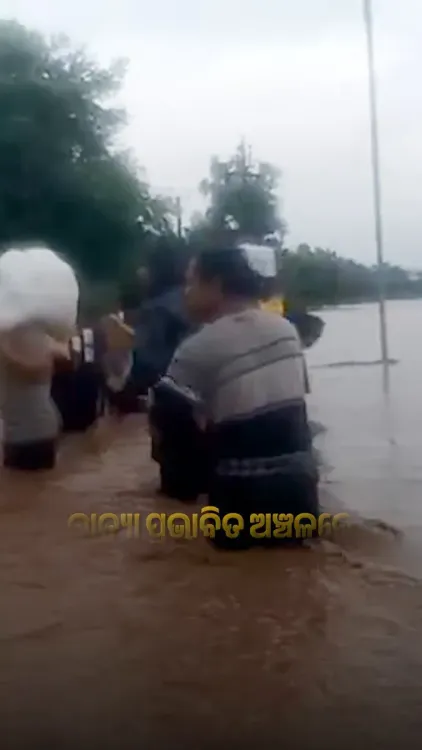
With a cyclone's fury now behind it, Odisha is in full recovery mode — and the state is moving fast. The Chief Minister's Office of Odisha confirmed on Saturday, 31 October 2026 that all-out efforts are underway to restore normal life across cyclone-hit areas, with relief distribution, road clearance and essential-services restoration designated as the top priorities.
The post, shared in Odia, states: 'ବାତ୍ୟା ପରବର୍ତ୍ତୀ ସ୍ଥିତିରେ ଜନଜୀବନକୁ ସ୍ୱାଭାବିକ କରିବା ଦିଗରେ ସମସ୍ତ ପ୍ରୟାସ ଜାରି ରହିଛି' — 'All efforts to restore normal life in the post-cyclone situation are continuing.' It specifically flags the distribution of relief materials in affected areas, clearing of roads, and restoration of essential services as the three core focus areas driving government action right now.
Odisha's Battle-Tested Relief Machine Kicks In
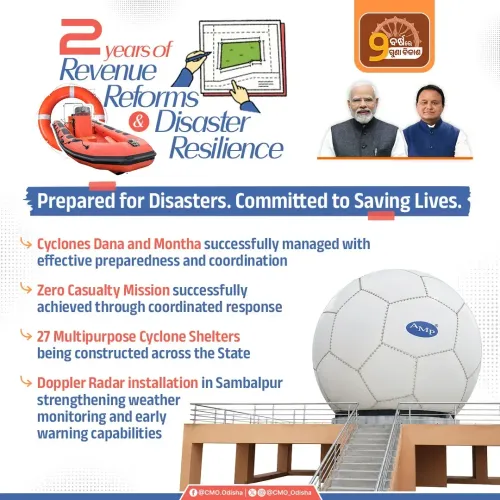
This is not new terrain for Odisha. Sitting squarely on the Bay of Bengal cyclone track, the state has spent over two decades building one of India's most practiced disaster-management systems. The turning point was the devastating 1999 super cyclone, which killed more than 10,000 people and forced a generational rethink of how coastal states handle extreme weather.
The state created the Odisha State Disaster Management Authority (OSDMA) in that cyclone's wake — a dedicated body that coordinates early warnings, mass evacuations and post-disaster relief operations. By the time Cyclone Fani tore through in 2019, the machinery was sharp enough to evacuate nearly 1.2 million people in under 48 hours, dramatically limiting casualties. The same institutional muscle is what the CMO's update signals is now engaged.
The Three-Front Push: Relief, Roads, Restoration
Post-cyclone recovery in Odisha typically runs on three simultaneous tracks, and the CMO's statement maps directly onto all three. First, relief material distribution to affected households — food packets, drinking water, tarpaulins — begins while debris is still settling. Second, road-clearance crews work to reopen arterial routes that allow relief vehicles, medical teams and repair workers to reach cut-off villages. Third, utilities restoration — power, water supply, communications — gets prioritised because every hour without electricity or clean water compounds the humanitarian toll.
Coastal residents and affected district administrations remain the primary stakeholders in this phase. The scale of districts still facing outages, the volume of relief distributed, and whether Odisha will seek additional central government assistance are the numbers to watch in the hours and days ahead.
Odisha has proven, more than once, that preparedness saves lives. Now the harder, slower work of putting communities back on their feet begins — and the state's record suggests it knows exactly how to do it.
Point of View
Publicly-communicated response reflects a deliberate state policy of institutional transparency during disasters — a practice honed since 1999 that has become a model for other Bay of Bengal states. The CMO's update signals that the government is managing both the physical recovery and the optics of competence simultaneously, which matters for public trust in high-stress situations. The three-pillar framing — relief, roads, restoration — mirrors the OSDMA's established post-storm protocol, suggesting the bureaucracy is running its playbook without friction. Whether that playbook meets the scale of this particular event will define the political and humanitarian verdict on this government's disaster readiness.
NationPress
1 Nov 2026
Frequently Asked Questions
What is the Odisha government doing after the cyclone?
The Chief Minister's Office of Odisha confirmed on 31 October 2026 that authorities are distributing relief materials, clearing roads and restoring essential services such as power and water in cyclone-affected areas.
What is OSDMA and what role does it play?
The Odisha State Disaster Management Authority (OSDMA) is a state-level body created after the 1999 super cyclone to coordinate disaster preparedness, early warnings, evacuations and post-storm relief operations across Odisha.
How has Odisha handled cyclones in the past?
Odisha has built one of India's most practiced disaster-management systems. During Cyclone Fani in 2019, the state evacuated nearly 1.2 million people in under 48 hours, dramatically reducing casualties compared to earlier storms.
Which areas of Odisha are affected by the cyclone?
The CMO's post references 'affected areas' broadly; specific districts have not been named in the official post, and verified details on landfall location are yet to be confirmed.
Will Odisha seek central government help for cyclone relief?
The CMO's update does not mention a formal request to the central government, but Odisha has precedent for seeking central assistance after major cyclones; any such request would depend on the assessed scale of damage.