Operation Tiger: Eknath Shinde poaches 6 Sena UBT MPs, reshapes Maharashtra politics
Synopsis
Eknath Shinde's 'Operation Tiger' has flipped six of nine Sena UBT Lok Sabha MPs, lifting his tally to 13 and matching Congress as Maharashtra's largest Lower House bloc. The move guts Uddhav Thackeray's hard-won 2024 gains and resets the MahaYuti's internal power balance — all timed to land at the opening of the monsoon legislative session.
Key Takeaways
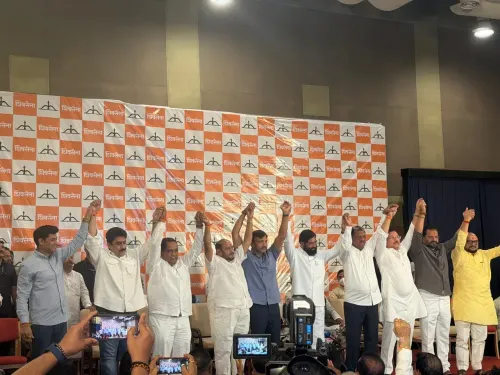
Six Sena (UBT) Lok Sabha MPs — Sanjay Jadhav , Bhausaheb Wakchaure , Sanjay Deshmukh , Nagesh Patil Ashtikar , Omraje Nimbalkar , and Sanjay Dina Patil — defected to Eknath Shinde's faction.
Shinde's Lok Sabha strength rises from 7 to 13 MPs , equalling Congress as Maharashtra's largest Lower House bloc.
Sena (UBT) is reduced to just 3 MPs , erasing most of its 2024 general election gains.
Home Minister Amit Shah acknowledged Shinde's consolidation of the Balasaheb Thackeray legacy at a rally in Kolhapur .
Shinde announced all six MPs will contest the 2029 elections on the bow and arrow symbol.
Uddhav Thackeray is expected to focus on grassroots cadre retention and elevating Aaditya Thackeray , Sanjay Raut , and Anil Desai as the party's second line.
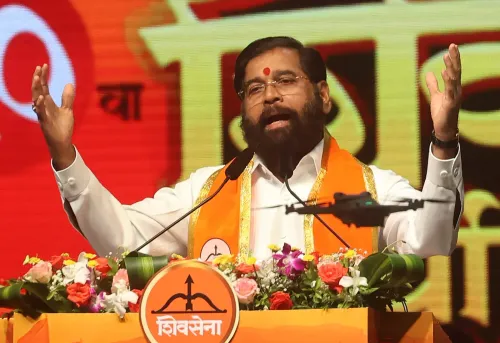
Eknath Shinde's 'Operation Tiger' has triggered one of the most consequential political realignments in Maharashtra since the 2022 Shiv Sena split, with six of nine Lok Sabha MPs from the Shiv Sena (Uddhav Balasaheb Thackeray) camp crossing over to Shinde's faction. The defections, formalised ahead of the state legislature's monsoon session, have reduced the Sena (UBT) to just three MPs in the Lower House and handed Shinde a dramatically strengthened hand within the ruling MahaYuti alliance.
The Six Who Crossed Over
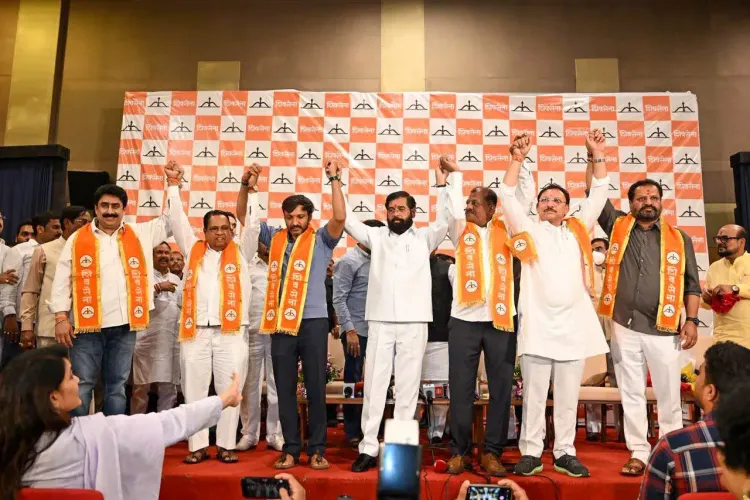
The defecting MPs — Sanjay Jadhav, Bhausaheb Wakchaure, Sanjay Deshmukh, Nagesh Patil Ashtikar, Omraje Nimbalkar, and Sanjay Dina Patil — had each won their seats in the 2024 general elections by defeating MahaYuti candidates, making their departure a particularly stinging reversal for Uddhav Thackeray. Shinde, describing the outcome as a political 'sixer', welcomed all six at a rally on Monday and announced they would contest future elections on the bow and arrow symbol.
What This Means for Shinde and MahaYuti
The operation lifts Shinde's Lok Sabha tally from 7 to 13 MPs, placing his party on equal footing with the Indian National Congress (Congress) as the largest legislative group from Maharashtra in the Lower House. This substantially improves his bargaining leverage within the MahaYuti against the Bharatiya Janata Party (BJP). Notably, Home Minister Amit Shah publicly acknowledged Shinde's consolidation of the Balasaheb Thackeray political legacy at a recent rally in Kolhapur district, a signal that the move carries endorsement at the highest levels of the alliance.
For Chief Minister Devendra Fadnavis, the timing is tactically significant — the defections were engineered right at the opening of the monsoon legislative session, shifting psychological momentum firmly back to the ruling alliance.
The Blow to Sena (UBT)
Since the 2022 split, the Sena (UBT) had built its political identity around the contrast between 'gaddars' (traitors) and 'imandaars' (loyalists). The latest exodus suggests that appeal is losing traction against the pull of political pragmatism. Statements by Omraje Nimbalkar pointed to a severe shortage of development funds in Opposition-held constituencies — exposing a structural weakness: without access to state or central power, sustaining grassroots leadership has become increasingly difficult for Thackeray's camp.
Shinde argued that the 'gaddar' narrative has repeatedly failed to resonate with voters, pointing to his faction's emergence as the second-largest political force in the state legislature since 2022, its gains in civic and local body elections, and its performance in the recently concluded Legislative Council polls.
Challenges Ahead for Shinde
While 'Operation Tiger' is an outright tactical win, the road ahead demands more than engineering defections. Shinde must now integrate six new MPs — and their local networks — with existing party cadres who, in many of these constituencies, actively campaigned against these very leaders in 2024. Resolving localised friction in regions such as Dharashiv, Hingoli, and Yavatmal will require rapid deployment of state development funds to demonstrate that switching sides delivers tangible results for voters ahead of 2029.
Uddhav Thackeray's Path Forward
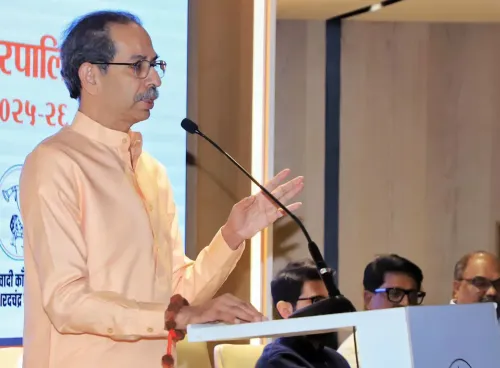
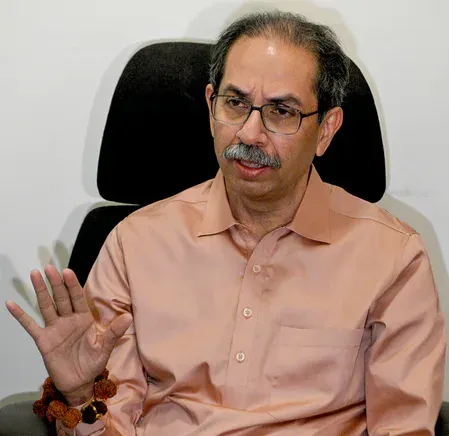
Speaking at a rally in Bhandup on Sunday, Thackeray argued that while senior leaders may defect, the party's strength rests with its grassroots Sainiks. The Sena (UBT) is expected to intensify cadre outreach and accelerate the rise of a second line of leaders — including Aaditya Thackeray, Sanjay Raut, and Anil Desai — to fill the organisational void in affected constituencies. Rebuilding the party network well ahead of upcoming local body and parliamentary elections will be central to any revival strategy. The durability of Shinde's realignment, and the resilience of Thackeray's rump organisation, will both be tested when Maharashtra returns to the polls.
Point of View
Yet the six defectors were elected precisely by defeating Shinde's own candidates — meaning their local party networks are now in direct competition with existing Shinde loyalists. The real stress test is not 2025 but 2029: can Shinde deliver enough development funding to Dharashiv, Hingoli, and Yavatmal to make the switch credible to voters, while simultaneously managing cadre resentment at the ground level? The 'gaddar vs imandaar' frame may be fading, but Thackeray's grassroots Sainiks have proven durable before. If the Sena (UBT) can hold its cadre and rebuild its second line, the numbers today may look very different by the next election cycle.
NationPress
23 Jun 2026
Frequently Asked Questions
What is 'Operation Tiger' in Maharashtra politics?
'Operation Tiger' is the name given to the political operation orchestrated by Eknath Shinde that resulted in six of nine Shiv Sena (UBT) Lok Sabha MPs defecting to his faction. The move was executed ahead of the Maharashtra state legislature's monsoon session and significantly altered the state's political balance.
Which MPs defected from Sena (UBT) to Shinde's faction?
The six defecting MPs are Sanjay Jadhav , Bhausaheb Wakchaure , Sanjay Deshmukh , Nagesh Patil Ashtikar , Omraje Nimbalkar , and Sanjay Dina Patil . All six had won their seats in the 2024 general elections by defeating MahaYuti candidates.
How does Operation Tiger affect Shinde's position in MahaYuti?
Shinde's Lok Sabha tally rises from 7 to 13 MPs , placing his party on equal footing with Congress as Maharashtra's largest Lower House bloc. This significantly improves his bargaining leverage within the MahaYuti alliance against the BJP , and consolidates his claim to the Balasaheb Thackeray political legacy.
What is the impact on Uddhav Thackeray's Shiv Sena (UBT)?
The defections reduce the Sena (UBT) to just three Lok Sabha MPs , erasing most of its hard-won gains from the 2024 general elections. The exodus also weakens the party's 'loyalist vs traitor' political narrative and exposes a structural funding disadvantage for Opposition-held constituencies.
What happens next for both parties ahead of 2029?
Shinde must integrate the six new MPs with existing cadres and fast-track development in constituencies like Dharashiv , Hingoli , and Yavatmal to justify the switch to voters. Thackeray's camp is expected to focus on grassroots cadre retention and elevating leaders such as Aaditya Thackeray , Sanjay Raut , and Anil Desai ahead of the 2029 elections .