Poverty in Pakistan Reaches 11-Year Peak Amid Economic Claims
Synopsis
Despite government claims of economic recovery, Pakistan faces an alarming rise in poverty to 29%. This 11-year high highlights significant income inequality and a troubling unemployment rate, creating a paradox of stability that feels more like suffocation for millions.
Key Takeaways
Poverty in Pakistan has surged to an 11-year high of 29%.
Income inequality is at levels unseen for nearly three decades.
Real household incomes are declining .
Unemployment rates have reached their highest point in over two decades.
The government's economic policies have led to increased burdens on lower-income families.
New Delhi, Feb 23 (NationPress) Despite the Pakistan government's assertions of an economic recovery, the stark truth reveals a rise in poverty to a staggering 29 percent, marking an 11-year high and creating income disparities not seen for nearly three decades, as reported by Pakistani media sources.
The Lahore-based publication, The Friday Times, highlights that real household incomes have diminished and unemployment has reached a 21-year high. For countless families, the term "stability" is indistinguishable from hardship.
"This isn’t a contradiction. It encapsulates the central paradox of Pakistan’s economic situation. The nation has stabilized, yet it has not healed," the article elaborated.
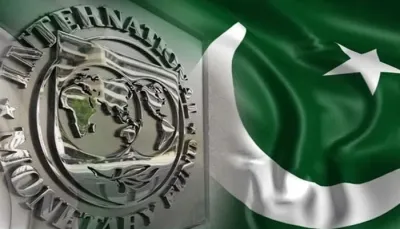
The IMF program enforced discipline where domestic politics repeatedly faltered. This led to subsidy reductions, increased energy prices, and tightened monetary policies, which, while slowing the economic decline, have not led to true recovery.
"However, stabilization is not synonymous with recovery. It represents emergency measures, not rehabilitation," the report emphasized.
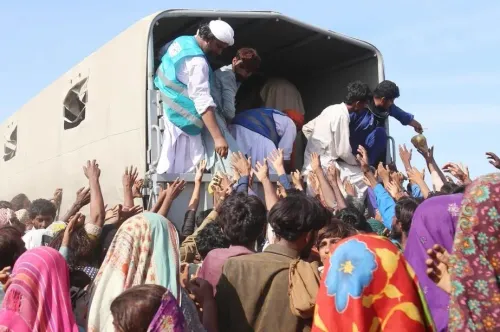
The piece pointed out that the withdrawal of subsidies and rising indirect taxes do not impact everyone equally; lower-middle-income households, daily wage laborers, and small business owners bear the brunt of these changes. While inflation may now be "contained," the scars of the previous surge remain deeply ingrained in daily existence. Basic necessities such as food, electricity, and fuel have transformed into luxuries, with wages failing to keep pace.
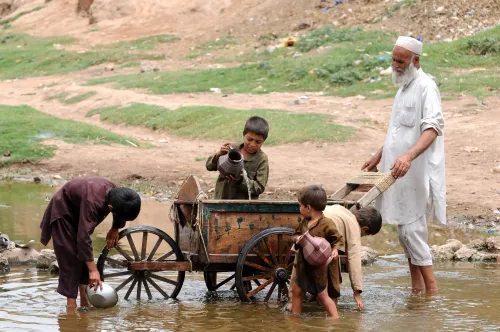
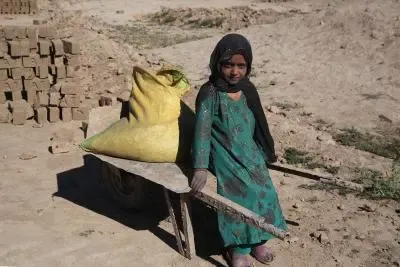
The implications are stark in the poverty statistics: approximately seventy million people are now officially categorized as living below the poverty line. In rural areas, over one-third of the population struggles to fulfill basic needs, with nearly half in Balochistan facing similar challenges. This isn’t mere cyclical discomfort; it signifies a profound structural decline.
Planning Minister Ahsan Iqbal has acknowledged that stabilization strategies contributed to the rise in poverty levels. Fiscal tightening and currency depreciation are blunt instruments; they may restore balance sheets but simultaneously burden households, the article noted.
However, blaming the IMF solely overlooks a broader reality. Pakistan’s vulnerabilities predate this program; they are the result of decades of neglect. Successive governments, both civilian and military, have opted for short-term fixes over genuine reform. They have favored the compliant over broadening the tax base, perpetuated inefficiency by subsidizing loss-making state enterprises, and relied on transient consumption surges instead of investing in sustainable export competitiveness, the article lamented.
Point of View
It’s crucial to highlight the stark contrast between government claims and the reality on the ground. The rise in poverty and income inequality underscores a systemic failure that demands immediate attention and reform, prioritizing the well-being of citizens over political expediency.
NationPress
13 Oct 2026
Frequently Asked Questions
What is the current poverty level in Pakistan?
Pakistan's poverty level has reached 29%, the highest in 11 years.
How does income inequality in Pakistan compare to previous decades?
Income inequality has reached levels not seen in nearly three decades.
What are the main factors contributing to rising poverty in Pakistan?
Factors include subsidy cuts, increased energy prices, and a lack of effective economic reforms.
What percentage of the Pakistani population lives below the poverty line?
Approximately seventy million people, or about 29% of the population, live below the poverty line.
How has unemployment changed in Pakistan recently?
Unemployment has surged to a 21-year high.