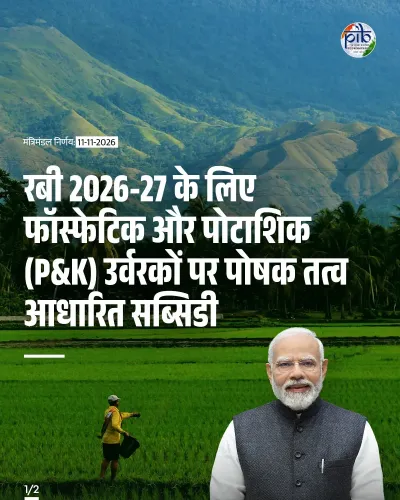
PM Modi approves NBS fertilizer subsidy for Rabi 2026-27
Synopsis
The Cabinet has approved the Nutrient Based Subsidy on fertilizers for Rabi 2026-27, PM Modi announced on November 11, 2026. The move shields Indian farmers from global price swings, ensuring affordable fertilizer supply through the critical winter sowing season.
Key Takeaways
The Cabinet approved the Nutrient Based Subsidy (NBS) on fertilizers for the Rabi season 2026-27 on November 11, 2026 .
The NBS framework, in place since 2010 , links subsidies to nutrient content (N, P, K, S) rather than product-specific prices.
The approval insulates farmers from international fertilizer price volatility , keeping farm-gate prices stable through the sowing window.
The Rabi season (October–March) covers critical crops including wheat and mustard that underpin India's winter foodgrain output.
State cooperatives and private dealers are expected to implement the approved NBS rates as sowing intensifies through November and December.
India's farmers head into the winter sowing season with one less worry: the government has approved the Nutrient Based Subsidy (NBS) on fertilizers for the Rabi season 2026-27, shielding cultivators from the whipsaw of international commodity prices. Prime Minister Narendra Modi announced the Cabinet decision on Wednesday, November 11, 2026, framing it as a direct fulfilment of the government's first-order commitment to the country's food producers.
Posting in Hindi, the Prime Minister said: 'The annadata [food givers] of the country have always been our first priority. Even amid difficult global conditions, we are leaving no stone unturned to ease their lives.' The approval, he added, ensures that fluctuations in international fertilizer prices will have no impact on farmers, who will continue to receive inputs at affordable and fair prices.
What the NBS scheme does — and why it matters this Rabi
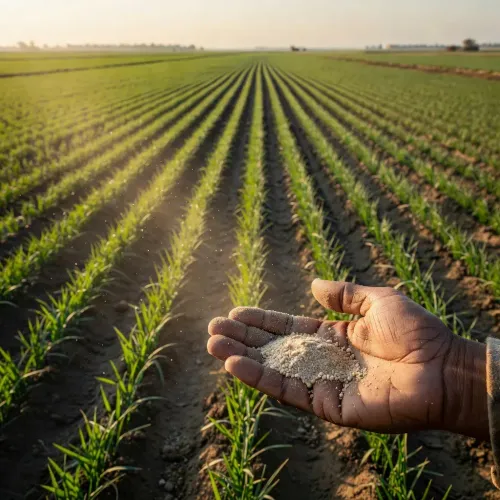
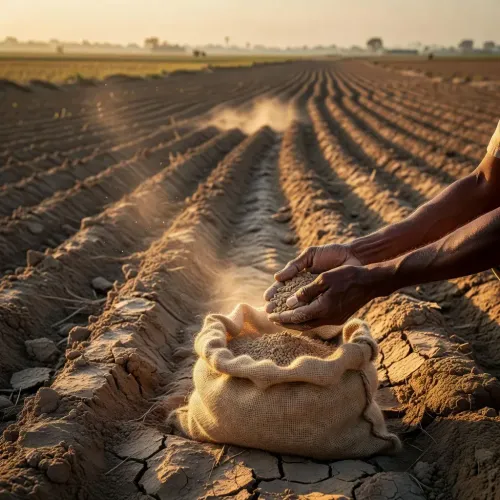
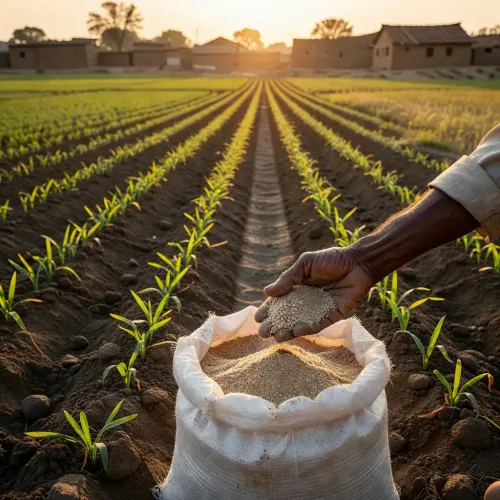
Introduced in 2010, the Nutrient Based Subsidy framework replaced an older product-specific regime with a smarter model: subsidies are pegged to the actual nutrient content — nitrogen (N), phosphorus (P), potassium (K) and sulphur (S) — in each fertilizer bag. The result is that manufacturers and importers receive a fixed per-kilogram subsidy on each nutrient, while farmers buy bags at government-approved prices that do not spike when global markets do. That insulation matters enormously right now. Global fertilizer markets have remained volatile in the wake of energy-cost pressures and supply-chain disruptions, with urea and di-ammonium phosphate prices continuing to swing on international exchanges. Without the NBS firewall, those swings translate directly into higher input costs for smallholders who have little pricing power of their own.Rabi stakes: wheat, mustard and winter foodgrain security
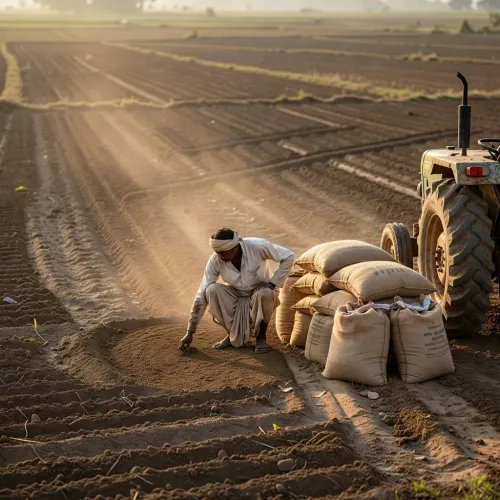
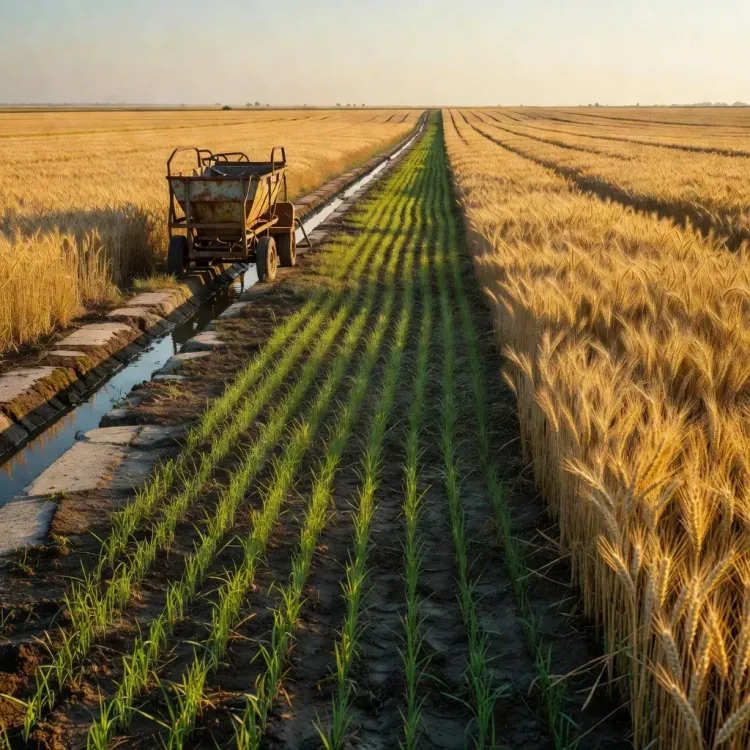
The Rabi season runs from October through March and anchors India's production of wheat, mustard, chickpeas and other winter staples. Timely and affordable fertilizer availability at the onset of sowing — which begins in earnest through November and December — directly influences yield outcomes and, ultimately, domestic food prices. Any disruption to supply chains or a price spike during this window cascades through the entire crop cycle. State cooperatives and private dealers are now expected to operationalise the approved NBS rates across distribution networks in the coming weeks, with monitoring of fertilizer stock positions a key administrative priority through the sowing period. For the millions of farming households who depend on a successful Rabi harvest, Wednesday's decision is less a headline than a foundation — the quiet policy scaffolding that lets a seed become a crop.Point of View
' PM Modi is signalling that the government will absorb international commodity shocks rather than pass them onto farmers — a stance that carries both genuine welfare logic and electoral arithmetic ahead of multiple state polls. The persistence of the NBS framework across governments also reflects its technical durability; the nutrient-linked model is widely regarded as more efficient than the flat product subsidies it replaced. The key unresolved question is whether the rates approved are adequate to fully offset current market prices or whether they leave a residual gap that dealers informally pass on.
NationPress
11 Nov 2026
Frequently Asked Questions
What is the Nutrient Based Subsidy (NBS) scheme in India?
The Nutrient Based Subsidy scheme, launched in 2010, provides fertilizer subsidies based on the nutrient content (N, P, K, S) of each product rather than a fixed per-bag amount, encouraging balanced fertilizer use and insulating farmers from global price changes.
Why was the NBS approved specifically for Rabi 2026-27?
The Cabinet approved NBS rates for the Rabi 2026-27 season to ensure that farmers sowing winter crops like wheat and mustard can access fertilizers at affordable prices despite ongoing volatility in international fertilizer markets.
Who benefits from the fertilizer NBS approval?
Indian farmers — particularly smallholders growing Rabi crops such as wheat, mustard and chickpeas — directly benefit by receiving fertilizers at stable, government-subsidised prices rather than being exposed to international commodity price swings.
What crops are grown in the Rabi season in India?
The Rabi season, running from October to March, covers major crops including wheat, mustard, barley, chickpeas (gram) and lentils, which together form a large part of India's annual foodgrain and oilseed output.
How does the NBS scheme differ from the old fertilizer subsidy system?
The earlier system gave flat per-bag subsidies on specific products regardless of nutrient content. NBS replaced this with per-kilogram nutrient subsidies, which encourages balanced fertilization and gives manufacturers flexibility while keeping farm-gate prices controlled.