Project Hawk Eye: Amarnath Yatra 2026 gets 416 cameras, drones, snipers
Synopsis
Anantnag Police have deployed what may be the most technologically intensive security cover in the Amarnath Yatra's recent history — 416 CCTV cameras, a facial recognition system, 5 drones, 28 vantage posts, and 22 sniper teams, all under a single command framework called Project Hawk Eye. It signals a clear shift from manpower-heavy to tech-first security doctrine for India's high-stakes Himalayan pilgrimage.
Key Takeaways
Anantnag Police launched Project Hawk Eye on 25 June for Shri Amarnath Ji Yatra 2026 (SANJY-2026) .
416 high-resolution CCTV cameras and a Facial Recognition System (FRS) have been installed at critical points along the Yatra route.
Five drones are deployed for real-time aerial surveillance and rapid threat assessment.
28 Machan Morchas (vantage observation posts) have been set up at vulnerable and sensitive locations.
22 specially trained sniper teams are positioned at designated points to reinforce response preparedness.
Authorities have urged pilgrims to cooperate with security personnel and report any suspicious activity immediately.
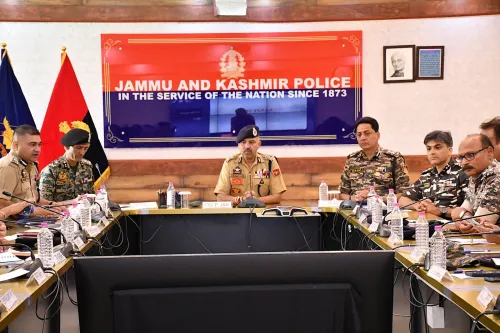
Anantnag Police in Jammu and Kashmir have launched Project Hawk Eye, a comprehensive technology-backed surveillance and security framework for the Shri Amarnath Ji Yatra 2026 (SANJY-2026), officials announced on Thursday, 25 June. The initiative integrates aerial drones, facial recognition systems, sniper teams, and hundreds of CCTV cameras to provide round-the-clock coverage across the entire pilgrimage route.
What Project Hawk Eye Covers
At its core, the project deploys a multi-layered surveillance grid combining advanced technology with strategic manpower. Five drones have been positioned at key locations along the Yatra route to deliver real-time aerial monitoring and situational awareness, enabling rapid assessment of any emerging threat and facilitating prompt ground response.
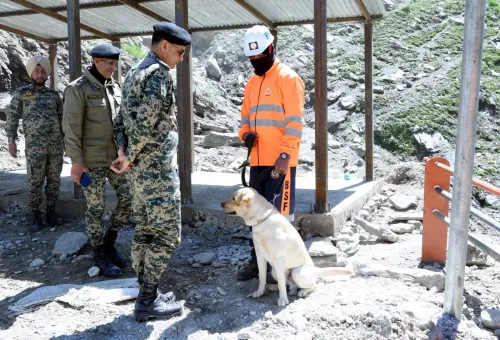
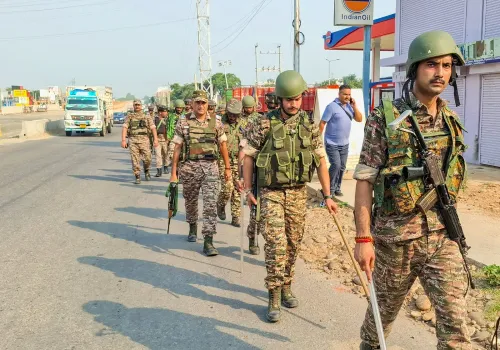
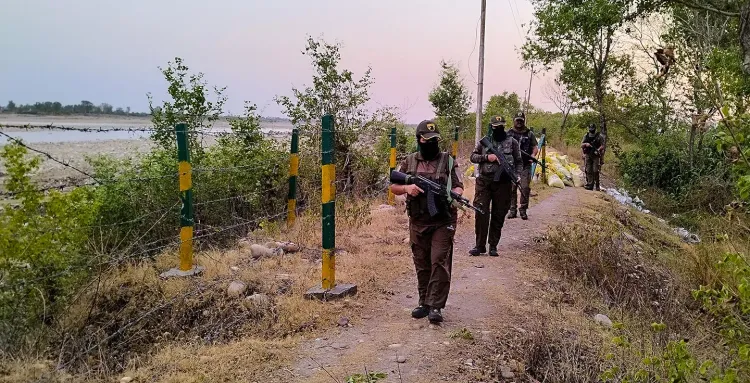
On the ground, 28 'Machan Morchas' — strategically placed vantage observation posts — have been established at vulnerable and sensitive points to strengthen area domination and observation capabilities. These posts complement the aerial network, ensuring no blind spots along the route.
Sniper Teams and Camera Infrastructure
Twenty-two specially trained sniper teams have been deployed at designated positions to reinforce the security architecture and ensure effective response preparedness. Alongside them, 416 high-resolution CCTV cameras and a Facial Recognition System (FRS) infrastructure have been installed at critical locations, providing continuous real-time monitoring and assisting in the timely identification of suspicious movements or individuals.
'Its objective is to provide comprehensive surveillance and security initiatives aimed at maintaining round-the-clock vigilance from the sky to the ground along the entire Yatra route,' officials said.
The Significance of the Setup
The Amarnath Yatra, one of India's most prominent Hindu pilgrimages, draws hundreds of thousands of devotees annually to the high-altitude shrine in the Himalayas. The route passes through terrain that has historically posed both logistical and security challenges. This year's deployment represents one of the most technologically intensive security arrangements for the pilgrimage to date.
Notably, the integration of facial recognition with a dense CCTV network marks a significant upgrade from prior years, when surveillance relied more heavily on physical manpower. The FRS infrastructure, in particular, is designed to flag individuals against security watchlists in real time.
What Anantnag Police Said
'Through Project Hawk Eye, Anantnag Police have effectively positioned their eyes in the sky and on the ground, creating a seamless surveillance network that ensures comprehensive monitoring of the pilgrimage route,' officials stated. They added that the initiative 'reflects the commitment of Anantnag Police towards leveraging modern technology and professional policing practices to provide a secure environment for all pilgrims.'
Officials also urged pilgrims and the public to cooperate with security personnel and to immediately report any suspicious activity to the nearest police establishment. Anantnag Police reaffirmed their commitment to the 'smooth and successful conduct of SANJY-2026.'
What Pilgrims Should Know
Devotees undertaking the SANJY-2026 pilgrimage can expect visible security checkpoints, overhead drone activity, and camera coverage throughout the route. Cooperation with personnel at these points is being actively sought by authorities. As the yatra season progresses, security deployments may be adjusted based on ground intelligence and evolving threat assessments.
Point of View
Narrow passes, unpredictable weather — adds operational complexity that no camera grid can fully mitigate. The true measure of Project Hawk Eye will be response time, not sensor count.
NationPress
24 Sept 2026
Frequently Asked Questions
What is Project Hawk Eye for Amarnath Yatra 2026?
Project Hawk Eye is a technology-backed security and surveillance initiative launched by Anantnag Police for the Shri Amarnath Ji Yatra 2026 (SANJY-2026). It combines drones, CCTV cameras, facial recognition, sniper teams, and vantage observation posts to provide round-the-clock security across the entire pilgrimage route.
How many CCTV cameras have been deployed under Project Hawk Eye?
A total of 416 high-resolution CCTV cameras have been installed at critical locations along the Amarnath Yatra route, supported by a Facial Recognition System (FRS) to assist in real-time identification of suspicious individuals.
What aerial surveillance is in place for SANJY-2026?
Five drones have been deployed at key locations along the Yatra route, providing real-time aerial monitoring and situational awareness. The aerial network is designed to enable quick threat assessment and facilitate prompt response by ground units.
How many sniper teams are deployed for Amarnath Yatra 2026?
Twenty-two specially trained sniper teams have been deployed at designated points along the route to reinforce the security architecture and ensure effective response preparedness.
What should Amarnath Yatra pilgrims do if they spot suspicious activity?
Anantnag Police have urged all pilgrims and members of the public to cooperate with security personnel and immediately report any suspicious activity to the nearest police establishment for prompt action.