Rajasthan raises human-wildlife conflict compensation to ₹10 lakh
Synopsis
Rajasthan has doubled down on wildlife coexistence policy: families of human-wildlife conflict victims will now receive ₹10 lakh in compensation, as the state also pushes vaccination drives inside Sariska Tiger Reserve — where 29 villages sit within the core area — and targets a dedicated wildlife veterinarian cadre. The announcement came at a World Bank-IBCA workshop that brought together officials from 10 states.
Key Takeaways
Rajasthan has increased human-wildlife conflict compensation to ₹10 lakh per family, announced on 18 November 2026 .
Minister Sanjay Sharma made the announcement at a three-day One Health workshop in Jaipur , jointly organised by the IBCA and the World Bank .
29 villages are located within the core area of Sariska Tiger Reserve , raising disease transmission and conflict risks.
Dog and livestock vaccination drives are being launched in and around Sariska to prevent disease spillover.
Sariska's tiger population has recovered from effectively zero in 2004 to 58 tigers today.
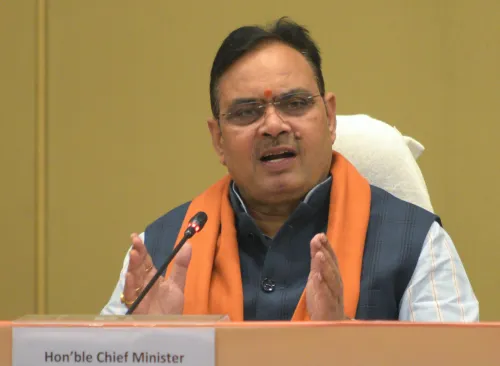
Chief Minister Bhajanlal Sharma has announced wildlife rescue centres in forest areas and specialised centres within tiger reserves.
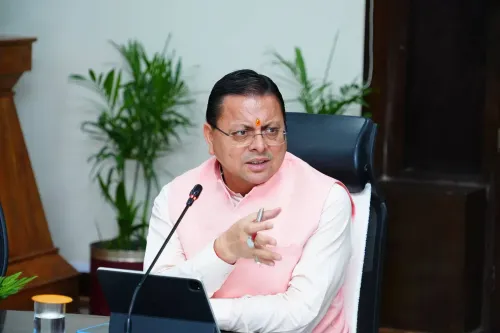
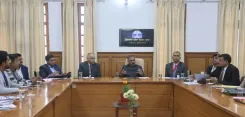
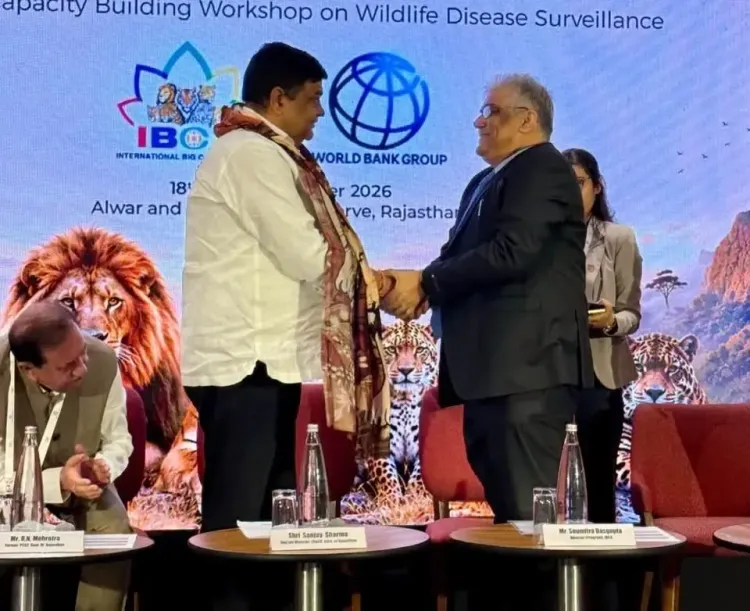
Rajasthan Forest and Environment Minister of State (Independent Charge) Sanjay Sharma on Wednesday, 18 November 2026, announced that compensation paid to families of victims of human-wildlife conflict has been increased to ₹10 lakh. The announcement was made in Jaipur at a three-day national workshop on 'One Health' and wildlife disease surveillance, jointly organised by the International Big Cat Alliance (IBCA) and the World Bank at Hotel Sarovar Premiere.
Key Announcement on Compensation
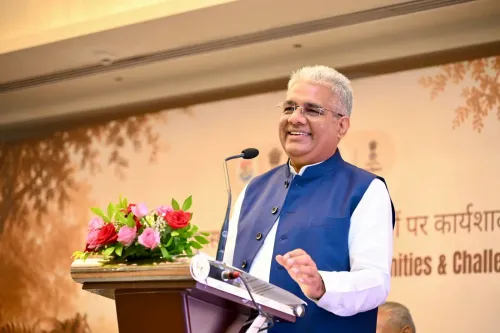
The enhanced compensation of ₹10 lakh marks a significant revision in the state's approach to addressing the growing friction between human settlements and wildlife. Minister Sharma said the move was part of broader efforts being pursued under the leadership of Union Environment, Forest and Climate Change Minister Bhupender Yadav, who he credited with driving forest and wildlife conservation with 'firm commitment and dedication.'
The revision is particularly significant given that 29 villages are located within the core area of the Sariska Tiger Reserve alone — a situation that inherently elevates the risk of dangerous encounters between local populations and wildlife.
One Health Approach and Disease Surveillance
Minister Sharma underscored that human, livestock, wildlife and environmental health are deeply interconnected, making the One Health framework essential to sustainable coexistence. He highlighted an ongoing initiative to vaccinate dogs within the reserve and surrounding villages against diseases such as Canine Distemper. In coordination with the Animal Husbandry Department, vaccination drives for livestock and dogs are also being planned for villages bordering the tiger reserve.
The Forest, Animal Husbandry, and Health departments are set to strengthen inter-departmental coordination to prevent disease transmission across the wildlife-livestock-human interface. This comes amid growing global concern about zoonotic disease spillovers, which the COVID-19 pandemic sharply underscored.
Sariska Tiger Reserve: A Conservation Turnaround
Sharma highlighted one of Rajasthan's most striking conservation stories: Sariska Tiger Reserve, which had effectively reached a tiger population of zero around 2004. Sustained monitoring and Forest Department intervention have since restored the count to 58 tigers — adults and cubs combined — with numbers still growing. Notably, this recovery is considered one of India's more remarkable rewilding achievements.
The minister also proposed the creation of a dedicated cadre of wildlife veterinarians for tiger reserves and the expansion of internship and research opportunities for students of veterinary medicine and wildlife science.
Great Indian Bustard Conservation and Wildlife Rescue Centres
Sharma noted that Rajasthan has decided to observe 21 May as Great Indian Bustard Day in recognition of conservation efforts for the critically endangered bird, which is the state bird of Rajasthan. Chief Minister Bhajanlal Sharma has also announced the establishment of wildlife rescue centres in forest areas and specialised wildlife centres within tiger reserves.
Workshop Participation and Upcoming Sessions
Retired Principal Chief Conservator of Forests and former Chief Wildlife Warden R.N. Mehrotra stressed the importance of timely wildlife disease identification, scientific monitoring and inter-departmental coordination. Soumitra Das outlined the IBCA's activities, while Dr Anupam Joshi highlighted the World Bank's support for the One Health initiative. Chief Wildlife Warden K.C.A. Arun Prasad called for strengthening Rajasthan's wildlife health and veterinary infrastructure.
Chief Conservator of Forests Sangram Singh Katihar confirmed that participants from 10 states are attending, including Deputy Conservators of Forests, wildlife veterinarians, and members of the Sariska Tiger Reserve team. Technical sessions on 19 November will feature experts from the Global Tiger Forum, National One Health Mission, Wildlife Institute of India, and the Ministry of Environment, Forest and Climate Change, covering emerging pathogens, disease surveillance, and the human-livestock-wildlife interface.
On 20 November, participants will undertake practical field sessions at Sariska, including biological sample collection, biosafety protocols, remote biopsy of large felids, and forensic evidence collection in suspected poaching and poisoning cases. The three-day workshop concludes on 20 November.
Point of View
But it addresses the symptom rather than the structural tension: 29 villages inside Sariska's core zone is a land-use problem that no payout fully resolves. The One Health framework is the more durable intervention — linking wildlife health, livestock health, and public health in a single surveillance system is precisely what India needs as zoonotic risk rises. The Sariska recovery story, from zero tigers in 2004 to 58 today, is genuine and deserves wider recognition, but it also raises the stakes: a denser tiger population adjacent to dense human settlement requires a veterinary and conflict-management infrastructure that the state is only now beginning to build.
NationPress
18 Nov 2026
Frequently Asked Questions
What is the new compensation for human-wildlife conflict victims in Rajasthan?
Rajasthan has increased the compensation for families of people who lose their lives in human-wildlife conflicts to ₹10 lakh. The revision was announced by Forest and Environment Minister Sanjay Sharma on 18 November 2026 at a national workshop in Jaipur.
What is the One Health approach and why is Rajasthan adopting it?
The One Health approach recognises that human, livestock, wildlife and environmental health are interconnected and must be managed together. Rajasthan is adopting it because 29 villages lie within the core area of Sariska Tiger Reserve, creating a high-risk interface where diseases can spread between wildlife, animals and people.
How many tigers does Sariska Tiger Reserve have today?
Sariska Tiger Reserve currently has 58 tigers, including adults and cubs, according to Rajasthan's Forest Department. The reserve had effectively no tigers around 2004 before sustained conservation and monitoring efforts brought the population back.
Who organised the One Health workshop in Jaipur?
The three-day national workshop on One Health and wildlife disease surveillance was jointly organised by the International Big Cat Alliance (IBCA) and the World Bank at Hotel Sarovar Premiere in Jaipur. Officials from 10 states are attending.
What wildlife welfare steps has Chief Minister Bhajanlal Sharma announced?
Chief Minister Bhajanlal Sharma has announced the establishment of wildlife rescue centres in forest areas and specialised wildlife centres within tiger reserves. The state has also decided to observe 21 May as Great Indian Bustard Day to highlight conservation of Rajasthan's critically endangered state bird.