CM Vishnu Deo Sai Pushes Nano Urea, DAP Adoption in Chhattisgarh
Synopsis
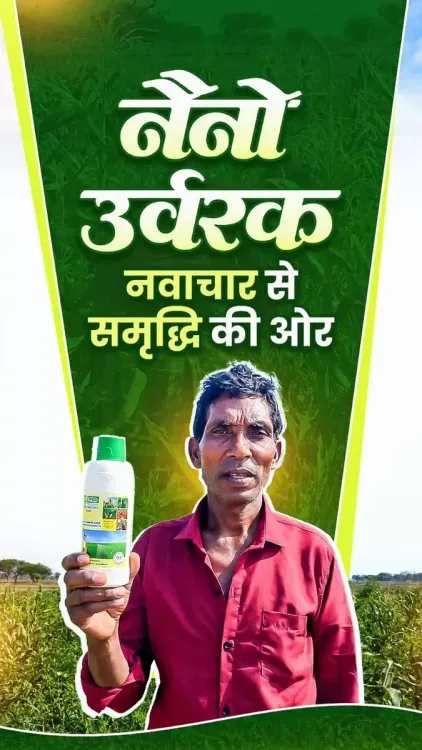
Chhattisgarh Chief Minister Vishnu Deo Sai spotlighted a Sarguja farmer's switch to nano urea and nano DAP, saying input costs have fallen and yields improved. The state government, he said, is expanding nano fertilizer availability to push scientific, sustainable agriculture and deliver higher returns at lower cost to farmers.
Key Takeaways
CM Vishnu Deo Sai cited Sarguja farmer Parshuram Rajwade on benefits of nano urea and nano DAP.
Farmer reported lower fertilizer costs and improved crop outcomes after switching to nano variants.
State government is expanding availability of nano fertilizers across Chhattisgarh.
Nano urea was commercially launched by IFFCO in 2021; nano DAP followed as part of the rollout.
Initiative aligns with national push to cut fertilizer imports and subsidy expenditure.
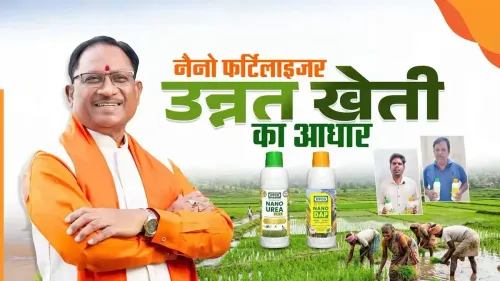
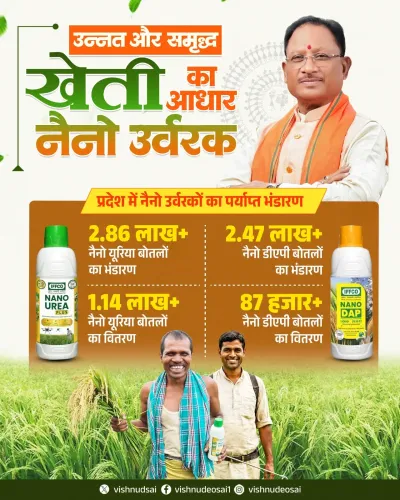
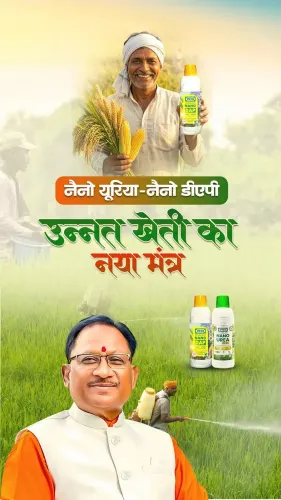
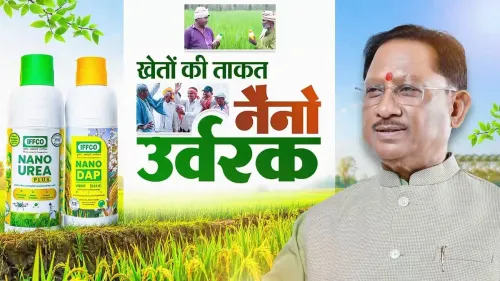
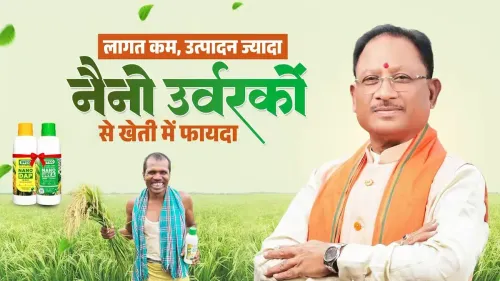
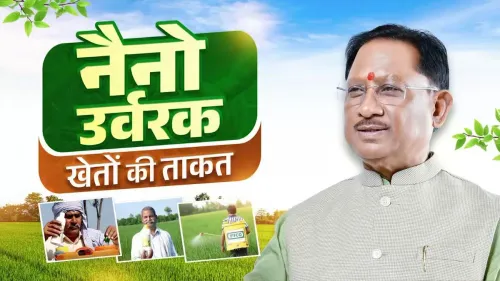
Chhattisgarh Chief Minister Vishnu Deo Sai on Tuesday highlighted the growing adoption of nano fertilizers among farmers in the state, citing the experience of a cultivator from Sarguja who reported lower input costs and improved yields. In a post on X, the chief minister said his government is actively expanding the availability of nano urea and nano DAP to nudge farmers toward scientific and sustainable agriculture.
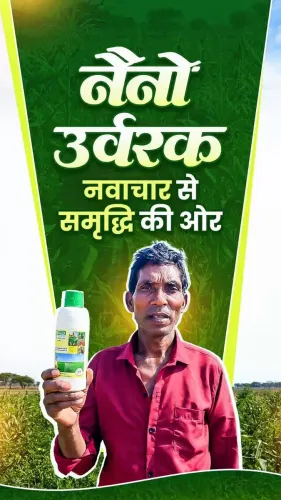
Quoting Parshuram Rajwade, a farmer from Sarguja, the chief minister wrote 'Earlier, a lot was spent on fertilizers in farming, but now with the use of nano urea and nano DAP, costs have come down and the crop is better.' Sai added that his administration is encouraging farmers toward scientific and sustainable cultivation by increasing the availability of nano fertilizers, with the aim of achieving 'higher returns at lower cost and prosperous farming'.
Context
Sai, a senior BJP leader, has been chief minister of Chhattisgarh since December 2023. Agricultural cost reduction and tribal-belt outreach have been recurring themes of his administration, given the state's heavy dependence on paddy cultivation and a large rural workforce.
Sarguja, located in northern Chhattisgarh, is a predominantly tribal district where farming remains the principal livelihood. Highlighting a beneficiary from this region signals the government's intent to showcase outcomes from areas that have historically faced extension-service gaps.
Policy backdrop
Nano urea, a liquid fertilizer that uses nanotechnology to deliver nitrogen more efficiently, was commercially launched by fertilizer cooperative IFFCO in 2021. From 2022 onward, the central government began routing nano urea through cooperative channels to states including Chhattisgarh as part of a broader push to cut conventional urea consumption.
The rationale is two-fold: reducing India's heavy dependence on imported fertilizer raw materials, and trimming the Centre's fertilizer subsidy bill, which has run into lakhs of crores in recent years. Nano DAP, the di-ammonium phosphate variant, was subsequently rolled out as the next step in this transition toward precision nutrient management.
Stakeholders and impact
The primary stakeholders are Chhattisgarh's farmers, particularly smallholders in tribal districts where input costs cut deeply into thin margins. A bottle of nano urea is designed to substitute a conventional bag, lowering transport, storage and application costs at the farm gate.
For the state government, wider adoption helps align Chhattisgarh with national targets on sustainable agriculture while strengthening the BJP's outreach to the agrarian vote base ahead of subsequent electoral cycles. Cooperative bodies and agriculture extension officers are central to last-mile delivery and farmer training.
What's next
Attention will turn to state-level procurement and distribution targets for nano urea and nano DAP in the coming Kharif season, and to any fresh agreements between the Chhattisgarh government and IFFCO on supply volumes. Independent assessments of yield and cost outcomes at the farm level will be key to determining whether testimonials like Rajwade's translate into a broader shift in the state's fertilizer mix.
If adoption scales, Chhattisgarh could emerge as a template for other paddy-heavy states attempting to wean farmers off conventional urea while protecting yields.
Point of View
Sai is linking sustainable-agriculture messaging to the state's core rural constituency. The framing — lower cost, better yield — sidesteps the ongoing scientific debate over nano urea efficacy and keeps the political message simple. Watch for whether procurement data in the next Kharif season backs the anecdote.
NationPress
16 Oct 2026
Frequently Asked Questions
What did Chhattisgarh CM Vishnu Deo Sai say about nano fertilizers?
He said nano urea and nano DAP are lowering farming costs and improving crop outcomes, citing a Sarguja farmer's experience, and that his government is expanding nano fertilizer availability across Chhattisgarh.
Who is Parshuram Rajwade mentioned in the post?
Parshuram Rajwade is a farmer from Sarguja district in Chhattisgarh whom the chief minister cited as having benefited from adopting nano urea and nano DAP on his farm.
What is nano urea and how is it different from conventional urea?
Nano urea is a liquid fertilizer that uses nanotechnology to deliver nitrogen more efficiently to crops. A small bottle is designed to substitute a conventional urea bag, cutting transport, storage and application costs.
When was nano urea launched in India?
Nano urea was commercially launched in 2021 by fertilizer cooperative IFFCO. From 2022 onward it began being supplied through cooperative channels to states including Chhattisgarh.
Why is the Chhattisgarh government promoting nano fertilizers?
The state government is promoting nano urea and nano DAP to reduce farmers' input costs, align with the national push for sustainable agriculture, and cut dependence on conventional fertilizers that carry heavy subsidy and import burdens.