Digvijaya Singh urges PM Modi to pause CBSE 3-language policy mid-session rollout
Synopsis
Congress's Digvijaya Singh has called out a striking internal contradiction: CBSE's own Governing Body said in December 2025 to hold off on the three-language policy until NCERT textbooks were ready — then the board issued a July 2026 implementation circular anyway. With no textbooks, a teacher shortage, and a court verdict expected after the deadline, Singh is asking Modi to press pause before the academic year turns chaotic.
Key Takeaways
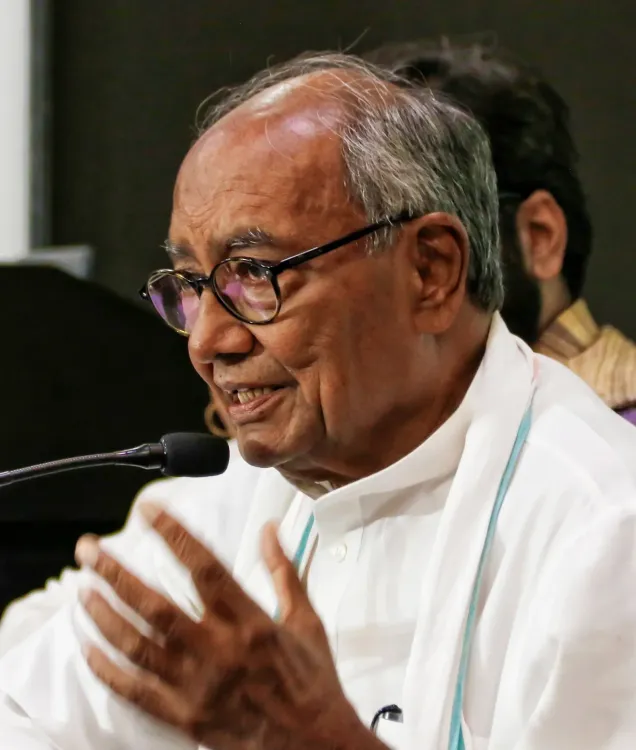
Digvijaya Singh , Congress leader and Chairman of the Parliamentary Standing Committee on Education, wrote to PM Modi on 7 June 2026 urging a halt to the CBSE three-language policy rollout.
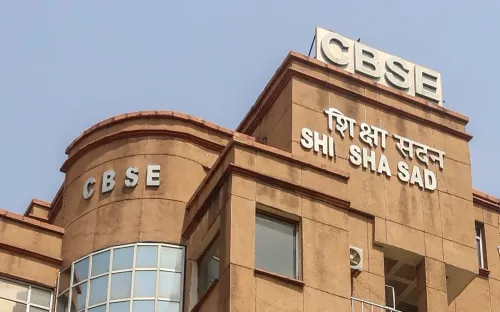
The CBSE issued a circular on 15 May 2026 directing schools to begin third-language instruction for Grade IX from 1 July 2026 .
In December 2025 , the CBSE Governing Body had approved continuing the existing language scheme until NCERT released graded textbooks — which have not yet been published.
Singh warned of disruption similar to the CBSE On-Screen Marking (OSM) rollout, which he said adversely impacted lakhs of students .
Students in southern and northeastern states , and schools opting for Sanskrit as a third language, face particular challenges due to teacher and textbook shortages.
A court verdict on the matter is expected after the 1 July 2026 implementation deadline, leaving students without timely legal relief.
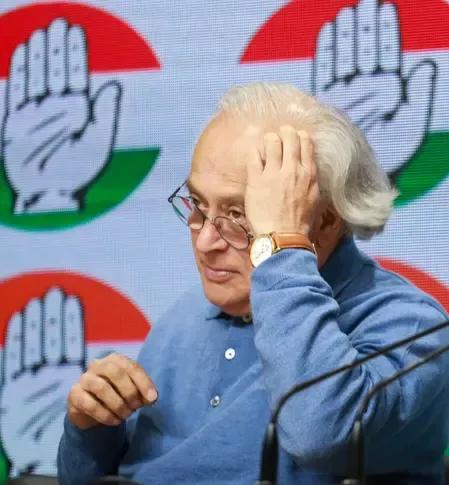
Congress leader Digvijaya Singh on Sunday, 7 June 2026, wrote to Prime Minister Narendra Modi urging the Centre to immediately defer the mandatory three-language policy for CBSE Class IX students, citing disruption risks from a mid-session rollout without adequate teachers, textbooks, or transition time. The letter forwards a signed representation from a group of concerned parents of Class 9 students who have objected to the compulsory enforcement of the policy during the ongoing academic year.
The Core Complaint: CBSE Overruling Its Own Governing Body
At the heart of Singh's objection is what he describes as a direct contradiction between the CBSE Governing Body's own December 2025 decision and a subsequent circular. According to Singh, the Governing Body had accepted the Curriculum Committee's recommendation that 'schools continue with the existing Scheme of Studies, especially with regards to language until the release of graded textbooks of languages by NCERT.'
Despite this, the CBSE issued a circular on 15 May 2026 directing schools to begin third-language instruction in Grade IX from 1 July 2026. Singh questioned why the board had 'so evidently overturned its Governing Body's decision' in a manner that threatens the academic planning of thousands of schools across the country.
Textbooks Not Ready, Teachers in Short Supply
NCERT has not yet released the required graded language textbooks, and the CBSE has reportedly suggested using NCERT's Grade 6 language books as a stopgap — a move Singh and the parents view as inadequate. He drew a pointed parallel with the rollout of CBSE's On-Screen Marking (OSM) system, which he said had 'adversely impacted lakhs of students across the country' due to similarly hasty implementation.
Singh also flagged a severe shortage of qualified Sanskrit teachers, noting that while Sanskrit has emerged as a popular third-language choice, the absence of trained teachers and appropriate textbooks would 'defeat the very purpose of promoting this beautiful language.'
Regional Concerns: South and Northeast Students at Risk
The Congress leader highlighted that students in southern and northeastern states could face particular difficulties, especially in regions where Hindi is not widely spoken and where local tribal languages are not included in CBSE's recognised list. He argued that the policy, as currently framed, fails to account for the linguistic diversity of India's student population.
Legal Proceedings and the Timing Problem
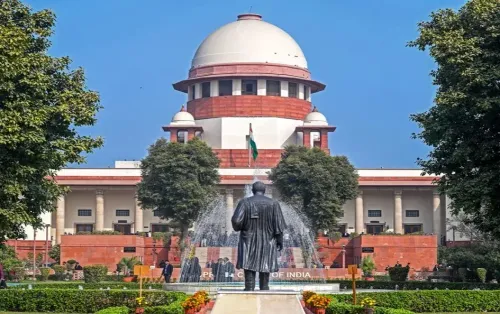
Singh noted that the matter is currently before the courts, but the expected verdict is scheduled after the 1 July 2026 deadline by which schools have been directed to begin implementation. This timing gap, he argued, leaves students in a legal and administrative limbo with no effective relief before the policy kicks in.
Second Modi Letter This Week
This is the second letter Singh has addressed to Prime Minister Modi within the same week. His earlier letter requested the release of a comprehensive White Paper on paper leaks and irregularities in examinations conducted by the National Testing Agency (NTA), citing the absence of consolidated public records and the mental stress this has caused among aspirants.
Singh, who chairs the Parliamentary Standing Committee on Education, Women, Children, Youth and Sports, closed his latest letter by urging the Prime Minister to give the matter 'urgent and sympathetic consideration in the interest of the millions of students whose academic futures depend on sound and well-prepared policy decisions.' How the Centre responds — and whether it grants even a temporary deferral — will be closely watched by school administrators and parents ahead of the July deadline.
Point of View
Particularly in the south and northeast, and rolling it out mid-session — without textbooks, without teachers, and against a pending court order — risks turning a legitimate policy goal into a classroom crisis. The NTA White Paper demand in the parallel letter signals that Singh is building a sustained education-accountability narrative ahead of the next electoral cycle, and the government's response to both letters will test whether the Standing Committee chairman's oversight role carries real weight.
NationPress
22 Oct 2026
Frequently Asked Questions
What is the CBSE three-language policy for Class 9 that Digvijaya Singh wants deferred?
It is a directive issued by the CBSE on 15 May 2026 requiring schools to begin mandatory third-language instruction for Grade IX students from 1 July 2026. Congress leader Digvijaya Singh has written to PM Modi urging the Centre to put the rollout on hold, citing missing NCERT textbooks, a shortage of qualified teachers, and the disruption of implementing the policy mid-session.
Why does Singh say CBSE contradicted its own Governing Body?
In December 2025, the CBSE Governing Body accepted a Curriculum Committee recommendation that schools continue with the existing language scheme until NCERT released graded textbooks. The May 2026 circular directing a July implementation was issued before those textbooks were ready, which Singh argues directly overturns that earlier decision.
Which students and regions are most affected by the policy?
CBSE Class IX students across the country are affected, but Singh has specifically highlighted students in southern and northeastern states, where Hindi is not widely spoken and where local tribal languages are not on CBSE's recognised list. Sanskrit-medium schools also face a challenge due to a shortage of qualified Sanskrit teachers.
What is the status of legal proceedings related to this policy?
The matter is currently before the courts, but Singh notes the expected verdict is scheduled after the 1 July 2026 deadline by which schools must begin third-language instruction. This means students and schools may have no legal relief before the policy takes effect unless the government acts independently.
What else has Digvijaya Singh written to PM Modi about this week?
Singh also wrote to PM Modi requesting the release of a White Paper on paper leaks and irregularities in NTA-conducted examinations. Singh, who chairs the Parliamentary Standing Committee on Education, Women, Children, Youth and Sports, cited the absence of consolidated public records and the mental stress caused to exam aspirants.