Smriti Irani marks 11 Years of Digital India under PM Modi

Synopsis
BJP leader Smriti Irani marked the 11th anniversary of Digital India on 1 July 2026, praising PM Modi's programme for empowering citizens, strengthening governance, and building a digital ecosystem that spans every corner of India.
Key Takeaways
Digital India completed 11 years on 1 July 2026 , having been launched by PM Narendra Modi on 1 July 2015 .
BJP leader Smriti Irani hailed the programme as a story of inclusion, empowerment, and transformation in a post on X.
Key milestones under the programme include the Aadhaar Act 2016 and the launch of UPI in 2016 , now one of the world's largest real-time payments platforms.
The Ministry of Electronics and Information Technology is the nodal body overseeing Digital India's implementation, including BharatNet broadband expansion.
Beneficiaries include individual citizens, MSMEs , government departments, and technology startups across India.
Upcoming focus areas include BharatNet Phase III rollout and potential new data protection legislation in Parliament .
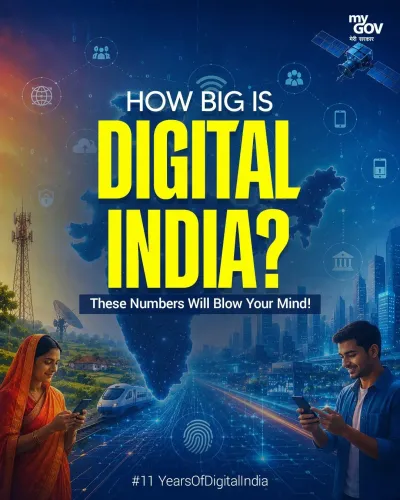
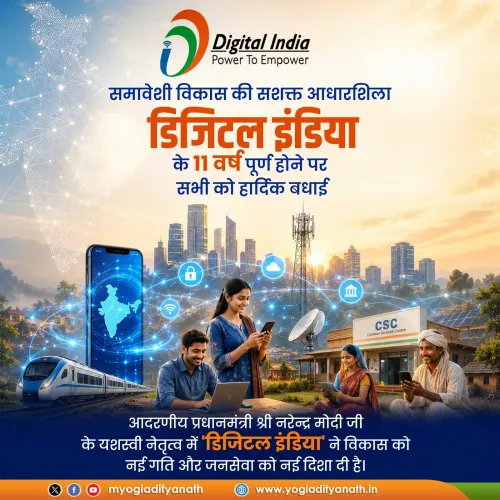
BJP leader and former Union Minister Smriti Irani on Wednesday, 1 July 2026 marked the 11th anniversary of the Digital India programme, hailing it as a story of inclusion, empowerment, and transformation under the leadership of Prime Minister Narendra Modi. Her post on X underscored how the initiative has reshaped the way citizens learn, work, and grow across every corner of the country.
Context
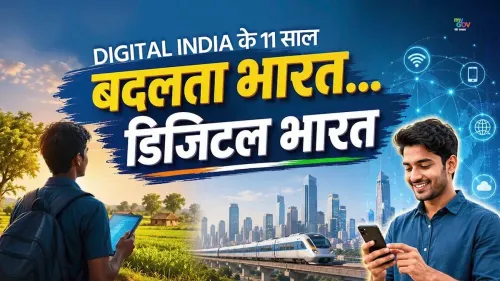
Irani wrote that '#11YearsOfDigitalIndia under PM @NarendraModi ji's leadership has transformed the way India learns, works, and grows,' adding that the programme has empowered citizens and businesses while strengthening governance and accelerating innovation. She described the outcome as 'a digital ecosystem that touches lives in every corner of the country.' The post, accompanied by a video, was shared on the exact anniversary date of the programme's original launch.
Digital India was formally launched by Prime Minister Narendra Modi on 1 July 2015, making 2026 its eleventh year of implementation. The programme was conceived as a comprehensive effort to create digital infrastructure, deliver government services electronically, and promote digital literacy among India's vast population.
Policy Backdrop
The roots of Digital India stretch back to the National e-Governance Plan approved in 2006, which laid the groundwork for many of the programme's current pillars. Two landmark developments accelerated its reach: the Aadhaar Act of 2016, which provided a legal framework for the biometric identity system now integrated into a wide range of public services, and the rollout of the Unified Payments Interface (UPI) in 2016, which became the backbone of India's digital payments ecosystem.
The Ministry of Electronics and Information Technology serves as the nodal ministry for implementing Digital India components, including broadband highway expansion through schemes such as BharatNet and the digitisation of government-to-citizen services. The initiative sits alongside complementary programmes including Startup India and Make in India, forming part of a broader push toward digital public infrastructure since 2014.
Stakeholders and Impact
The programme's stated beneficiaries span a wide spectrum: individual citizens accessing e-governance portals, micro, small and medium enterprises (MSMEs) leveraging digital payments and online marketplaces, government departments improving service delivery, and technology startups building on public digital infrastructure. UPI, one of the most visible outputs of the digital push, has grown into one of the world's largest real-time payments platforms and is now being piloted in multiple countries.
Digital literacy and last-mile connectivity remain ongoing priorities. The BharatNet project, aimed at connecting gram panchayats across rural India with high-speed optical fibre, continues to expand in successive phases, with Phase III rollout being closely watched by policymakers and industry alike.
What's Next
As Digital India enters its twelfth year, attention will focus on the progress of BharatNet Phase III and the potential tabling of new data protection legislation in Parliament, which would govern how personal data collected through digital public infrastructure is stored and used. Irani's post signals that senior BJP leaders intend to keep the programme's anniversary visible in public discourse, reinforcing its place as a central plank of the party's governance narrative ahead of future electoral cycles.
Point of View
Framing Digital India not merely as a technology programme but as a governance achievement with broad social resonance. By invoking inclusion and empowerment alongside innovation, senior BJP leaders are reinforcing the narrative that digital infrastructure is a welfare instrument, not just an economic one. This framing is consistent with the party's broader strategy of connecting flagship schemes to tangible citizen benefit ahead of electoral cycles. The post also reflects a wider pattern in which the BJP uses programme anniversaries as recurring communication moments to consolidate its identity as a technology-forward, reform-oriented party.
NationPress
1 Jul 2026
Frequently Asked Questions
When was Digital India launched and by whom?
Digital India was formally launched on 1 July 2015 by Prime Minister Narendra Modi as a flagship government programme to build digital infrastructure, deliver e-services, and promote digital literacy across India.
What did Smriti Irani say about Digital India's 11th anniversary?
Smriti Irani posted on X that 11 years of Digital India under PM Modi's leadership had 'transformed the way India learns, works, and grows,' describing it as a story of inclusion, empowerment, and transformation.
What are the key achievements of Digital India?
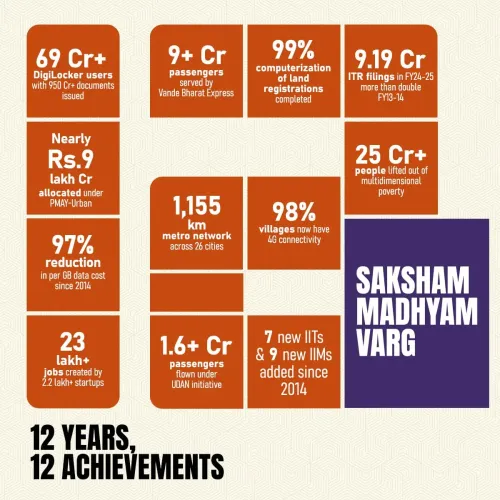
Among the most significant outcomes are the integration of the Aadhaar biometric identity system into public services, the launch and mass adoption of UPI for digital payments, and the ongoing expansion of rural broadband through BharatNet .
Who benefits from the Digital India programme?
The programme's benefits extend to individual citizens accessing e-governance services, MSMEs using digital payments and platforms, technology startups building on public digital infrastructure, and government departments improving service delivery efficiency.
What is next for Digital India in 2026?
Key developments to watch include the progress of BharatNet Phase III for rural broadband connectivity and the potential introduction of new data protection legislation in Parliament to govern data collected through digital public infrastructure.