Kirit Somaiya seeks Namaz ban on Mumbai roads; Congress demands equal rules
Synopsis
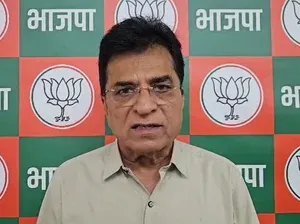
BJP's Kirit Somaiya has formally written to Mumbai's top civic and police officials demanding an end to Namaz on public roads, citing traffic disruption. Congress has fired back — not by defending road prayers, but by demanding that any crackdown apply equally to Ganesh processions, Navratri gatherings, and every other community. The real question isn't about one religion; it's about whether Mumbai will ever enforce public-space rules without political selectivity.
Key Takeaways
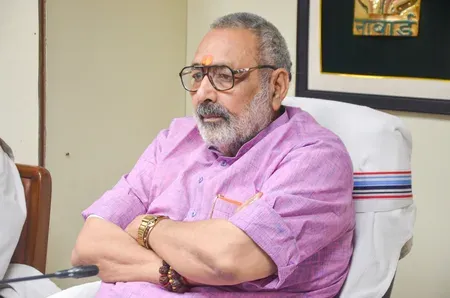
BJP leader Kirit Somaiya wrote to Mumbai's Municipal Commissioner , Police Commissioner , Joint Traffic Commissioner , and District Collectors on Tuesday seeking a ban on Namaz on public roads.
Somaiya cited disruption to traffic and commuters, particularly during Friday afternoon prayers , and referenced court guidelines on public space usage.
Congress leader Husain Dalwai said mosque overcrowding sometimes forces prayers outside, but backed moving congregations indoors.
Dalwai demanded that any public-space restrictions be applied uniformly to all communities, citing Ganesh festival processions , Navratri events, weddings, and funeral processions as comparable examples.
The issue reflects a wider national debate over consistent enforcement of public-space rules across religious communities.
BJP leader Kirit Somaiya on Tuesday wrote to multiple civic and police authorities in Mumbai, urging immediate action to stop the offering of Namaz on public roads and other open spaces across the city. Somaiya argued that such gatherings disrupt traffic and inconvenience commuters and residents — a demand that has triggered a sharp political counter from the Congress, which is calling for uniform enforcement across all religious communities.
What Somaiya's Letter Said
Somaiya addressed his communication to the Municipal Commissioner of Mumbai, the Mumbai Police Commissioner, the Joint Commissioner of Traffic Police, and the District Collectors of Mumbai City and its suburban districts. The letter reportedly cited instances where Namaz is allegedly offered outside railway stations and on busy thoroughfares in certain parts of the city.
According to Somaiya, large congregations — particularly during Friday afternoon prayers — frequently affect traffic flow and create difficulties for commuters. He maintained that public roads, key intersections, and high-footfall zones must not be used for religious gatherings, as such activities interfere with traffic management and civic convenience.
The BJP leader also invoked various court observations and guidelines on the use of public spaces, parks, and open grounds, arguing these should be strictly enforced to preserve public order and ensure smooth functioning of urban infrastructure.
Administration Asked to Issue Clear Guidelines
Somaiya urged the administration to frame clear directives and take immediate preventive steps. He stressed that in a densely populated metropolis like Mumbai, maintaining law and order, ensuring unobstructed traffic movement, and protecting civic amenities must remain non-negotiable priorities.
Copies of the letter were also forwarded to the Mumbai City and suburban district collectors, as well as the Joint Commissioner of Traffic Police, to facilitate coordinated administrative action.
Congress Pushes Back, Demands Uniform Standards
Congress leader Husain Dalwai acknowledged that overcrowding at mosques sometimes forces worshippers to offer prayers outside when interior space is insufficient. He said he has personally advised members of the Muslim community to hold multiple congregations inside mosques rather than spilling onto public roads.
However, Dalwai questioned whether the same standards were being applied to other communities. 'I would like to ask Kirit Ji which religion does not use public roads for its activities. Ganesh festival processions take place on roads, Navratri celebrations are held in public spaces, weddings often occupy roads, and funeral processions also pass through public streets,' he said.
Dalwai argued that any restrictions on one community must be implemented uniformly across all religious groups. He also criticised Somaiya over past actions related to housing, claiming many economically weaker families continue to face an acute shortage of adequate shelter.
Broader Context: Public Space and Religious Activity
The letter arrives amid a sustained national debate over the use of public spaces for religious and cultural activities by different communities. This is not the first time the issue has surfaced in Mumbai — similar complaints about road-blocking religious events, cutting across faiths, have been raised periodically by residents, courts, and civic bodies. Notably, courts across India have issued repeated advisories against the use of public roads for any religious activity, though enforcement has remained inconsistent.
With the Bharatiya Janata Party (BJP) pushing for stricter enforcement and the Congress insisting on equal application of any rules, the issue is set to remain a flashpoint in Mumbai's civic and political discourse in the weeks ahead.
Point of View
Celebrations, and gatherings of every faith, the BJP risks undermining a legitimate civic argument with selective framing. Dalwai's counter, while partly deflective, lands a real point: Mumbai's administration has never enforced public-space rules uniformly. Until it does, any single-community action will read as politics, not governance. The test is whether the administration now issues guidelines that apply to every religion — and enforces them.
NationPress
20 Sept 2026
Frequently Asked Questions
What did Kirit Somaiya demand in his letter to Mumbai authorities?
Kirit Somaiya wrote to the Mumbai Municipal Commissioner, Police Commissioner, Joint Commissioner of Traffic Police, and District Collectors, seeking immediate action to stop Namaz from being offered on public roads and open spaces. He argued such gatherings disrupt traffic and public convenience, citing court guidelines on the use of public spaces.
Why does overcrowding lead to Namaz being offered on roads?
Congress leader Husain Dalwai explained that when mosque capacity is insufficient — particularly during Friday afternoon prayers — some worshippers offer Namaz outside on adjacent roads. He said he has personally urged the Muslim community to hold multiple congregations inside mosques to avoid spilling onto public spaces.
What is the Congress party's position on Somaiya's demand?
The Congress, through leader Husain Dalwai, has said it supports keeping public roads clear but insists that any restrictions must apply equally to all religious communities. Dalwai pointed to Ganesh festival processions, Navratri events, weddings, and funeral processions as comparable uses of public roads by other communities.
Have courts addressed the use of public roads for religious activities?
Yes, courts across India have issued periodic advisories and guidelines cautioning against the use of public roads for religious activities by any community. However, enforcement has remained inconsistent, which is a central point in the ongoing debate.
What happens next after Somaiya's letter?
The letter requests that Mumbai's civic and police administration issue clear guidelines and take immediate preventive steps. Whether the administration acts — and whether any rules are applied uniformly across all religious communities — will determine the political and civic outcome of this demand.