Sonowal Hails 12 Years of Modi Govt Farmer Welfare Push
Synopsis
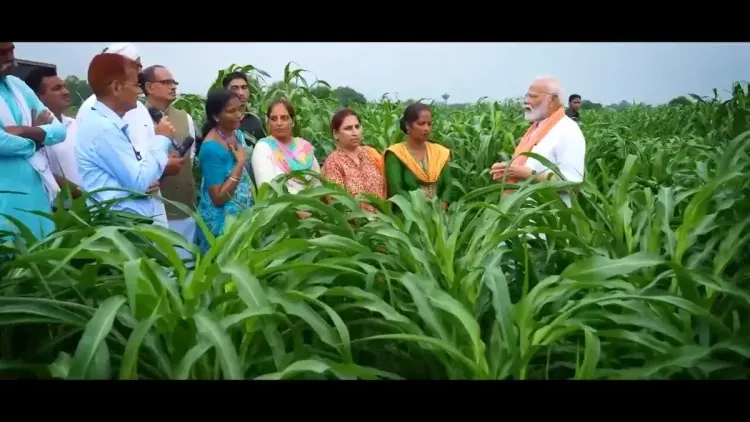
Union Minister Sarbananda Sonowal on June 11, 2026, credited PM Modi's twelve-year record with transforming Indian agriculture through PM-KISAN direct income transfers and e-NAM digital markets, framing empowered farmers as central to the Viksit Bharat vision.
Key Takeaways
Sarbananda Sonowal , Union Minister of Ports, Shipping and Waterways, posted on June 11, 2026 under #12YearsOfKisanSamriddhi praising PM Modi 's agricultural record.
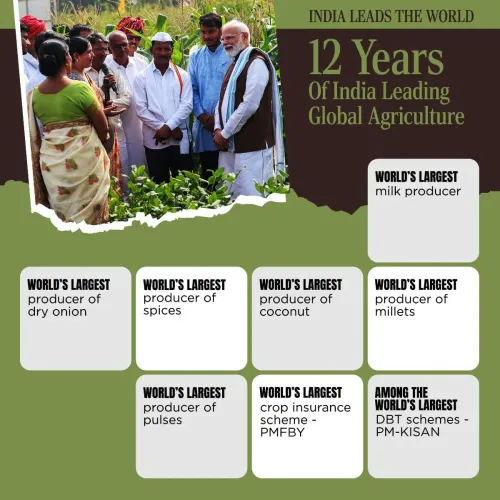
PM-KISAN , launched February 2019 , provides Rs 6,000 annually in direct benefit transfers to eligible farmer families. e-NAM , launched April 2016 , has integrated over 1,000 mandis into a single digital trading platform for transparent price discovery.
The government announced a target to double farmer incomes in the 2016 Union Budget, anchoring the policy arc Sonowal referenced.
The post is part of coordinated cross-ministerial messaging linking farmer welfare achievements to the Viksit Bharat 2047 development vision.
Small and marginal farmers are the primary intended beneficiaries of both the income-transfer and digital-market reforms cited.
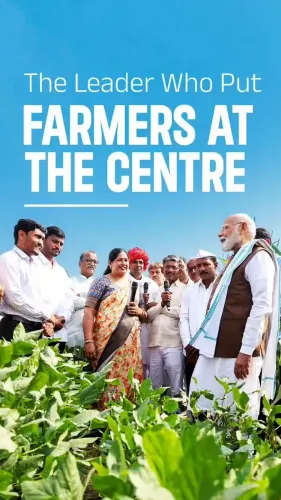
Union Minister of Ports, Shipping and Waterways Sarbananda Sonowal on Thursday, June 11, 2026, credited Prime Minister Narendra Modi's twelve-year governance record with fundamentally reshaping Indian agriculture, citing direct income support and technology-driven market reforms as twin pillars of farmer empowerment.
Context
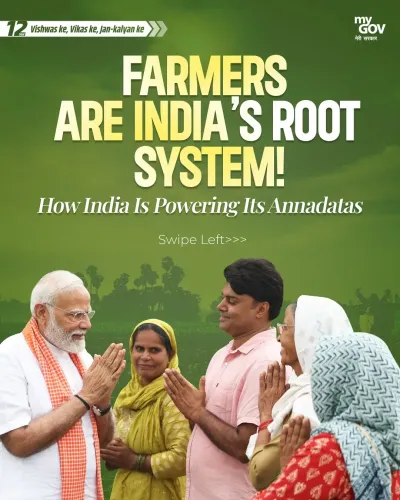
Posting under the hashtag #12YearsOfKisanSamriddhi, Sonowal wrote that 'Kisan Kalyan' (farmer welfare) under PM Modi had given 'Annadatas' (food providers, a respectful term for farmers) 'true financial dignity.' The post is part of a coordinated cross-ministerial messaging effort marking twelve years of the Narendra Modi-led government and its agricultural policy record since May 2014.
Sonowal, a senior BJP leader and former Chief Minister of Assam, holds the Ports and Waterways portfolio but amplified the agriculture achievement narrative, reflecting a broader government communications pattern around scheme anniversaries and rural development milestones.
Policy Backdrop
The two flagship interventions most closely associated with this narrative are PM-KISAN and e-NAM. Launched in February 2019, PM-KISAN provides Rs 6,000 per year in direct benefit transfers to landholding farmer families, deposited in three equal instalments directly into bank accounts, bypassing intermediaries.
The Electronic National Agriculture Market (e-NAM) platform, rolled out in April 2016, integrated over 1,000 mandis across the country into a single online trading portal, enabling transparent price discovery and remote bidding for agricultural produce. Both schemes were central to the government's 2016 Union Budget announcement of a target to double farmer incomes.
These interventions sit within a broader policy philosophy of direct transfers and digital infrastructure that the Modi government has consistently promoted as an alternative to older subsidy-routing mechanisms.
Stakeholders and Impact
The primary beneficiaries of these schemes are small and marginal farmers, who constitute the majority of India's agricultural households and historically had limited access to formal credit and transparent markets. The PM-KISAN direct transfer model was designed specifically to reach this segment without dependence on state-level intermediaries.
Mandi traders and agricultural supply-chain participants have also been affected by the e-NAM digitisation push, which introduced competitive online bidding into markets that previously operated through localised, often opaque, commission-agent networks. Sonowal's message frames empowered, self-reliant farmers as active contributors to the government's Viksit Bharat (Developed India) vision for 2047.
What's Next
The Viksit Bharat framework, formally promoted since 2023, positions rural prosperity as a foundational pillar of India's development ambitions over the next two decades. Agricultural policy observers will watch the forthcoming monsoon session of Parliament for follow-up announcements on digital agriculture infrastructure, including potential expansion of e-NAM integration and next-phase PM-KISAN revisions.
Cross-ministerial amplification of farmer welfare messaging by senior leaders like Sonowal signals that the BJP's rural outreach communication will remain prominent through the current political cycle, with the #12YearsOfKisanSamriddhi campaign likely to generate continued commentary across government platforms.
Point of View
Deflecting attention from ongoing rural distress debates by foregrounding scheme-level achievements. Invoking 'Viksit Bharat' ties immediate welfare optics to a long-horizon national goal, making the message simultaneously retrospective and aspirational. This pattern is likely to intensify as the government approaches key electoral and budget cycles where rural voter sentiment is pivotal.
NationPress
13 Sept 2026
Frequently Asked Questions
What is PM-KISAN and who benefits from it?
PM-KISAN is a central government scheme launched in February 2019 that provides Rs 6,000 per year in three equal direct benefit transfer instalments to landholding farmer families across India, targeting small and marginal farmers in particular.
What is e-NAM and how does it help farmers?
e-NAM, the Electronic National Agriculture Market, is a digital trading platform launched in April 2016 that connects over 1,000 mandis nationwide, enabling farmers to access transparent online price discovery and competitive bidding for their produce.
What does Viksit Bharat mean and how does it relate to farmers?
Viksit Bharat means 'Developed India' and refers to the government's official vision of making India a fully developed nation by 2047. Rural prosperity and farmer empowerment are positioned as foundational to achieving this goal.
Why is Sarbananda Sonowal, a ports minister, posting about farmer welfare?
Senior BJP ministers routinely amplify cross-portfolio government achievements, especially around scheme anniversaries. Sonowal's post is part of a coordinated #12YearsOfKisanSamriddhi campaign marking twelve years of the Modi government's agricultural policy record.
What is the significance of the hashtag #12YearsOfKisanSamriddhi?
The hashtag marks twelve years since Narendra Modi became Prime Minister in May 2014, with 'Kisan Samridhi' meaning farmer prosperity. It anchors a government-wide social media campaign celebrating agricultural policy milestones from 2014 to 2026.