Akal Takht sacrilege law review: Ravneet Bittu slams Punjab MLAs' ignorance
Synopsis
The Akal Takht has frozen Punjab's controversial sacrilege amendment law and issued an ultimatum to the AAP government — and a Union Minister's revelation that many MLAs who voted for the Bill couldn't explain its contents has turned a religious dispute into a full-blown accountability crisis.
Key Takeaways
The Akal Takht issued an ultimatum to the AAP government on 29 June to remove objectionable clauses from the Jagat Jyot Sri Guru Granth Sahib Satkaar (Amendment) Act, 2026 .
Jathedar Giani Kuldeep Singh Gargaj placed the law on hold pending a comprehensive review, after all Sikh legislators raised their hands in agreement.
The Jathedar objected to replacing the term 'Bir' with 'Saroop' and raised concerns over the SGPC's role in Guru Granth Sahib printing provisions.
Union Minister Ravneet Singh Bittu alleged that several MLAs who voted for the Bill could not explain its contents or legal implications.
Bittu demanded to know which constitutional experts, legal scholars, and Panthic institutions were consulted before the Bill was introduced.
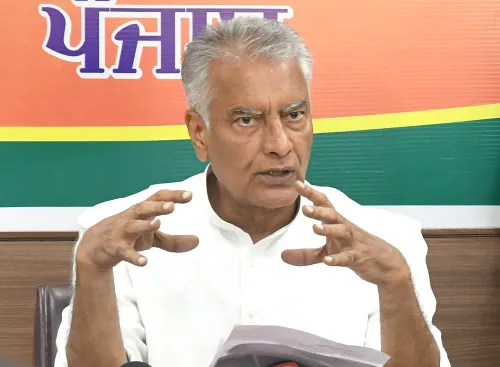
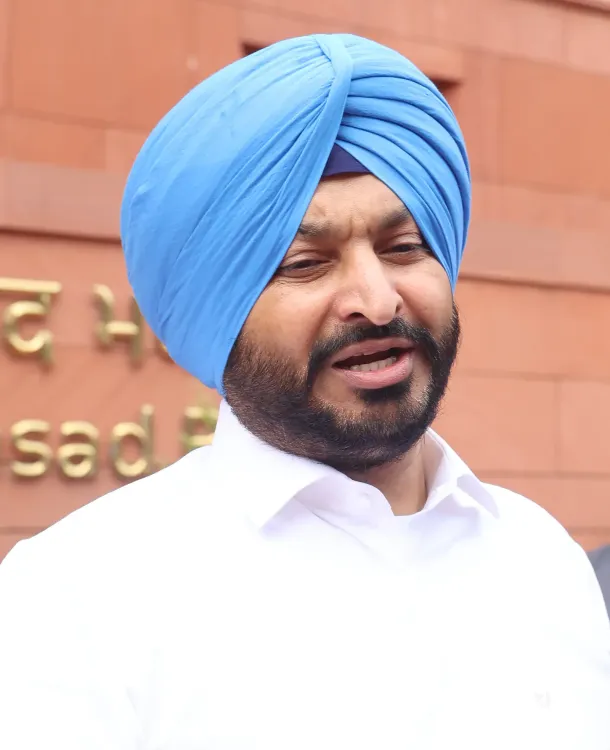
Union Minister of State for Railways Ravneet Singh Bittu on Monday, 29 June welcomed the Akal Takht's directive calling for a comprehensive review of the Jagat Jyot Sri Guru Granth Sahib Satkaar (Amendment) Act, 2026, while launching a sharp attack on the Punjab government over what he described as a deeply flawed legislative process. The minister's remarks came hours after Jathedar Giani Kuldeep Singh Gargaj, head of the highest temporal seat of the Sikhs, issued an ultimatum to the Aam Aadmi Party (AAP) government to remove objectionable clauses from the recently enacted law.
What the Akal Takht Directed
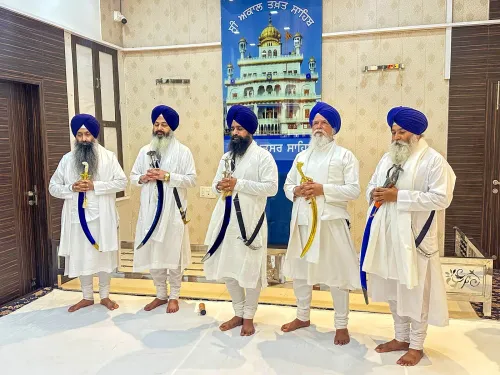
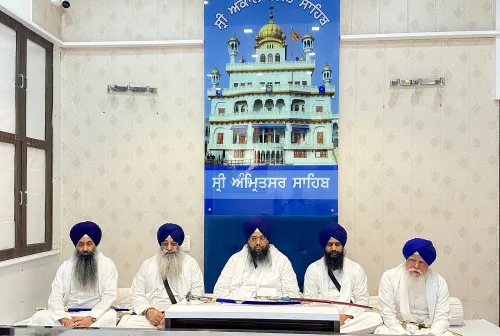
The Akal Takht directive followed a significant gathering in which all Sikh legislators and ministers appeared before the Jathedar and, by raising their hands, collectively agreed to review the law afresh. The Jathedar placed the legislation on hold pending that review. Jathedar Giani Kuldeep Singh Gargaj raised pointed objections to the government's attempt to define religious terminology through statute — specifically, the replacement of the traditional term 'Bir' with 'Saroop' — and flagged concerns over provisions affecting the Shiromani Gurdwara Parbandhak Committee's (SGPC) role in the printing and publication of Guru Granth Sahib Birs.
Bittu's Broadside: Who Drafted This Bill?
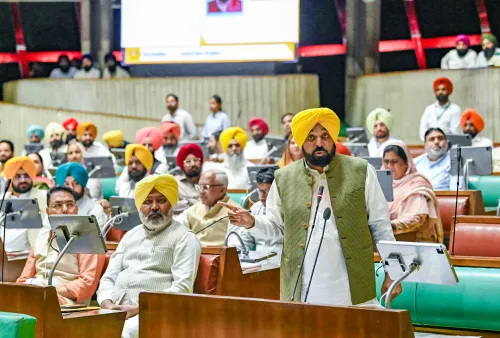
Bittu reserved his sharpest criticism for the legislative process itself, alleging that several MLAs from different political parties — who had voted to pass the Bill in the Punjab Vidhan Sabha — were unable to explain its provisions or legal implications when questioned during the Akal Takht deliberations. 'What unfolded during today's deliberations is deeply disturbing,' he said in a statement.
The minister questioned whether the Assembly had been reduced to endorsing a pre-drafted document. 'The Punjab Vidhan Sabha is not a rubber stamp. MLAs are elected by the people to debate, scrutinize and legislate, not to blindly endorse documents placed before them,' Bittu said. He called it 'shocking' that elected representatives drawing salaries and privileges from the public exchequer could not explain the very law they had voted for.
The Sanctity Argument
Bittu argued that any legislation concerning Sri Guru Granth Sahib-ji demands far more than political expediency. 'The sanctity of Sri Guru Granth Sahib-ji is above politics. Any law concerning our eternal Guru cannot be drafted in haste, passed for headlines, or used as a political spectacle,' he said. He called for the collective wisdom of Sikh scholars, legal experts, Panthic institutions, and elected representatives to guide any future legislative effort. He also asserted that such legislation cannot be 'influenced by political expediency or dictated from outside Punjab.'
Political Context and What Comes Next
The controversy places the AAP government in Punjab under significant institutional and religious pressure. The Akal Takht's intervention is rare and carries considerable moral authority within the Sikh community. Notably, the Jathedar's ultimatum — backed by a public show of hands from Sikh legislators — effectively freezes the law until the government addresses the objections. Bittu described the Akal Takht's decision to allow time for wider consultation as 'both timely and necessary,' adding that it provides an opportunity to ensure any future law is 'constitutionally sound, legally enforceable and fully consistent with Sikh principles and sentiments.' The government has yet to formally respond to the Akal Takht's directive or indicate a timeline for amending the legislation.
Point of View
It is less a political controversy and more a constitutional one. The AAP government's challenge now is not merely to amend a clause or two, but to rebuild credibility with an institution whose moral authority in Punjab far exceeds that of any elected government. Handling this as a routine legislative revision would be a serious miscalculation.
NationPress
29 Jun 2026
Frequently Asked Questions
What is the Jagat Jyot Sri Guru Granth Sahib Satkaar (Amendment) Act, 2026?
It is a recently enacted Punjab law concerning the sanctity and handling of the Guru Granth Sahib. The Akal Takht has placed it on hold after objecting to provisions that attempt to define religious terminology through legislation, including replacing the term 'Bir' with 'Saroop', and clauses affecting the SGPC's role in printing and publication.
What did the Akal Takht direct the Punjab government to do?
Jathedar Giani Kuldeep Singh Gargaj issued an ultimatum to the AAP government to remove objectionable clauses from the law in line with Sikh sentiments. The law has been put on hold pending a comprehensive review, following a public show of hands by Sikh legislators agreeing to reconsider it.
Why did Ravneet Singh Bittu criticise Punjab MLAs?
Bittu alleged that several MLAs from different parties who had voted to pass the Bill in the Punjab Vidhan Sabha were unable to explain its provisions or legal implications when questioned during Akal Takht deliberations. He called this 'deeply disturbing' and questioned who actually drafted the legislation.
Who is Jathedar Giani Kuldeep Singh Gargaj?
Giani Kuldeep Singh Gargaj is the Jathedar of the Akal Takht, the highest temporal seat of the Sikhs. His directives carry significant religious and moral authority within the Sikh community and, in this case, effectively freeze the contested legislation pending review.
What happens next with the sacrilege amendment law?
The law remains on hold until the Punjab government addresses the Akal Takht's objections. The government has not yet formally responded or announced a timeline for amending the legislation. Wider consultations involving Sikh scholars, legal experts, and Panthic institutions have been called for before any revised law is moved forward.