MLCC inventories hit record low as AI server demand surges
Synopsis
Global MLCC distributor inventories have collapsed to a record low — volumes down 22% year-on-year and falling — as AI server construction hoovers up these critical passive components faster than the supply chain can replenish them, threatening a ripple effect across the entire electronics industry.
Key Takeaways
Global MLCC distributor inventory volumes fell 8 per cent in the four weeks to August 9, 2026 , reaching a record low, per UBS Evidence Lab .
Year-on-year through July 2026 , MLCC distributor volumes plunged 22 per cent while unit prices rose 13 per cent .
Total distributor inventory value rose 10 per cent over four weeks and 6 per cent year-on-year, reflecting price inflation offsetting volume declines.
Murata Manufacturing ( Japan ) and Samsung Electro-Mechanics ( South Korea ) saw manufacturer inventory volumes drop 8 per cent and 20 per cent , respectively, in the same four-week window.
UBS analysts led by Shingo Hirata warned the supply-demand squeeze could spread from AI -related channels to the broader electronics market.
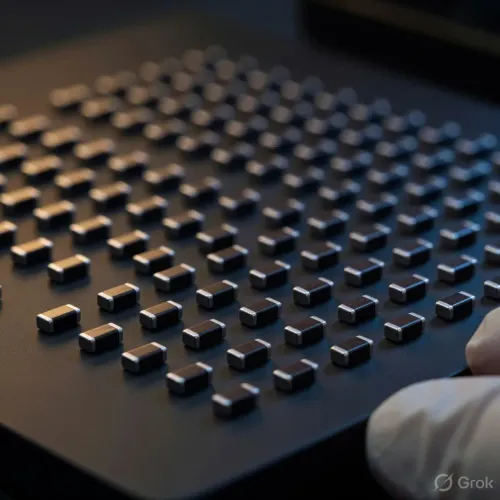
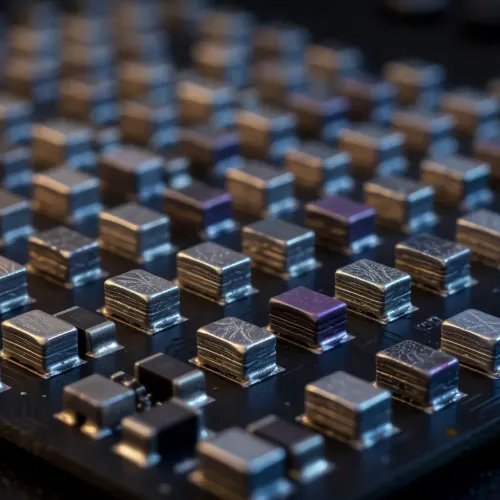
Global distributor inventories of multilayer ceramic capacitors (MLCCs) — tiny passive components known as 'the rice of the electronics industry' — have fallen to a record low, driven by explosive demand from artificial intelligence infrastructure build-outs. The supply crunch, documented in a Wednesday, August 26, 2026 report by UBS Evidence Lab, signals that the AI hardware wave is now reaching deep into the most foundational layers of the electronics supply chain.
The Numbers Behind the Crunch
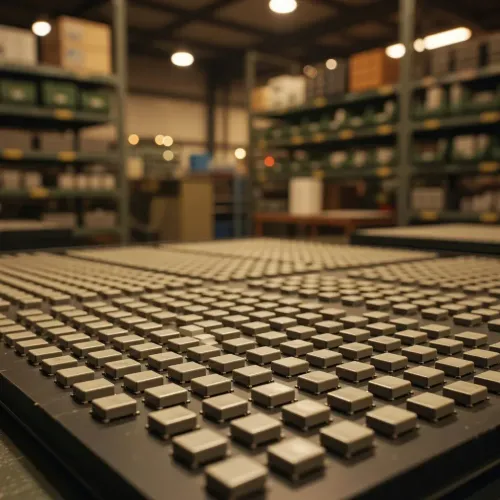
Worldwide distributor inventory volume for MLCCs declined 8 per cent by August 9 compared with four weeks earlier, extending a sustained downward trend, according to the UBS Evidence Lab report authored by analysts led by Shingo Hirata. Despite falling volumes, the total value of distributor inventory climbed 10 per cent over the same period, reflecting rising average unit prices.
Year-on-year data through the end of July painted an even sharper picture: unit prices rose 13 per cent, distributor volumes plunged 22 per cent, and inventory value edged up 6 per cent.
Why It Matters
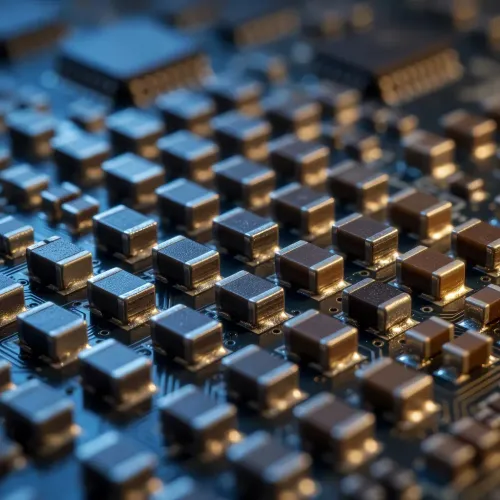
MLCCs function as electrical buffers on circuit boards and are consumed in massive quantities inside high-performance AI servers. Their scarcity is consequential: without an adequate supply of these components, even the most advanced GPU-powered server racks cannot be assembled at scale. The component has rapidly joined memory chips and optical modules as an AI-driven investor focus.
'We believe supply-demand tightness could start with AI-related and distributor channels and then spread to the overall market,' wrote UBS analysts led by Shingo Hirata in the report.
Manufacturer Inventories Follow Suit
The squeeze is visible at the production level as well. Japan's Murata Manufacturing saw manufacturer inventory volumes drop 8 per cent by August 9 versus four weeks prior, while South Korea's Samsung Electro-Mechanics (SEMCO) recorded a steeper 20 per cent decline over the same window. Both companies are among the world's dominant MLCC producers.
The Competitive Backdrop
The MLCC market has historically been cyclical, prone to boom-bust swings tied to consumer electronics demand. The current cycle is structurally different: AI server-grade MLCCs require higher capacitance and reliability specifications than those used in smartphones or laptops, limiting how quickly alternative suppliers can step in. Key players including TDK Corporation and SEMCO are being watched closely by investors for any capacity expansion signals.
What's Next
If the UBS Evidence Lab thesis holds, tightness that began in AI-related and distributor channels could cascade into the broader electronics market — affecting automotive, industrial, and consumer segments that also rely heavily on MLCCs. Companies with diversified MLCC sourcing strategies and long-term supply agreements will be best positioned as lead times lengthen and spot prices continue their upward trajectory.
Point of View
The real bottleneck in scaling AI data centres may increasingly sit with unglamorous passive components that are far harder to ramp quickly. The 20 per cent inventory drop at Samsung Electro-Mechanics in just four weeks suggests demand is outpacing even optimistic production schedules — and unlike leading-edge chips, MLCC capacity expansion requires years of kiln and manufacturing investment, not just fab retooling. Mainstream coverage has fixated on GPU scarcity; the MLCC data suggests the next constraint is already here.
NationPress
26 Aug 2026
Frequently Asked Questions
What are MLCCs and why are they important for AI servers?
MLCCs, or multilayer ceramic capacitors, are tiny passive components that act as electrical buffers on circuit boards. High-performance AI servers consume them in massive volumes — far more than consumer electronics — making a reliable supply essential for data centre construction.
How severe is the current MLCC supply shortage?
According to a UBS Evidence Lab report dated August 26, 2026, global distributor MLCC inventory volumes have hit a record low, falling 8 per cent in the four weeks to August 9 and 22 per cent year-on-year through July. Unit prices rose 13 per cent over the same year-on-year period.
Which MLCC manufacturers are most affected?
Japan's Murata Manufacturing and South Korea's Samsung Electro-Mechanics (SEMCO) are among the most exposed, with manufacturer inventory volumes declining 8 per cent and 20 per cent, respectively, in the four weeks to August 9, 2026. Both are among the world's largest MLCC producers.
Could the MLCC shortage spread beyond AI servers?
UBS analysts led by Shingo Hirata explicitly warned that 'supply-demand tightness could start with AI-related and distributor channels and then spread to the overall market.' Automotive, industrial, and consumer electronics sectors all depend heavily on MLCCs and could face tightening supply.
Who are the key companies to watch in the MLCC market?
Murata Manufacturing, Samsung Electro-Mechanics (SEMCO), and TDK Corporation are the dominant global MLCC producers. Investors and procurement teams are closely monitoring these firms for any capacity expansion announcements as lead times lengthen and spot prices climb.