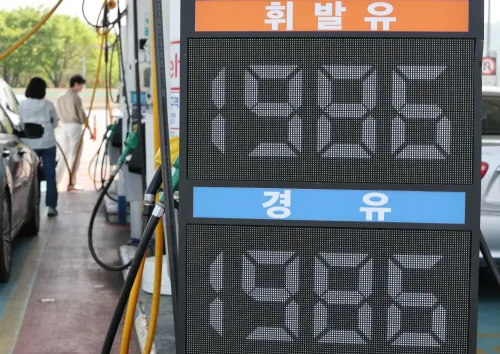
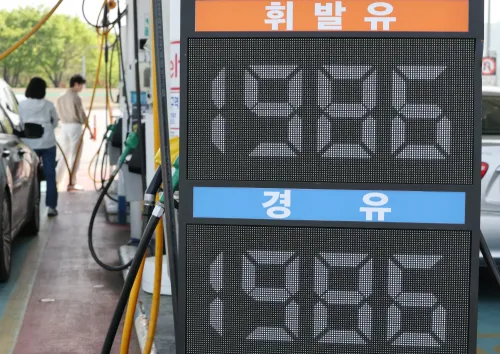
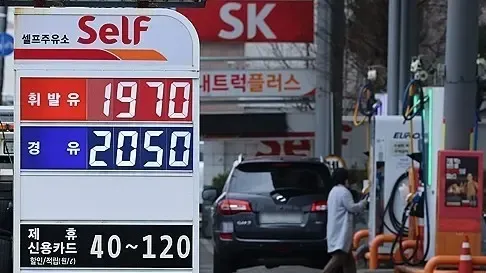
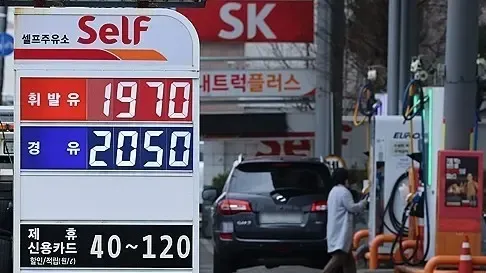
South Korea extends fuel tax cuts through January amid Middle East uncertainty
Synopsis
South Korea is extending fuel tax cuts — 15% on petrol and 25% on diesel and butane — through January, as Finance Minister Lee Hyoung-il's ministry cites Middle East-driven price risk and household burden. With the KOSPI swinging on US inflation data the same day, Seoul is navigating a twin pressure of domestic affordability and global monetary tightening.
Key Takeaways
South Korea will extend fuel tax cuts through 31 January , announced on 11 November by Finance Minister Lee Hyoung-il .
Tax cuts stand at 15 percent on gasoline and 25 percent on diesel and butane — in place since May .
The deeper diesel and butane relief reflects their critical role in industrial, logistics, and small-truck operations.
The KOSPI reversed early losses to trade up 0.26 percent at 5,252.84 on Wednesday amid US inflation jitters.
US consumer prices rose 0.3 percent month-on-month in October , stoking fears of further Federal Reserve tightening.
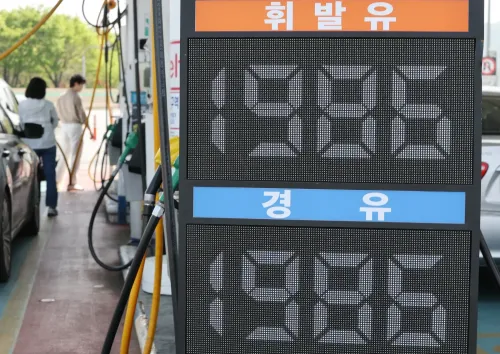
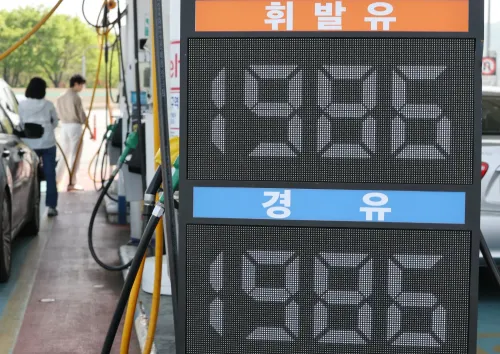
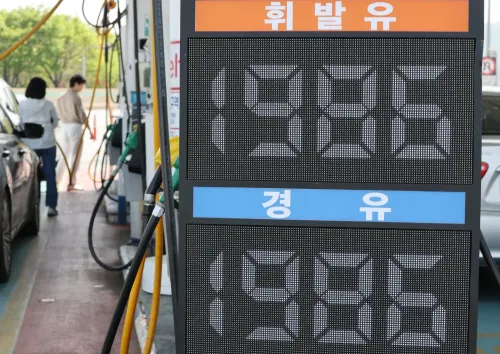
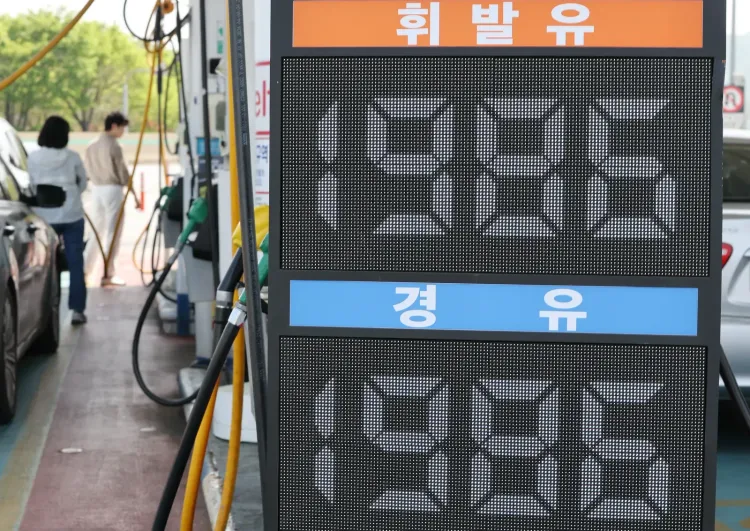
South Korea will extend its fuel tax cuts by two months through the end of January, the country's finance ministry announced on Wednesday, 11 November, citing the need to ease household financial burdens amid ongoing uncertainty stemming from the Middle East conflict. The decision was taken at a ministerial meeting chaired by Finance Minister Lee Hyoung-il.
Key Developments
The existing tax cuts — 15 percent on gasoline and 25 percent on diesel and butane — were originally set to expire at the end of November. Under the extended measure, these rates will now remain in force through 31 January. The government has maintained these rates since May, making this latest extension a continuation of a policy that has been in place for over six months.
The Ministry of Finance and Economy noted that the decision weighed both the burden on households and the government's capacity to respond to future price volatility. Officials also flagged the structural rationale behind the deeper cuts on diesel and butane: diesel is critical to industrial and logistics operations, while butane sees widespread use as fuel for small trucks.
Why the Deeper Diesel and Butane Relief
The steeper 25 percent cut on diesel and butane — compared with 15 percent on gasoline — reflects the outsized economic role these fuels play in South Korea's supply chain. For small businesses and logistics operators, diesel cost directly feeds into the price of goods, making the cuts an indirect consumer-price stabilisation tool as well.
This comes amid broader global energy price pressures, where the Middle East tensions continue to introduce risk premiums into crude oil markets. Notably, South Korea is heavily dependent on imported energy, making retail fuel prices particularly sensitive to global supply disruptions.
Market Reaction in Seoul
South Korean equities showed resilience on the same day, with the benchmark Korea Composite Stock Price Index (KOSPI) reversing early losses to trade up 13.71 points, or 0.26 percent, at 5,252.84 as of 9:15 am local time, after opening 0.56 percent lower. The recovery came despite concerns that hotter-than-expected US inflation data could push the Federal Reserve toward more aggressive monetary tightening.
On Tuesday, the KOSPI had surged 4.39 percent, buoyed by a rally in US technology stocks and falling oil prices. However, overnight in the US, the Dow Jones Industrial Average slipped 0.3 percent and the tech-heavy Nasdaq Composite declined 0.74 percent. US consumer prices rose at 0.3 percent month-on-month in October — higher than market expectations — stoking fresh rate-hike concerns.
Among large-cap stocks, Samsung Electronics fell 0.2 percent while chipmaking rival SK Hynix declined 0.5 percent, reflecting cautious sentiment in the technology sector.
What Happens Next
With the extended cuts now running through January, analysts will watch whether the government opts for yet another extension if geopolitical and inflationary pressures persist into the new year. Any further escalation in the Middle East or a surprise Fed rate hike could force Seoul to revisit its fiscal calculus sooner than expected.
Point of View
Not a structural solution — Seoul is essentially subsidising relief at the pump while hoping Middle East volatility resolves itself. The asymmetry in cuts (25% on diesel versus 15% on gasoline) is economically sound, but repeated extensions erode the fiscal space needed if a sharper energy shock materialises. Meanwhile, the KOSPI's same-day wobble on US inflation data underscores a deeper tension: South Korea's monetary conditions are increasingly set in Washington, and no domestic tax lever fully offsets that exposure.
NationPress
11 Nov 2026
Frequently Asked Questions
What fuel tax cuts is South Korea extending?
South Korea is extending a 15 percent tax cut on gasoline and a 25 percent cut on diesel and butane through the end of January. These rates have been in place since May and were originally due to expire at the end of November.
Why is South Korea keeping fuel tax cuts in place?
The government cited ongoing uncertainty in the Middle East — which affects global crude oil prices — and the need to ease financial pressure on households. The finance ministry also flagged the government's need to retain capacity to respond to future price volatility.
Why are diesel and butane getting bigger tax cuts than gasoline?
The ministry explained that diesel is central to industrial and logistics operations, while butane is widely used as fuel for small trucks. Deeper cuts on these fuels serve as an indirect cost-relief measure for businesses and supply chains.
How did South Korean markets react on the same day?
The KOSPI recovered from a weak open to trade up 0.26 percent at 5,252.84 as of 9:15 am local time on Wednesday. Concerns over hotter-than-expected US inflation data had initially pressured sentiment, with Samsung Electronics and SK Hynix both declining.
Could the fuel tax cuts be extended again beyond January?
That will depend on whether Middle East tensions and global energy prices stabilise. If geopolitical pressures persist or a Federal Reserve rate hike shocks markets, analysts expect Seoul could face pressure to extend relief measures further into 2027.