Disruption of Fuel and Food Supplies in Balochistan Amidst Israel-Iran Tensions
Synopsis
Tensions between Iran, Israel, and the US have triggered major disruptions in fuel and food supplies to Balochistan, Pakistan, leading to price surges and fears of shortages. Local merchants express concerns over the severe impact on border communities relying on Iranian imports.
Key Takeaways
Conflict Impact: The Israel-Iran tensions have disrupted essential supplies.
Reliance on Iran: Balochistan relies heavily on Iranian imports for food and fuel.
Price Increases: Food prices have surged by up to 40%.
Local Shortages: Key commodities are becoming scarce in local markets.
Fishing Industry Affected: Rising fuel costs are hurting local fishermen.
Kabul, March 8 (NationPress) The ongoing tensions between Iran, Israel, and the United States have led to significant disruptions in fuel and food supplies across various regions of Pakistan's Balochistan, resulting in price hikes and concerns over potential shortages in border areas, according to local media reports.
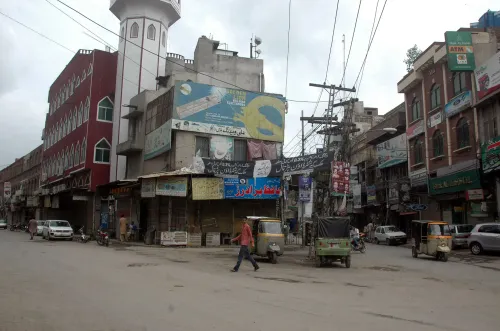
Areas in Pakistan neighboring Iran, notably the Makran and Rakshana regions, which include Gwadar, Kech, Panjgur, Chagai, and Washuk, are heavily dependent on Iranian imports that are generally more affordable and readily accessible than goods sourced from other parts of the country, as reported by The Balochistan Post.
Local merchants indicated that the closure of the border coupled with strict export limitations from Iran has severely restricted the availability of essential products in the region.
Ishaq Roshan Dashti, President of the Makran Traders Alliance, stated that approximately 80% of the fuel and food consumed in these border areas is sourced from Iran.
He noted that the prices of Iranian goods have surged following the implementation of a more than 30% tax on food exports by Iran, a measure taken after protests erupted earlier this year.
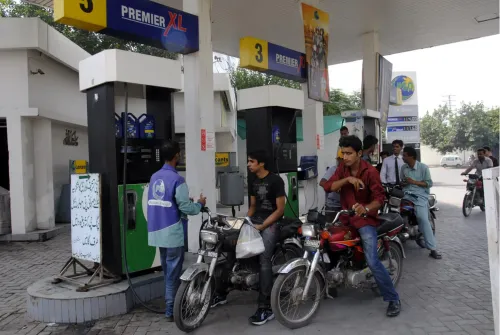
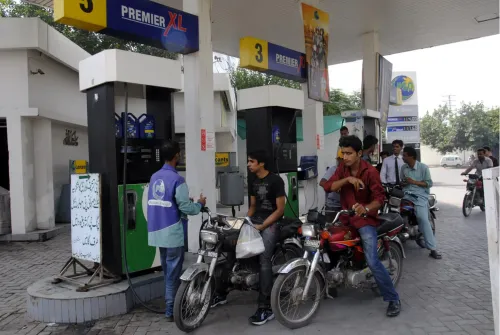
"Since the commencement of hostilities, cross-border trade has nearly halted," Dashti remarked, explaining that the Iranian government has issued a total ban on food exports, leading to shortages of key items such as flour, cooking oil, milk, yogurt, LPG gas, petrol, and diesel.
Merchants are reporting that shortages are becoming evident in local markets, with those who still have stock raising prices significantly.
In coastal districts like Gwadar, Jiwani, Pasni, and Ormara, food prices have skyrocketed by 30% to 40%.
Mashkel is facing a similar crisis. Local trader Khuda Dad mentioned that Mashkel has historically depended on Iranian goods due to its inadequate road connections with other parts of Pakistan. He reported a sharp increase in prices for most goods over the past week.
The price of LPG gas has skyrocketed to around PKR 600 per kg, while diesel and cooking oil prices have surged by 60% to 70%, according to The Balochistan Post.
The rising fuel costs are also adversely affecting the fishing industry in Gwadar, a key livelihood sector for many residents.
The conflict in West Asia intensified following coordinated strikes by the US and Israel against Iran, aimed at undermining Tehran's missile capabilities and military infrastructure.
The initial phase of the operation resulted in the deaths of high-ranking Iranian officials, including Supreme Leader Ayatollah Ali Khamenei, prompting Iran to retaliate with drone and missile strikes targeting US interests, regional capitals, and allied forces throughout West Asia.
Point of View
The disruption in fuel and food supplies due to international conflicts highlights the vulnerability of border regions like Balochistan. In an interconnected world, local economies can be significantly impacted by geopolitical tensions, necessitating a strategic focus on regional self-sufficiency and international cooperation.
NationPress
6 Sept 2026
Frequently Asked Questions
What caused the disruption in supplies to Balochistan?
The disruption is primarily due to the ongoing conflict between Iran, Israel, and the United States, which has led to border closures and export restrictions from Iran.
How much of Balochistan's supplies come from Iran?
Approximately 80% of fuel and food consumed in Balochistan's border areas is sourced from Iran.
What items are experiencing shortages?
Key items in short supply include flour, cooking oil, milk, yogurt, LPG gas, petrol, and diesel.
How have prices changed in Balochistan?
Prices of food items have increased by 30% to 40% in coastal districts due to the supply disruption.
What impact is this having on local industries?
The fishing industry in Gwadar is being particularly affected due to rising fuel costs, which many local residents depend on for their livelihoods.