Pakistan's policy failures fuelling Balochistan insurgency: Report
Synopsis
A Eurasia Review report argues that Pakistan's decades-long cultivation of proxy militant networks has created a blowback crisis in Balochistan — with the TTP and BLA reportedly formalising an operational alliance in 2026, deadly ambushes killing over a dozen soldiers in days, and Islamabad still clinging to an 'external conspiracy' narrative that the evidence increasingly contradicts.
Key Takeaways
A Eurasia Review report concludes that Pakistan's internal policy failures — not external actors — are the primary driver of the Balochistan insurgency.
A confrontation at the 143rd Wing post in Chaman and an April 26 ambush near Dalbandin left seven Pakistani soldiers dead ; a further ambush on April 27 on the N40 highway killed four more .
The Tehrik-i-Taliban Pakistan (TTP) and the Baloch Liberation Army (BLA) reportedly formalised an operational partnership in 2026 , a development the report says Pakistan's establishment downplayed.
Pakistan's security establishment spent decades using militant networks as "instruments of regional influence"; those same networks are now reportedly directing violence inward.
The report warns the insurgency is "no longer fragmented" — it is "learning, adapting, and expanding" while Islamabad remains "trapped in outdated narratives."
Pakistan's reliance on proxy militant networks, its heavy-handed suppression of local grievances, and its failure to respond to emerging militant alliances have collectively fuelled the deepening crisis in Balochistan, according to a detailed report published by Eurasia Review. Far from being a peripheral theatre, the province is reportedly turning into the epicentre of a multilayered insurgency shaped by decades of strategic miscalculations by Pakistani authorities.
Key Incidents Driving the Escalation
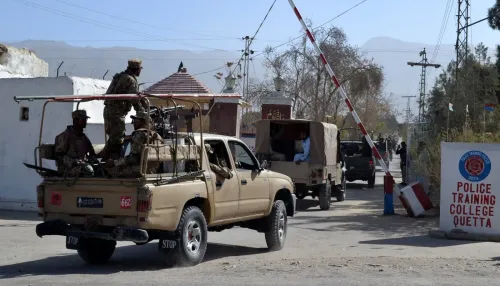
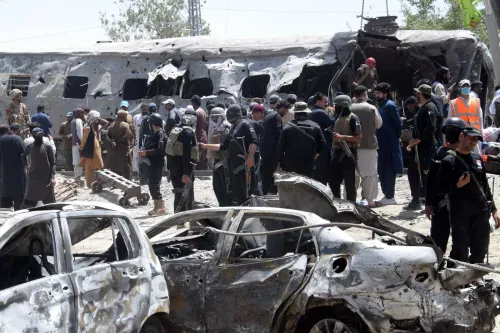
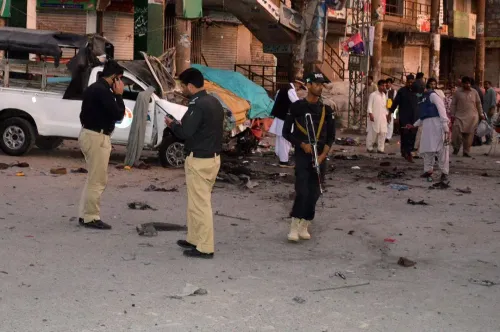
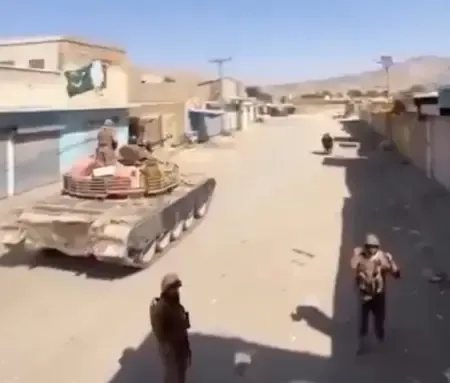
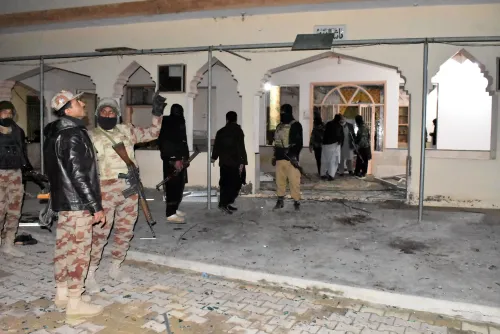
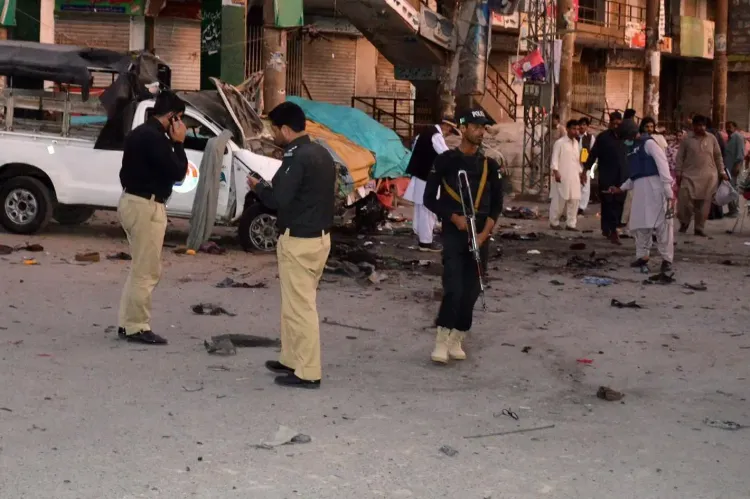
The report, citing field accounts, points to a deadly confrontation at the 143rd Wing post in Chaman that resulted in heavy casualties among Pakistani border forces. This was followed by intense fighting with Afghan Taliban fighters on 26 April, which left seven Pakistani soldiers dead at a roadblock near Dalbandin. A further ambush on 27 April along the N40 highway near Dalbandin killed four more Pakistani soldiers, underscoring what the report describes as the widening operational reach of militant groups.
According to the report, these were not isolated incidents but "symptoms of a deeper structural failure" within Pakistan's security framework. The attempt to move ammunition and fighters across the Chaman sector, it noted, "underscores how the border has become a two-way corridor for groups Islamabad once believed it could control."
The TTP-BLA Alliance and What It Signals
A particularly alarming development highlighted in the report is the reported formalisation of an operational partnership between the Tehrik-i-Taliban Pakistan (TTP) and the Baloch Liberation Army (BLA) in 2026. The report argues this development "should have triggered alarm bells across Pakistan's national security apparatus" — yet, it says, the establishment reportedly downplayed the threat. This convergence of a jihadist group and an ethno-nationalist separatist organisation marks a qualitative shift in the insurgency's character, analysts warn.
Islamabad's 'External Conspiracy' Narrative Under Scrutiny
Pakistan's military and civilian leadership has long framed the unrest in Balochistan as "externally orchestrated" — a narrative the report directly challenges. It argues that the current escalation is driven by actors "once cultivated, tolerated, or selectively ignored" by Pakistani authorities themselves. The report contends that these developments reflect not "external manipulation" but "internal policy failures" that have enabled militant ecosystems to grow well beyond the state's control.
Pakistan's security establishment, the report notes, spent decades exploiting militant networks as "instruments of regional influence." Today, those same networks are reportedly directing violence inward — a blowback dynamic that critics have long warned about.
Wider Implications and the Road Ahead
The report issues a stark warning about the trajectory of the conflict. "If Islamabad continues to deny the structural roots of the conflict, the situation will deteriorate further. The insurgency is no longer fragmented. It is learning, adapting, and expanding, while the state remains trapped in outdated narratives," it states. It concludes that Balochistan's future now hinges on whether Pakistan's security establishment can confront the consequences of its own policies — or whether it will continue down a path that has, according to the report, "already cost lives, territory, and legitimacy." The findings come amid heightened regional tensions and renewed international scrutiny of Pakistan's internal security management.
Point of View
Counterinsurgency operations risk treating symptoms while the underlying pathology deepens.
NationPress
22 Sept 2026
Frequently Asked Questions
What is driving the Balochistan insurgency according to the Eurasia Review report?
The report attributes the crisis primarily to Pakistan's own internal policy failures — including decades of cultivating proxy militant networks, suppressing local grievances, and failing to respond to emerging militant alliances. It argues these factors, not external conspiracies, have enabled the insurgency to expand.
What is the TTP-BLA alliance and why does it matter?
The Tehrik-i-Taliban Pakistan (TTP) and the Baloch Liberation Army (BLA) reportedly formalised an operational partnership in 2026. This is significant because it merges a jihadist organisation with an ethno-nationalist separatist group, creating a more coordinated and dangerous insurgent front that Pakistan's security apparatus reportedly underestimated.
What attacks occurred in Balochistan in late April 2026?
A confrontation at the 143rd Wing post in Chaman caused heavy casualties among Pakistani border forces, followed by fighting with Afghan Taliban fighters on April 26 that killed seven soldiers near Dalbandin. A further ambush on April 27 along the N40 highway near Dalbandin killed four more Pakistani soldiers.
How has Pakistan responded to the Balochistan unrest?
Pakistan's military and civilian leadership has continued to frame the unrest as externally orchestrated, attributing it to foreign interference. The Eurasia Review report challenges this narrative, arguing the escalation is driven by actors once cultivated or tolerated by Pakistani authorities themselves.
What does the report warn could happen if Pakistan does not change course?
The report warns that if Islamabad continues to deny the structural roots of the conflict, the situation will deteriorate further. It states the insurgency is 'no longer fragmented' and is 'learning, adapting, and expanding,' cautioning that continued reliance on outdated narratives has already cost Pakistan lives, territory, and legitimacy.