Army porter loses foot in mine blast near LoC in Rajouri, J&K

Synopsis
A civilian army porter lost his right foot after accidentally stepping on an anti-personnel mine near the LoC in Rajouri's Nowshera sector on Monday morning. The blast highlights the recurring danger of rain-displaced landmines to civilians working in J&K's forward areas — a threat that persists beyond the conflict itself.
Key Takeaways
Krishan Lal , an army porter from Langar village , lost his right foot in an anti-personnel mine blast on 2 November 2026 .
The incident occurred at approximately 11:30 am in the Nowshera sector of Rajouri district , near the Line of Control .
Heavy rains periodically dislodge LoC landmines from their original positions, increasing the risk of accidental detonation.
Army porters are civilian contractual labourers who handle logistics in high-altitude border areas of J&K .
The Indian Army has a policy of compensating porters injured during the course of their engagement.
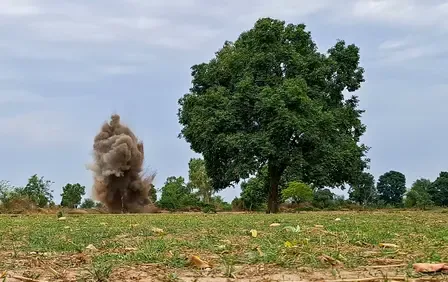
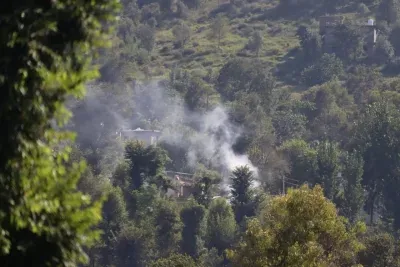
An army porter was seriously injured on Monday, 2 November 2026, after accidentally triggering an anti-personnel mine in a forward area near the Line of Control (LoC) in Rajouri district, Jammu & Kashmir. The incident occurred at approximately 11:30 am in the Nowshera sector, underscoring the persistent hazard landmines pose to civilians working in border zones.
What Happened
The injured porter, identified as Krishan Lal, a resident of Langar village, was moving through the forward area when he stepped on the mine. The blast caused him to lose his right foot. He was immediately evacuated to a nearby hospital, according to officials. His condition is described as serious.
Why Landmines Remain a Threat in Forward Areas
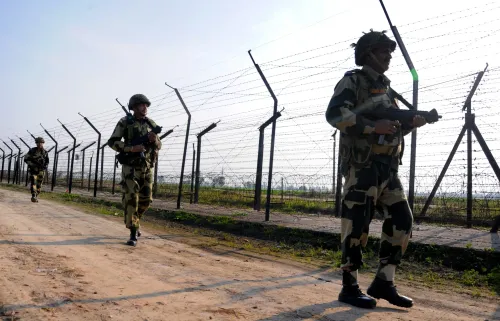
Officials noted that forward areas along the LoC are deliberately laid with landmines to deter cross-border infiltration. However, heavy rains periodically dislodge and wash away these mines from their original positions, significantly increasing the risk of accidental detonation by civilians and security personnel alike. This is not an isolated occurrence — such incidents have been reported periodically along the J&K border belt, particularly after monsoon seasons when mine displacement is most common.
Who Are Army Porters
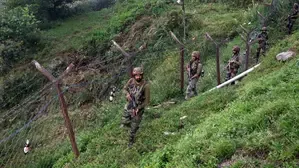
Army porters — locally referred to as 'potters' — are civilian labourers engaged by the Indian Army on a contractual basis to handle logistics and supply chain operations across high-altitude, difficult-to-access border terrains in J&K. Recruitment rallies typically require candidates to be between 18 and 40 years of age, medically and physically fit, and capable of operating in demanding high-altitude conditions. Residents of all J&K districts are eligible, and technically candidates from any Indian state may participate in open rallies.
Army's Compensation Commitment
According to officials, the Indian Army has a standing practice of compensating porters who suffer injury or mishap during the course of their engagement. These civilian labourers work alongside soldiers along the LoC and the international border, forming an essential component of the border logistics chain in some of the harshest operational environments in the country.
Broader Safety Concern
The incident renews attention to the safety of civilian workers operating in mined forward areas, and to the adequacy of current protocols for monitoring and clearing displaced mines after heavy rainfall. Calls for more systematic mine-mapping and civilian safety briefings in these zones have been raised by local representatives in the past. With winter approaching and ground conditions shifting, the risk window for similar accidents remains open.
Point of View
Turning defensive military infrastructure into an indiscriminate hazard for civilians. Army porters are not soldiers — they are contractual labourers with limited protective gear and training, yet they operate in some of the most dangerous terrain in the country. The compensation policy, while commendable, addresses consequences rather than causes. A more urgent question is whether mine-mapping is updated after each monsoon season and whether forward-area civilians receive timely warnings when displacement risk is high.
NationPress
2 Nov 2026
Frequently Asked Questions
What happened to army porter Krishan Lal in Rajouri?
Krishan Lal, a resident of Langar village in Rajouri, lost his right foot after accidentally stepping on an anti-personnel mine while moving through a forward area in the Nowshera sector near the Line of Control on 2 November 2026. He was immediately shifted to a nearby hospital.
Why are landmines dangerous to civilians in J&K's forward areas?
Landmines are laid along the LoC to prevent cross-border infiltration, but heavy rains can dislodge them from their original positions and wash them into civilian movement corridors. This makes accidental detonation a recurring risk for army porters and residents of forward villages.
Who are Indian Army porters in J&K?
Army porters are civilian labourers hired by the Indian Army on a contractual basis to handle logistics and supply operations in high-altitude border areas of J&K. Eligibility requires candidates to be between 18 and 40 years of age and medically fit for demanding high-altitude work.
Does the Indian Army compensate porters injured on duty?
Yes, the Indian Army has a standing policy of compensating porters who suffer injury or mishap during their engagement. Officials confirmed this policy applies in the case of Krishan Lal's injury.
How often do landmine accidents occur near the LoC in J&K?
Such incidents are reported periodically, particularly after the monsoon season when heavy rainfall is most likely to displace mines. The Nowshera sector in Rajouri district has seen prior incidents linked to forward-area mine hazards, though a precise recent frequency was not cited by officials.