Gig workers' 5-hour shutdown: GIPSWU demands ₹20 per km after fuel hike
Synopsis
India's gig economy is hitting pause — literally. With petrol and diesel up ₹3 a litre in the first major fuel hike in four years, the GIPSWU is shutting down app-based services for five hours on Saturday and demanding ₹20 per km for 1.2 crore workers. It is a sharper, more targeted escalation than December's strike, and it puts platform companies and the government on notice.
Key Takeaways
GIPSWU has called a 5-hour nationwide shutdown of app-based services from 12 pm to 5 pm on Saturday, 17 May 2025 .
The union demands a minimum rate of ₹20 per kilometre for delivery and transport gig workers.
Oil marketing companies raised petrol and diesel prices by ₹3 per litre — the first major nationwide fuel hike in nearly four years .
An estimated 1.2 crore gig and platform workers are directly affected by the fuel cost increase.
Workers on Swiggy , Zomato , and Blinkit are flagged as especially vulnerable due to reliance on two-wheelers and long working hours.
A previous nationwide gig worker strike was held in December 2025 over low wages, unfair conditions, and the 10-minute delivery model.
The Gig & Platform Service Workers Union (GIPSWU) has called for a nationwide temporary shutdown of app-based delivery and transport services between 12 pm and 5 pm on Saturday, 17 May 2025, demanding a minimum payment of ₹20 per kilometre for gig workers in the wake of the latest fuel price hike. The union estimates that nearly 1.2 crore gig and platform workers across India stand to be directly affected by the rise in fuel costs.
What Triggered the Shutdown Call
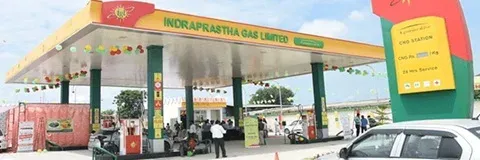
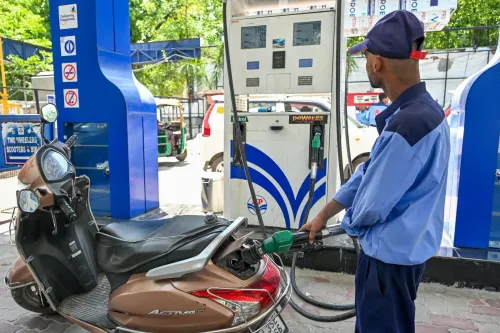
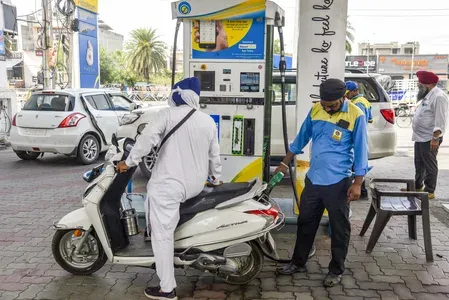
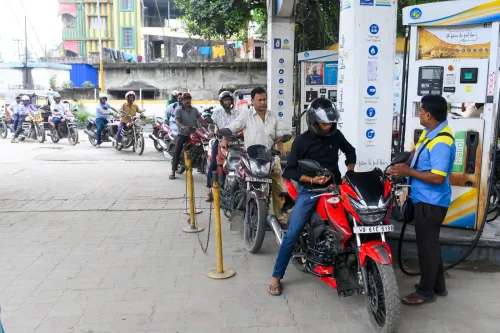
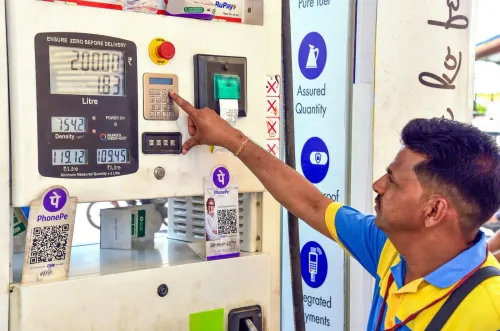
Oil marketing companies (OMCs) recently raised petrol and diesel prices by approximately ₹3 per litre — the first major nationwide fuel price revision in nearly four years. GIPSWU attributed the hike to elevated international crude oil prices and continued instability in global energy markets, linked in part to the ongoing West Asia conflict. The union argues that the increase, compounded by higher LPG cylinder rates, has sharply eroded the take-home earnings of workers who depend on two-wheelers for daily operations.
What the Union Is Demanding
GIPSWU is urging both the central government and digital platform companies to institute a statutory minimum service rate of ₹20 per kilometre for delivery and transport workers. The union contends that current compensation structures have remained stagnant even as operational costs — fuel, vehicle maintenance, and living expenses — have climbed steadily. Without a revision, the union warns, a significant number of gig workers may be compelled to exit the sector altogether.
Who Is Most Vulnerable
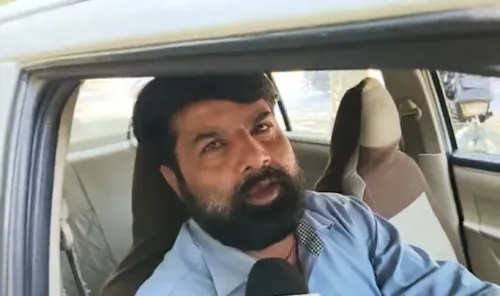
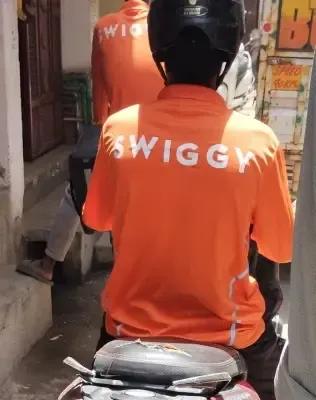
GIPSWU President Seema Singh specifically flagged workers associated with platforms such as Swiggy, Zomato, and Blinkit as particularly exposed. These workers, she said, rely heavily on motorcycles and scooters, clock long hours, and frequently operate in extreme weather conditions — all while absorbing fuel costs that platforms have not adjusted for. Singh stated that the fuel price increase, alongside rising LPG rates, has intensified financial pressure on workers already struggling with higher living costs.
A Pattern of Worker Unrest
This is not the first time India's gig workforce has mobilised over pay and conditions. In December 2025, gig and quick-commerce delivery workers had staged a nationwide strike protesting unfair working conditions, low wages, and the absence of social security benefits. At that time, workers had demanded the removal of the 10-minute delivery option and the restoration of earlier payout structures. Saturday's shutdown represents an escalation of those grievances, now sharpened by the fuel cost shock.
What Happens Next
The five-hour service blackout, if observed widely, is likely to disrupt food delivery, ride-hailing, and logistics services in major urban centres during peak afternoon hours. Industry observers will watch whether platform companies respond with any interim fare or payout adjustments, and whether the government signals any regulatory intervention on gig worker compensation — a debate that has been building since the Code on Social Security, 2020 first recognised gig workers as a distinct labour category.
Point of View
But the harder question is who pays for it: platforms that have resisted cost pass-throughs, consumers who are already price-sensitive, or a government that recognised gig workers in law in 2020 but has yet to operationalise meaningful protections. The Code on Social Security remains largely unimplemented. Until that changes, expect more shutdowns.
NationPress
7 Oct 2026
Frequently Asked Questions
Why have gig workers called a nationwide shutdown on Saturday?
The Gig & Platform Service Workers Union (GIPSWU) called the shutdown to protest the recent ₹3-per-litre hike in petrol and diesel prices, which it says has severely eroded earnings for delivery and transport workers. The union is demanding a minimum payment of ₹20 per kilometre from platforms and the government.
When and how long will the app-services shutdown last?
The shutdown covers app-based delivery, ride-hailing, and logistics services from 12 pm to 5 pm on Saturday, 17 May 2025 — a five-hour window during peak afternoon demand hours.
How many workers are affected by the fuel price hike?
GIPSWU estimates that approximately 1.2 crore gig and platform workers across India are directly affected by the rise in fuel costs. Workers on platforms such as Swiggy, Zomato, and Blinkit are considered especially vulnerable.
What is the significance of the ₹3-per-litre fuel hike?
The increase by oil marketing companies is reportedly the first major nationwide fuel price revision in nearly four years, making it a significant cost shock for two-wheeler-dependent gig workers who absorb fuel expenses directly.
Have gig workers gone on strike before?
Yes. In December 2025, gig and quick-commerce delivery workers held a nationwide strike over low wages, unfair working conditions, and the lack of social security benefits. At that time, they also demanded the removal of the 10-minute delivery option and restoration of earlier payout structures.