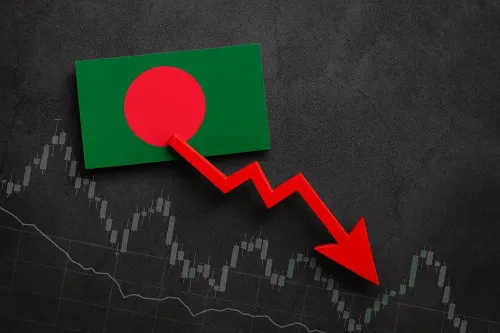
Bangladesh's Family Card Initiative Faces Fiscal Challenges and Social Welfare Risks
Synopsis
A new report warns that Bangladesh's Family Card programme, designed to aid vulnerable families with a 2,500 monthly allowance, may lead to severe fiscal strain and threaten the nation's social welfare system. Experts urge a reevaluation of funding priorities.
Key Takeaways
Family Card programme aims to support vulnerable families financially.
Concerns about fiscal burden on Bangladesh's social welfare system.
Potential cuts to education and health funding may arise.
Need for reform in the overall social welfare structure.
Combining cash assistance with services could yield longer-term benefits.
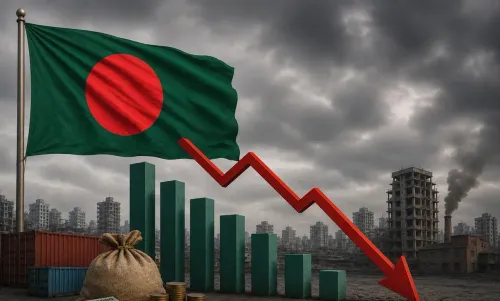
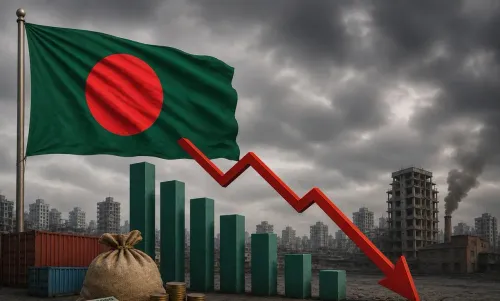
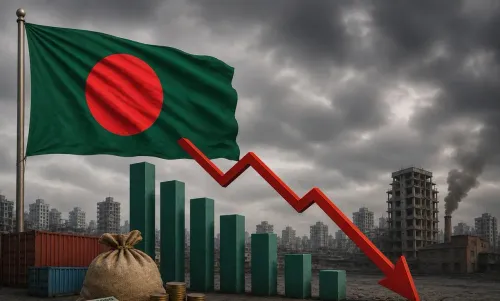
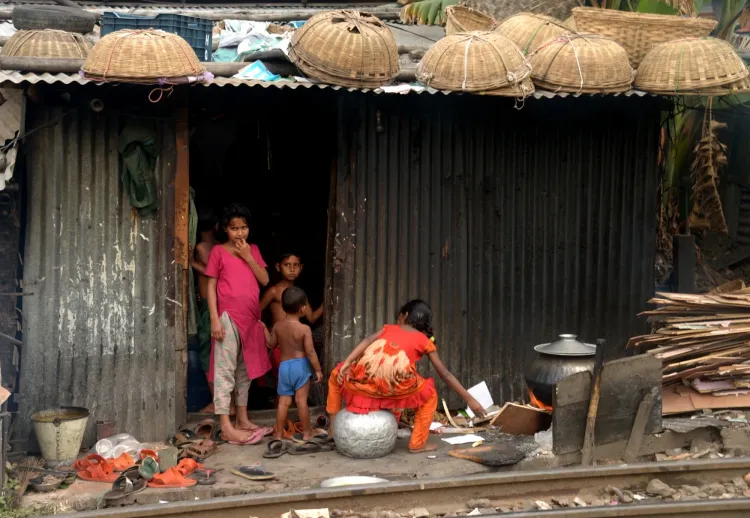
New Delhi, March 21 (NationPress) The initiation of the Family Card programme in Bangladesh, which aims to provide a monthly allowance of 2,500 (in local currency) to at-risk families, poses a significant threat to the nation’s fiscal stability and could jeopardize its already strained social welfare framework, according to a recent report.
Bangladesh's tax-to-GDP ratio is among the lowest globally, and rigid commitments in its budget, such as debt interest and energy subsidies, leave minimal flexibility for new ongoing obligations, as noted in the report by the Bangladesh-based Daily Star.
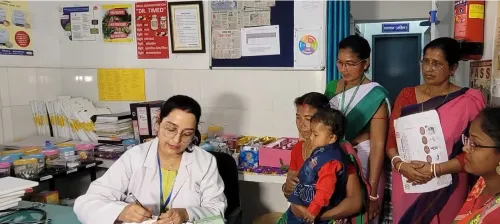
Implementing this programme on a large scale may necessitate challenging trade-offs, including cuts to educational and health funding, the report highlighted.
“A reduction in education and health funding would be a shortsighted choice, undermining the country’s potential for growth,” the report cautioned.
Moreover, diminishing funds for the Annual Development Programme (ADP) could decelerate infrastructure development, thereby impacting manufacturing capabilities.
Discussions surrounding the Family Card programme have predominantly concentrated on its benefits, with insufficient consideration of the opportunity costs involved, the report pointed out.
The report advocates for the government to view this launch as a chance to reform the entire social welfare structure rather than merely adding “another layer of inefficiency to an already faltering system.”
“Currently, Bangladesh operates around 140 social protection programmes across 26 ministries, which have been widely criticized for their inclusion and exclusion inconsistencies,” the report stated, highlighting a significant flaw in the Family Card programme’s design.
If funds are misallocated to individuals who do not genuinely need assistance, the programme risks becoming wasteful, the report warned.
“It may be more beneficial to allocate these funds towards initiatives that promise long-term benefits, such as those that integrate early childhood nutrition with effective communication and skill training,” it suggested.
The report referenced a recent study indicating that cash transfers offer only temporary relief from poverty, while combining cash with supportive services like nutrition education could yield sustainable poverty solutions.
aar/na
Point of View
I believe that while the Family Card programme aims to support vulnerable families, it is crucial to evaluate its long-term sustainability and impact on other essential services. A balanced approach is necessary to ensure the wellbeing of all citizens without compromising the country's fiscal health.
NationPress
25 Sept 2026
Frequently Asked Questions
What is the Family Card programme in Bangladesh?
The Family Card programme is an initiative aimed at providing a monthly allowance of 2,500 (local currency) to vulnerable families in Bangladesh.
What are the potential risks associated with this programme?
The programme may lead to significant fiscal strain and could necessitate cuts to education and health budgets, affecting overall social welfare.
What does the report suggest regarding funding priorities?
The report suggests that the government should consider reallocating funds towards long-term beneficial programmes rather than adding inefficiency to the current welfare system.
How does the current tax-to-GDP ratio affect the programme?
Bangladesh's low tax-to-GDP ratio limits the government's ability to take on new recurring financial commitments, placing further strain on the budget.
What alternatives to cash transfers does the report recommend?
The report advocates for combining cash transfers with complementary services, such as nutrition education, to provide a more sustainable solution to poverty.