Afghanistan malnutrition crisis: Southern hospitals overwhelmed as 19.2 million face hunger
Synopsis
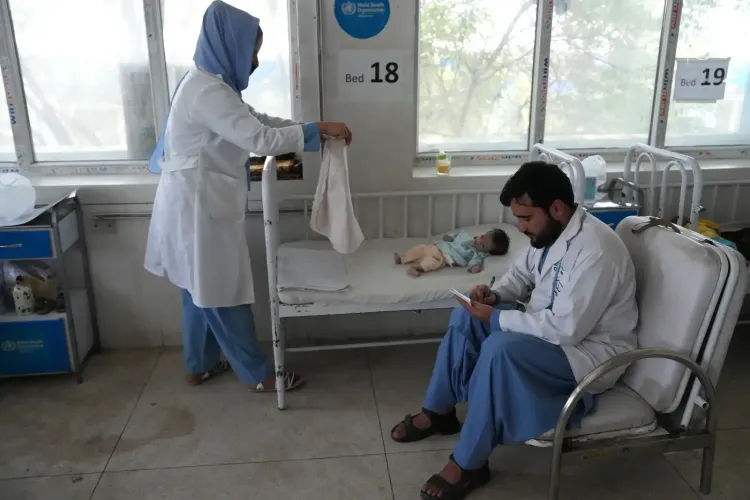
Southern Afghanistan's hospitals are running out of beds as OCHA confirms a surge in severe malnutrition cases. With 19.2 million people facing acute food insecurity this winter — five million at emergency hunger levels — and malnutrition cases set to hit four million in 2027, the crisis is being compounded by mass deportations, shipping disruptions, and a collapse in humanitarian funding.
Key Takeaways
OCHA confirmed on 4 November 2026 that hospitals in southern Afghanistan are reporting overcrowded wards due to surging severe malnutrition cases.
Approximately 19.2 million people (38% of the population) are projected to face acute food insecurity during the November–April 2026–27 lean season, up from 17.4 million the previous year.
Around five million people face IPC Phase 4 emergency hunger — double the April–September 2026 figure.
Malnutrition cases are forecast to rise 10% to four million in 2027, a quarter of which are severe and life-threatening.
UNICEF reported in August that 3.7 million children are acutely malnourished, with some hospitals hosting three to four severely malnourished children per available bed.
Key drivers include the forced return of over 1.2 million Afghans , trade disruptions via the Strait of Hormuz , and sharp shortfalls in humanitarian funding.
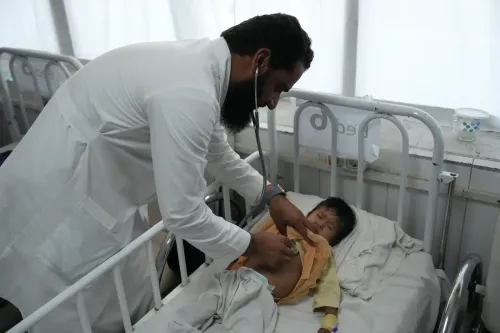
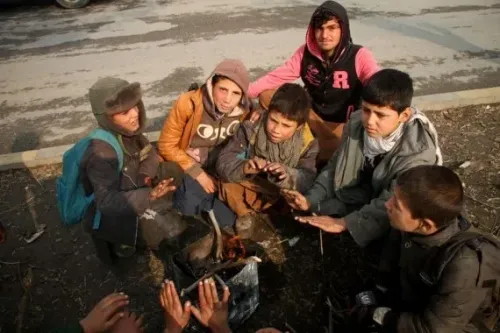
Hospitals and health facilities in southern Afghanistan are reporting overcrowded wards and a sharp rise in hospitalisations for severe malnutrition, the United Nations Office for the Coordination of Humanitarian Affairs (OCHA) said on Wednesday, 4 November 2026. The warning comes as humanitarian organisations operating in the country continue to face a critical reduction in resources, compounding an already dire food security situation.
Scale of the Crisis
In October, the Food and Agriculture Organisation (FAO) and the World Food Programme (WFP) jointly projected that nearly 40 per cent of Afghanistan's population will face high levels of acute food insecurity this winter. The two UN agencies, citing the latest Integrated Food Security Phase Classification (IPC) analysis, estimated that approximately 19.2 million people — or 38 per cent of the population — will confront high levels of acute food insecurity during the November–April lean season, up from 17.4 million projected for the same period a year earlier.
Around five million of those affected are expected to face emergency levels of hunger classified as IPC Phase 4 — double the number projected for the April–September 2026 period. Conditions are expected to be worst in the provinces of Badakhshan, Badghis, Daykundi, Ghor, Samangan, Sar-e-Pol, and rural Ghazni.
Children and Women Most at Risk
Malnutrition cases are forecast to rise by nearly 10 per cent compared to 2026, reaching four million. A quarter of those cases are considered severe and life-threatening, according to the FAO and WFP. Prevention and treatment services are struggling to keep pace, leaving women and children the most exposed.
Earlier, in August, the United Nations Children's Fund (UNICEF) reported that 3.7 million children in Afghanistan are acutely malnourished, including approximately one million with life-threatening severe acute malnutrition. UNICEF noted that several hospitals in southern Afghanistan were accommodating three or four severely malnourished children for every available bed.
Drivers Behind the Deterioration
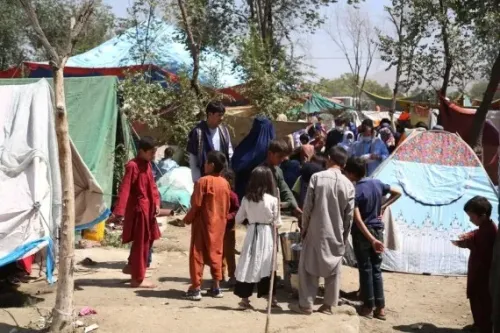
The crisis has been triggered by a convergence of shocks. The forced return of more than 1.2 million Afghans from Iran and Pakistan this year has strained local resources. Border closures and shipping disruptions through the Strait of Hormuz have pushed up prices of basic goods. Meanwhile, sharp funding shortfalls for humanitarian aid have constrained relief operations across the country.
Notably, the FAO and WFP acknowledged that favourable rainfall had boosted crop production in 2026, yet persistent unemployment means many families who do not grow their own food remain unable to afford a nutritious diet — illustrating that production gains alone cannot resolve a crisis rooted in structural poverty and displacement.
What Happens Next
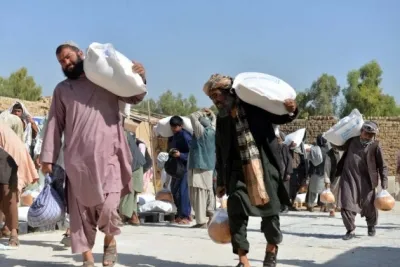
Humanitarian agencies are calling for urgent restoration of funding and unimpeded access, warning that without intervention, the number of life-threatening malnutrition cases will continue to climb through 2027. The OCHA has flagged that the resource gap is undermining the capacity of aid organisations to respond even as conditions on the ground worsen.
Point of View
And what coverage tends to gloss over, is that improved crop production in 2026 did nothing to reduce hunger, because the problem is not supply — it is purchasing power, displacement, and a funding pipeline that has been quietly gutted. The forced deportation of 1.2 million Afghans from Iran and Pakistan has injected a mass-displacement shock into an already fragile system, yet that dimension rarely features in headlines. With 2027 projections worse than 2026, the trajectory is unambiguous; the question is whether donor governments will act before the death toll becomes impossible to ignore.
NationPress
4 Nov 2026
Frequently Asked Questions
How severe is the malnutrition crisis in southern Afghanistan?
Hospitals in southern Afghanistan are reporting overcrowded wards with more patients hospitalised for severe malnutrition than available beds can accommodate, according to OCHA. UNICEF separately reported in August that some facilities were housing three to four severely malnourished children per bed.
How many people in Afghanistan face food insecurity this winter?
Approximately 19.2 million people — 38 per cent of Afghanistan's population — are projected to face high levels of acute food insecurity during the November–April 2026–27 lean season, according to the FAO and WFP. This is up from 17.4 million projected for the same period a year earlier.
What is IPC Phase 4 and how many Afghans are in it?
IPC Phase 4, classified as 'emergency' hunger, is the second-worst category in the Integrated Food Security Phase Classification scale. Around five million Afghans are expected to fall into this category during the current lean season — double the number recorded for the April–September 2026 period.
Why is Afghanistan's food crisis worsening despite better crops in 2026?
Favourable rainfall boosted crop production in 2026, but persistent unemployment means many families who do not grow their own food still cannot afford a nutritious diet. Additional shocks include the forced return of over 1.2 million Afghans from Iran and Pakistan, border closures, shipping disruptions through the Strait of Hormuz, and sharp reductions in humanitarian funding.
Which provinces in Afghanistan are worst affected?
The worst conditions are projected in Badakhshan, Badghis, Daykundi, Ghor, Samangan, Sar-e-Pol, and rural Ghazni, according to the FAO and WFP's IPC analysis released in October.