Jaishankar at UN: wars hitting food, fuel costs in distant nations
Synopsis
At the UN General Assembly, India's External Affairs Minister Jaishankar delivered a pointed warning: wars fought thousands of kilometres away are hiking food and energy prices for the world's most vulnerable nations. Leaders from the Caribbean, Indian Ocean and Africa backed the call — signalling that the economic cost of geopolitical conflict is becoming the developing world's defining multilateral demand.
Key Takeaways
Jaishankar told the UN General Assembly on 27 September 2026 that distant wars were driving up food, fuel, fertiliser, finance and commerce costs for developing nations.
India called for restraint, de-escalation and protection of ships and seafarers amid the Ukraine war and Gulf hostilities.
Dominican Republic President Luis Abinader , Comoros President Azali Assoumani and Maldives VP Hussain Mohamed Latheef echoed the warning, citing Strait of Hormuz disruptions.
Portugal PM Luís Montenegro called the energy and fuel fallout 'collective masochism' and demanded a halt to attacks on merchant ships and civilian infrastructure.
Latvia 's President Edgars Rinkēvičs warned: 'What happens in Ukraine does not stay in Ukraine.' India imports most of its crude oil, making disruptions to global trade routes a direct pressure on domestic transport, farming and consumer prices.
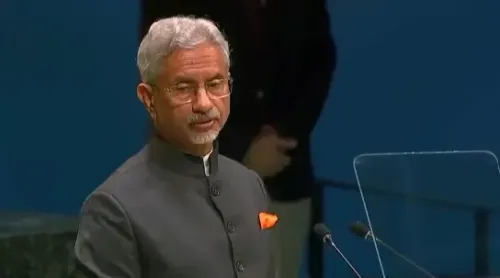
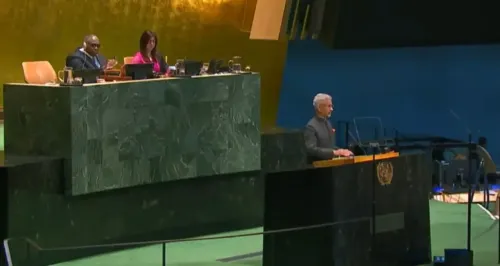
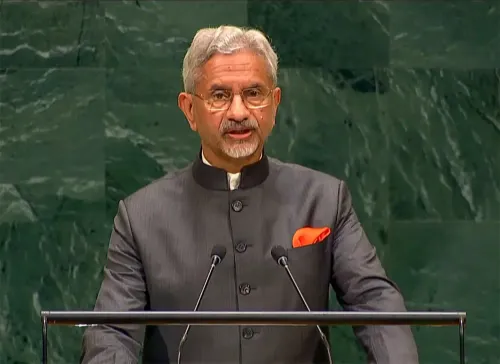
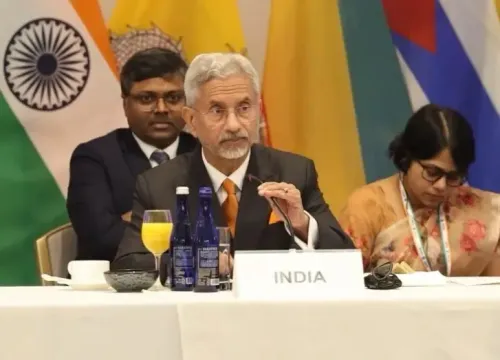
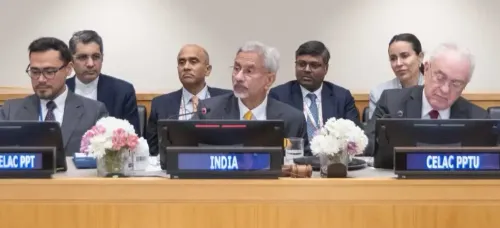
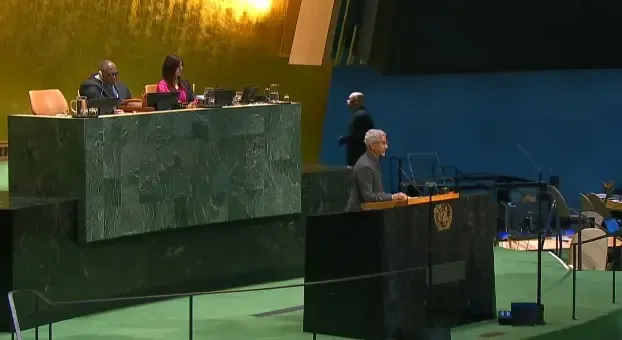
External Affairs Minister S. Jaishankar told the UN General Assembly on 27 September 2026 that conflicts far from developing countries' borders were nevertheless driving up food and energy prices, disrupting trade routes, and penalising nations that have little say over those wars. India's warning was echoed by leaders from the Caribbean, the Indian Ocean and Africa across several days of the General Debate.
Jaishankar's Core Argument
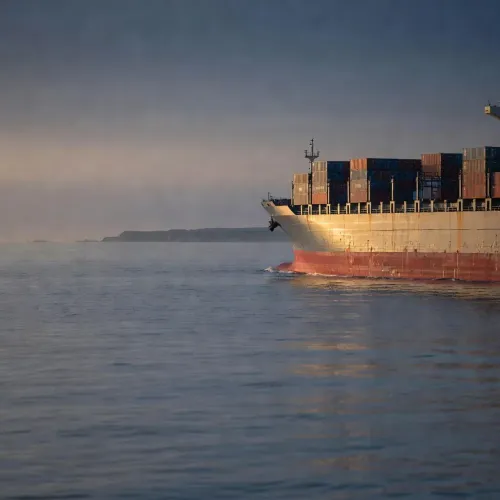
'Those most impacted often have the least say,' Jaishankar told the Assembly. He said the failure to maintain peace was weakening security, threatening progress and slowing development, with the effects falling most heavily on the Global South. India expressed concern over the war in Ukraine and continuing hostilities in the Gulf, calling for restraint, de-escalation and uninterrupted flows of energy and commerce — including the protection of ships and seafarers.
Voices from the Developing World
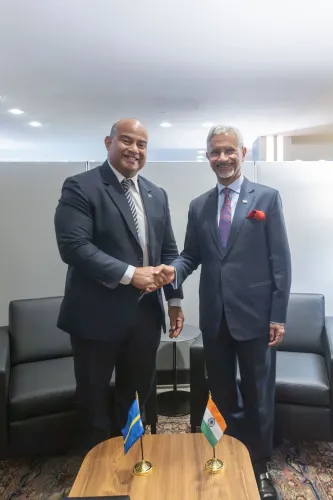
Dominican Republic President Luis Abinader said wars in Europe and the Middle East were 'far away from our coasts' but directly affected domestic food and energy prices. He called for de-escalation, freedom of navigation and diplomatic efforts to prevent further conflict. Comoros President Azali Assoumani warned that the Middle East war and the paralysis of the Strait of Hormuz had produced a global shock, threatening food and energy security in vulnerable, import-dependent nations and pushing the Sustainable Development Goals further out of reach.
Maldives Vice President Hussain Mohamed Latheef said insecurity now travelled through sea lanes, supply chains, financial markets and digital networks. Disruption of maritime traffic through the Strait of Hormuz was raising fuel prices, affecting food supplies and air travel, and feeding into tourism and public finances in a country that depends heavily on imports and international travel. Latheef also cautioned that competition among major powers in the Indian Ocean should not restrict the choices available to smaller states.
European Perspectives
Portugal Prime Minister Luís Montenegro said wars were undermining the international order and reducing the prospects for prosperity. 'Everyone is being harmed' by the resulting energy and fuel crisis, he said, adding: 'We must put an end to this collective masochism.' Montenegro called for attacks on neighbouring countries, merchant ships and civilian infrastructure to cease, and for international discussion on mechanisms influencing oil prices.
Latvia's President Edgars Rinkēvičs widened the argument beyond immediate economic costs. 'What happens in Ukraine does not stay in Ukraine; what happens in the Middle East, in the Red Sea, and in Sudan does not stay there,' he said, underscoring that higher transport, energy and insurance costs move through supply chains and eventually reach households thousands of kilometres away.
Why This Matters for India
India imports most of its crude oil and depends on international trade routes for energy, fertiliser and other critical commodities. Changes in global fuel and freight prices feed directly into transport, farming and consumer costs, making distant conflicts an immediate economic concern for Indian households. This comes amid sustained pressure on the rupee and elevated global freight insurance premiums tied to Red Sea and Gulf disruptions. Notably, India's position at the UN aligns with its broader Global South advocacy — a diplomatic thread running through its G20 presidency and subsequent multilateral engagements.
The convergence of warnings from small island states, African nations and South Asian countries at the General Debate signals that the economic cost of geopolitical conflict is fast becoming a central demand on the multilateral agenda — one that is unlikely to recede until the underlying hostilities do.
Point of View
New Delhi repositions itself not merely as a peace advocate but as the voice of every import-dependent developing nation. Yet the argument carries a tension — India has refused to condemn the Russia-Ukraine war by name, even as it decries the war's economic fallout. That contradiction is conspicuous in a speech about accountability and impact. The broader coalition of Caribbean, African and Indian Ocean voices suggests the Global South is moving toward a more organised multilateral front on conflict economics — but without enforcement mechanisms, these warnings risk becoming an annual ritual at the General Debate rather than a driver of real policy change.
NationPress
27 Sept 2026
Frequently Asked Questions
What did EAM Jaishankar say at the UN General Assembly?
EAM S. Jaishankar told the UN General Assembly on 27 September 2026 that countries distant from active wars were being penalised through disruptions to food, fuel, fertiliser, finance and commerce, stating that 'those most impacted often have the least say.' He called for restraint, de-escalation and the protection of ships and seafarers.
Which conflicts did India and developing nations highlight at the UN?
Speakers pointed primarily to the war in Ukraine and ongoing hostilities in the Gulf and the Middle East, warning that disruptions to the Strait of Hormuz were causing fuel price spikes and food supply shortages far beyond the conflict zones.
Why does the UN General Debate warning matter for India?
India imports the majority of its crude oil and relies on international trade routes for energy, fertiliser and critical commodities. Any rise in global fuel and freight costs directly feeds into domestic transport, farming and consumer prices, making these distant conflicts an immediate economic concern for Indian households.
Which other countries echoed India's warning at the UN?
Leaders from the Dominican Republic, Comoros, Maldives, Portugal and Latvia all raised similar concerns, arguing that higher transport, energy and insurance costs from ongoing wars were moving through global supply chains and reaching households thousands of kilometres from the fighting.
What did Portugal's PM mean by 'collective masochism' at the UN?
Portugal Prime Minister Luís Montenegro used the phrase to describe how the international community was allowing wars to continue unchecked despite the shared economic damage — including rising energy and fuel prices — being inflicted on everyone, and called for a coordinated international response to end the harm.