Iran envoy: Ceasefire commitment firm, but sovereignty is our red line
Synopsis
Iran's Ambassador to India has drawn a clear line: Tehran wants diplomacy, but will match any military aggression with equal or greater force. With the April 8 ceasefire reportedly under strain from alleged US violations and peace talks in Pakistan having stalled, Fathali's interview reveals a Tehran that is simultaneously signalling deterrence and keeping the diplomatic door ajar.
Key Takeaways
Iran's Ambassador Mohammad Fathali reaffirmed Tehran's ceasefire commitment in an interview in New Delhi on 5 June .
Fathali accused US forces of repeatedly violating the 8 April ceasefire , saying Iranian forces responded in self-defence.
He warned that any attack on Iran will be met with a reciprocal response , and if necessary, with greater severity .
The conflict began after US-Israeli strikes on 28 February reportedly killed Supreme Leader Ayatollah Ali Khamenei and top military officials.
Iran-US peace talks held in Pakistan on 11–12 April failed to yield an agreement; both sides have since exchanged proposed frameworks.
Fathali expressed readiness for engagement based on mutual respect , contingent on the US honouring its commitments.
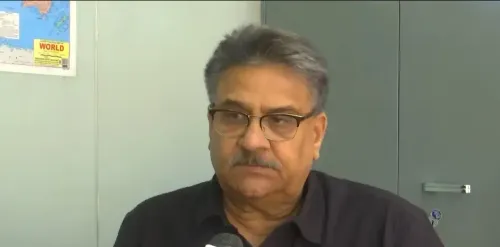
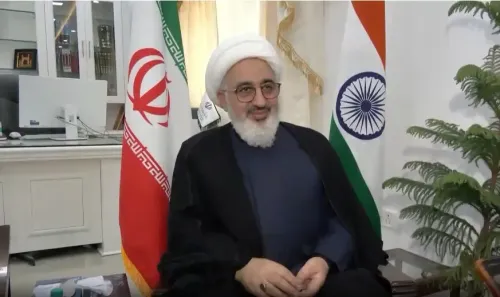
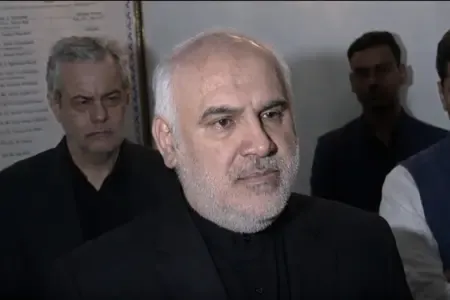
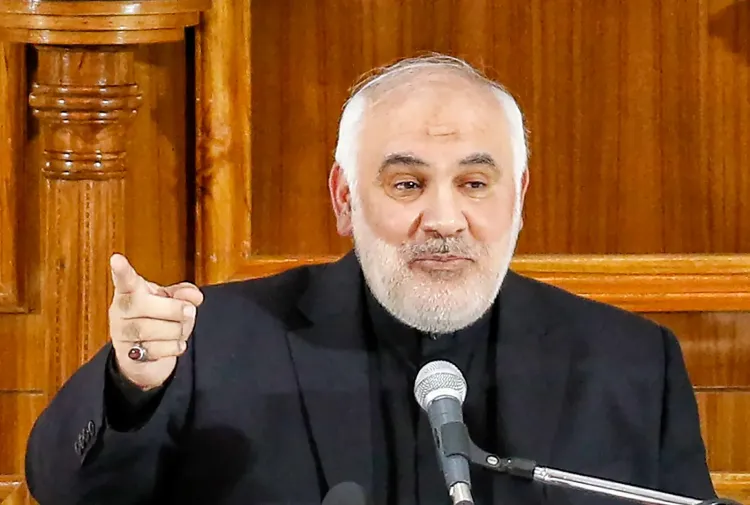
Iran's Ambassador to India, Mohammad Fathali, on Friday, 5 June reaffirmed Tehran's commitment to the ceasefire while issuing a pointed warning: any attack on Iranian territory will be met with a reciprocal response — and, if necessary, with greater severity. Speaking in an exclusive interview in New Delhi, Fathali stated that Iran's national security and sovereignty constitute an absolute red line that will not be compromised under any circumstances.
Iran's Position on the Ceasefire
Fathali was unambiguous about where Iran stands. 'We have previously declared that we are prepared for both war and peace. We welcome dialogue and negotiation, and we firmly believe that disputes and differences can be resolved through diplomacy,' he said. He added that the Islamic Republic of Iran has not initiated any war or tension, stressing that Tehran has 'consistently emphasised political and peaceful solutions.'
However, he accused US forces of repeatedly violating the April 8 ceasefire in recent days. 'Consequently, Iranian military forces have responded to these attacks within the framework of their legitimate right to self-defence,' he said, maintaining that Iran's actions were defensive in nature.
Background: How the Conflict Began
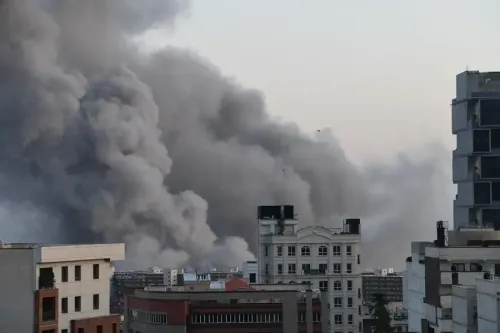
The ongoing hostilities in West Asia escalated sharply after US-Israeli strikes on Iran on 28 February, which, according to reports, killed Iran's Supreme Leader Ayatollah Ali Khamenei and several top military officials. Iran responded with drone and missile strikes targeting US and Israeli facilities, regional capitals, and allied forces across West Asia.
A ceasefire was reached on 8 April after 40 days of fighting. Iranian and US delegations subsequently held their first round of peace talks in Pakistan on 11 and 12 April, which failed to produce an agreement. Since then, both sides have reportedly exchanged several proposed frameworks outlining conditions for ending the conflict.
Iran's Message to the US and International Community
On the question of what message Iran wishes to convey globally, Fathali drew on history. 'Iran is a country with a civilization spanning over seven thousand years, which throughout history has always been a messenger of peace, coexistence, and friendship among nations,' he said. He noted that Iran has not initiated any war in more than three centuries.
'Sustainable peace, stability, and security can only be achieved through respect for the rights of nations, adherence to the principles of international law, and equal, constructive dialogue,' he added. Fathali expressed hope that the United States would 'accept the reality of a powerful, independent Iran that holds an important regional and international standing' and recognise the legitimate rights of the Iranian nation.
Diplomatic Path Forward
Despite the hardened rhetoric, Fathali indicated that a diplomatic resolution remains possible. He stressed Iran's readiness for 'engagement and cooperation based on mutual respect and shared interests,' but conditioned progress on the opposing party abiding by its commitments and refraining from further ceasefire violations. The ambassador's remarks signal that Tehran is holding two tracks simultaneously — a firm deterrent posture and an open door for diplomacy — as the region watches whether the fragile truce can hold.
Point of View
It shifts the narrative of who bears responsibility for renewed tensions. What is striking is the ambassador's choice of New Delhi as the venue for this message — India's non-aligned posture and growing ties with both Washington and Tehran make it a useful sounding board. The real question is whether the proposed 'frameworks' being exchanged behind closed doors have any traction, or whether both sides are managing a slow-motion breakdown of the truce.
NationPress
29 Jul 2026
Frequently Asked Questions
What did Iran's ambassador to India say about the ceasefire?
Ambassador Mohammad Fathali reaffirmed Iran's commitment to the 8 April ceasefire but accused US forces of repeatedly violating it in recent days. He said Iranian forces responded within their legitimate right to self-defence, while keeping the door open for diplomacy.
What is Iran's red line in the current West Asia conflict?
Iran's national security and sovereignty are its stated red line, according to Fathali. He warned that any attack or aggression against Iranian territory will be met with a reciprocal response at the same level, and if necessary, with greater severity.
How did the Iran-US conflict begin?
The conflict escalated after US-Israeli strikes on Iran on 28 February, which reportedly killed Supreme Leader Ayatollah Ali Khamenei and top military officials. Iran responded with drone and missile attacks on US and Israeli facilities and allied forces across West Asia.
What happened at the Iran-US peace talks in Pakistan?
Iranian and US delegations held their first round of peace talks in Pakistan on 11 and 12 April 2025, following the 8 April ceasefire, but failed to reach an agreement. Both sides have since reportedly exchanged several proposed frameworks for ending the conflict.
What is Iran's message to the international community?
Fathali stated that sustainable peace can only be achieved through respect for nations' rights, international law, and equal dialogue. He called on the US to recognise Iran's regional standing and the legitimate rights of the Iranian people, and expressed readiness for cooperation based on mutual respect.