Iran strikes US assets at Sheikh Isa Air Base in Bahrain
Synopsis
Iran has simultaneously struck US military assets in Bahrain, Kuwait, and Jordan in a single day — a calculated geographic widening of its conflict with Washington. Combined with diplomatic pressure on Bulgaria and Cyprus to deny the US access to their bases, Tehran is fighting on both military and political fronts, raising the stakes for every US ally in the region.
Key Takeaways
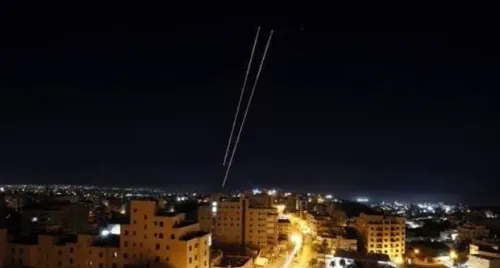
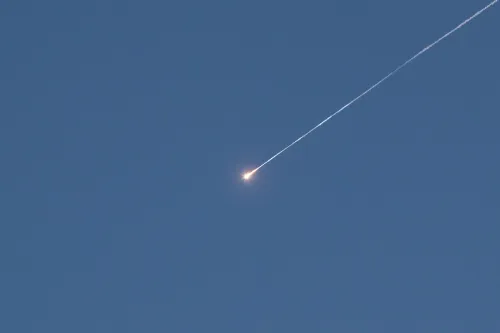
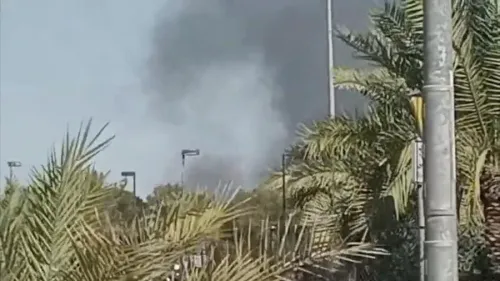
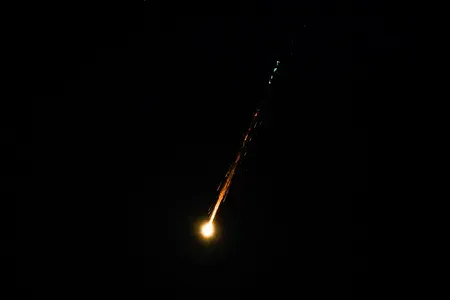
The Iranian army launched drone strikes on US facilities at Sheikh Isa Air Base in southern Bahrain on 31 July , targeting power generators, navigation systems, and office buildings.
The IRGC separately struck US assets at Ali Al Salem Air Base in Kuwait and Al-Azraq Air Base in Jordan the same day.
Iran said the strikes were in retaliation for fresh US strikes against Iran on Wednesday night .
Foreign Minister Araghchi urged Bulgaria and Cyprus not to allow the US to use their military bases for operations against Iran, citing UN Resolution 3314 .
Bulgaria said it does not intend to participate in war against Iran; Cyprus contacted Britain to ensure its bases would not be used against any country.
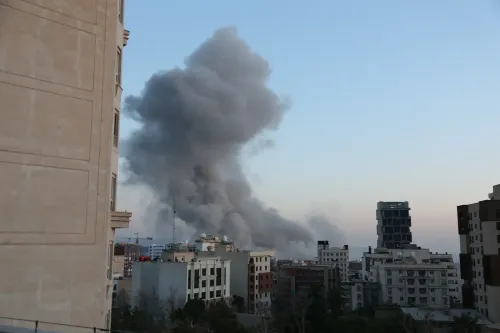
The Iranian army on Thursday, 31 July confirmed it launched drone strikes against US military facilities at Sheikh Isa Air Base in southern Bahrain, targeting power generators, navigation systems, and office and backup buildings. The strikes mark a sharp escalation in the ongoing military exchange between Tehran and Washington following days of relative quiet.
What Was Struck and How
According to a statement published on the Iranian army's official website, the drone attacks were directed at the US military's power generators, navigation systems, and office and backup buildings at the Bahraini base. The Iranian army did not specify the scale of damage or casualties in its initial statement.
Earlier the same day, Iran's Islamic Revolutionary Guard Corps (IRGC) separately claimed strikes against US assets at Ali Al Salem Air Base in Kuwait and Al-Azraq Air Base in Jordan — broadening the theatre of operations across multiple US-allied nations in the region.
How the Latest Escalation Unfolded
The strikes came in direct response to fresh US strikes against Iran on Wednesday night, snapping a pause in hostilities that had lasted several days. Before that pause, the United States had launched multiple waves of strikes against Iranian targets, citing Iran's alleged attacks on vessels in the Strait of Hormuz and stating the aim was to 'degrade Iran's ability to threaten commercial shipping.'
Iran had previously responded with missile and drone attacks targeting US military bases and facilities across the region. This cycle of strike and counter-strike has now extended to at least three countries — Bahrain, Kuwait, and Jordan — in a single day.
Iran's Diplomatic Offensive in Europe
Parallel to the military action, Iranian Foreign Minister Seyed Abbas Araghchi on Thursday pressed Bulgaria and Cyprus not to permit the United States to use military installations on their soil for attacks against Iran.
In a call with Bulgarian Foreign Minister Velislava Petrova, Araghchi said Bulgaria's parliamentary approval of US tanker aircraft deployment at Bezmer Air Base to support what he described as 'aggressive operations against Iran' violates international law and bilateral relations. He invoked UN General Assembly Resolution 3314, which defines making territory available for aggression against a third state as itself an act of aggression. Petrova stated that Bulgaria has no intention of participating in war against Iran and supports diplomatic efforts to reduce regional tensions.
In a separate call with Cypriot Foreign Minister Constantinos Kombos, Araghchi urged Nicosia to prevent the 'abuse' of foreign bases in Cyprus for 'aggression' against Iran. Kombos said Cyprus had contacted Britain to ensure that British bases on Cypriot territory would not be used against any country.
Regional and Strategic Implications
The simultaneous targeting of US bases across Bahrain, Kuwait, and Jordan signals a deliberate Iranian strategy to widen the conflict's geographic footprint, raising the stakes for US allies across the Middle East. The diplomatic outreach to European nations with US base agreements suggests Tehran is also seeking to constrain Washington's operational reach through political pressure.
With no ceasefire framework publicly in place, the trajectory of the conflict will depend heavily on whether either side signals a willingness to de-escalate — or whether the next US response triggers another round of Iranian retaliatory strikes.
Point of View
Kuwait, and Jordan, Tehran is signalling that every US forward base in the region is a legitimate target, dramatically raising the cost calculus for Washington's allies. The parallel diplomatic push to Bulgaria and Cyprus reveals a second front: Iran is trying to shrink the US's operational geography through political pressure on European hosts. What mainstream coverage underplays is that the invocation of UN Resolution 3314 is legally pointed — it gives Tehran a multilateral framing for what is otherwise a bilateral military confrontation, and it puts smaller US-allied states in an uncomfortable position. The absence of any public ceasefire framework means this escalation ladder has no visible ceiling.
NationPress
25 Nov 2026
Frequently Asked Questions
What did Iran strike at Sheikh Isa Air Base in Bahrain?
The Iranian army said it launched drone strikes targeting US military power generators, navigation systems, and office and backup buildings at Sheikh Isa Air Base in southern Bahrain on 31 July. The strikes were announced via an official army statement on its website.
Why did Iran launch these strikes?
Iran said the strikes were in direct retaliation for fresh US strikes against Iranian targets carried out on Wednesday night. The broader conflict stems from earlier US strikes aimed at degrading Iran's ability to threaten commercial shipping in the Strait of Hormuz, which Iran answered with missile and drone attacks on US bases across the region.
Which other US bases did Iran target on the same day?
The IRGC claimed separate strikes on US assets at Ali Al Salem Air Base in Kuwait and Al-Azraq Air Base in Jordan on the same day, widening the conflict's geographic scope to at least three countries in a single day.
What was Iran's message to Bulgaria and Cyprus?
Iranian Foreign Minister Seyed Abbas Araghchi urged both countries not to allow the US to use military bases on their territories for operations against Iran. He cited UN General Assembly Resolution 3314, which defines making territory available for aggression against a third state as an act of aggression itself.
How did Bulgaria and Cyprus respond to Iran's warnings?
Bulgarian Foreign Minister Velislava Petrova said Bulgaria has no intention of participating in a war against Iran and supports diplomacy to reduce regional tensions. Cyprus said it had contacted Britain to ensure that British bases on Cypriot territory would not be used against any country.