Oman, Iran push for Strait of Hormuz maritime security deal to end regional war
Synopsis
Even as Oman and Iran's foreign ministers pushed for a durable Strait of Hormuz maritime security deal on 5 November, the IRGC reported two supertanker fires — one after striking naval mines — and the seizure of two attack drones in the same waterway. Diplomacy and kinetic incidents are running on parallel tracks, and the gap between them is narrowing.
Key Takeaways
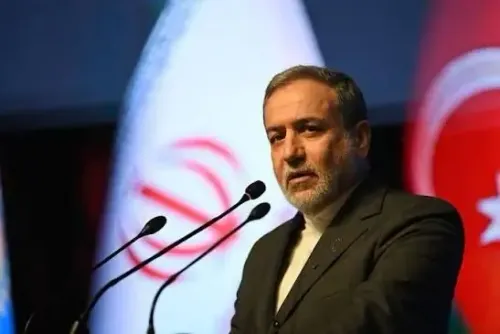
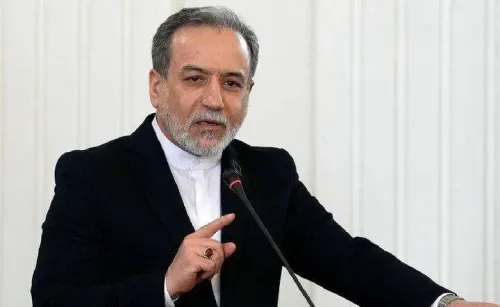
Omani FM Sayyid Badr bin Hamad Al Busaidi and Iranian FM Seyed Abbas Araghchi spoke on 5 November 2026 , calling for sustainable maritime security understandings in the Strait of Hormuz .
Both ministers said arrangements must include joint technical mechanisms for unimpeded international trade and energy flows, and must end the ongoing state of war.
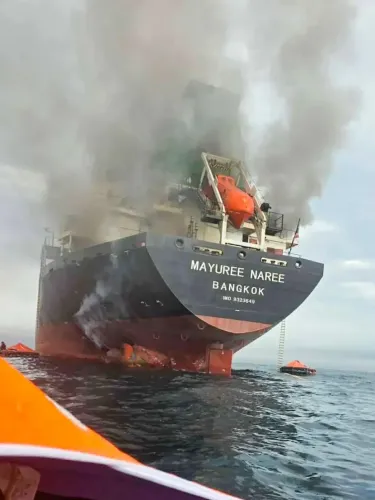
The IRGC reported three vessels , including two supertankers , caught fire in two separate incidents while transiting an 'illegal' southern route through the strait.
One tanker reportedly struck naval mines ; a tugboat sent to assist also caught fire.
The IRGC said its electronic warfare unit seized two uncrewed combat drones and landed them unharmed.
The IRGC accused the United States of enticing vessels onto the mined route, imposing heavy insurance costs on American taxpayers and regional allies.
Oman and Iran on Thursday, 5 November 2026, jointly called for durable maritime security arrangements to restore unimpeded navigation through the Strait of Hormuz, end the ongoing state of war, and prevent fresh military confrontations across the region. The diplomatic push came as separate incidents involving vessel fires and drone seizures in the strait underlined the urgency of a negotiated settlement.
Ministerial Call and Key Demands
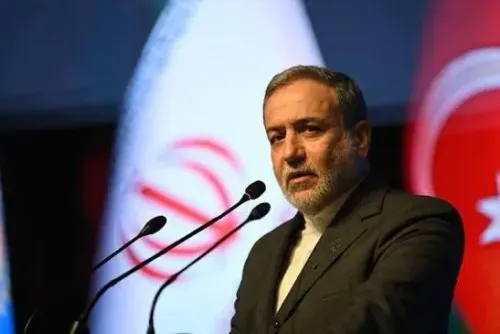
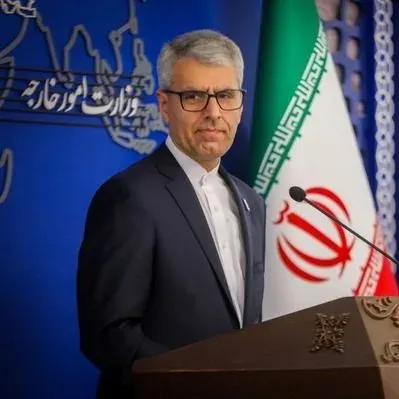
Omani Foreign Minister Sayyid Badr bin Hamad Al Busaidi and his Iranian counterpart, Seyed Abbas Araghchi, spoke by phone to review the latest contacts and talks aimed at reaching workable understandings. According to the Oman News Agency, the two ministers said any framework must be grounded in practical arrangements to ensure the safety of maritime corridors, alongside joint technical mechanisms to secure the unimpeded flow of international trade and energy shipments.
The ministers further stressed that such understandings must respect national sovereignty and the legitimate interests of all parties, while simultaneously creating conditions for renewed dialogue on the deeper issues driving regional escalation.
Incidents at the Strait of Hormuz
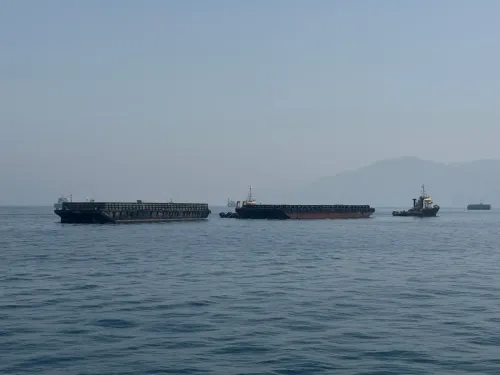
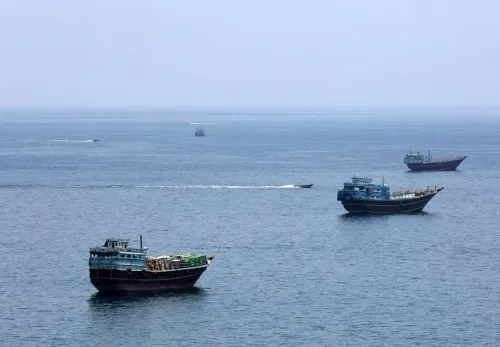
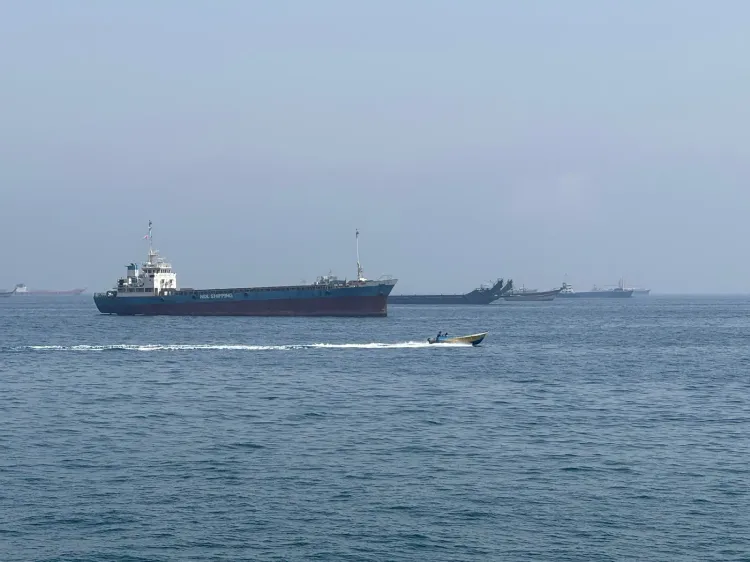
On the same day, Iran's Islamic Revolutionary Guard Corps (IRGC) reported that three vessels — including two supertankers — caught fire in two separate incidents the previous night while transiting the Strait of Hormuz through what the IRGC described as an 'illegal and unauthorised' southern route. The IRGC announced the incidents via its official media outlet, Sepah News.
In the first incident, an oil tanker reportedly caught fire after striking naval mines while navigating the designated 'illegal' route. In a second incident, another oil tanker caught fire east of the waterway while exiting the strait along the same corridor; a tugboat dispatched to help contain the blaze also caught fire, according to the IRGC statement.
Separately, the IRGC said its naval electronic warfare unit seized control of two 'invading' low-cost uncrewed combat attack drones and landed them unharmed — without specifying their origin.
IRGC Blames US for Insurance Costs and Route Violations
The IRGC directly accused the United States government of imposing what it called 'very heavy' insurance costs on American taxpayers and regional allies by allegedly encouraging vessels to pass through the mined southern corridor. Washington has not publicly responded to those specific allegations.
Notably, this combination of diplomatic outreach and simultaneous military incidents reflects the dual-track dynamic that has characterised the Hormuz crisis: back-channel negotiations proceeding even as kinetic incidents continue to reshape conditions on the water.
Why the Strait of Hormuz Matters
The Strait of Hormuz is one of the world's most critical energy chokepoints, through which roughly 20% of global oil trade passes. Any sustained disruption has immediate consequences for international crude prices, global shipping insurance rates, and energy security in importing nations, including India, which sources a significant share of its oil from the Gulf. This is not the first time Oman has played a mediating role between Tehran and the broader international community; it has historically served as a quiet diplomatic back-channel between Iran and Western powers.
What Happens Next
No timeline has been set for formal talks, and the technical mechanisms both ministers referenced remain to be defined. The coming weeks will test whether the ministerial-level consensus can translate into a verifiable operational framework on the water — or whether continued incidents will erode the diplomatic ground gained.
Point of View
Yet converting phone-call consensus into a verifiable operational framework has historically proven difficult when the IRGC and its naval doctrine remain outside any formal accountability structure. The language of 'joint technical mechanisms' is promising but entirely undefined; without specifics on who monitors compliance, it risks becoming aspirational text in a communiqué. For India and other major Gulf energy importers, the absence of a binding arrangement keeps a tail risk on crude supply very much alive.
NationPress
5 Nov 2026
Frequently Asked Questions
What did Oman and Iran agree on regarding the Strait of Hormuz?
The two countries' foreign ministers agreed on the need for practical maritime security arrangements, including joint technical mechanisms, to ensure safe navigation through the Strait of Hormuz, end the state of war, and prevent renewed confrontations. No formal agreement or timeline has been announced yet.
What happened to vessels in the Strait of Hormuz on 4–5 November 2026?
Iran's IRGC reported that three vessels, including two supertankers, caught fire in two separate incidents while transiting what it called an illegal southern route through the strait. One tanker reportedly struck naval mines, and a tugboat sent to help also caught fire.
Why is the Strait of Hormuz so strategically important?
The Strait of Hormuz is a critical global energy chokepoint through which roughly 20% of international oil trade passes. Any sustained disruption affects crude prices, shipping insurance rates, and energy security for major importers including India.
What did the IRGC say about US involvement in the incidents?
The IRGC accused the US government of encouraging vessels to use the mined southern corridor, thereby imposing heavy insurance costs on American taxpayers and its allies in West Asia. Washington has not publicly responded to those specific allegations.
What role has Oman historically played between Iran and the West?
Oman has historically served as a quiet diplomatic back-channel between Iran and Western powers, including facilitating early nuclear negotiations. Its continued involvement reflects its unique position as a Gulf state that maintains open lines of communication with Tehran.