Pakistan's Afghan policy backfires as TTP, border tensions rise
Synopsis
The 'strategic depth' Pakistan spent decades building in Afghanistan may now be its biggest weakness. A Pressenza report says the Taliban's 2021 return brought Islamabad a defiant Kabul, a resurgent TTP and border clashes, including the 1 November firing that shut Torkham. It warns the fallout could reach Europe.
Key Takeaways
A Pressenza report says Pakistan's pursuit of strategic depth in Afghanistan has backfired.
The Taliban's return in 2021 brought an autonomous Afghan leadership and a resurgent TTP , not the alignment Islamabad expected.
Firing between Pakistani and Afghan border forces on 1 November 2026 shut the Torkham crossing for nearly five hours .
The report flags an apparent double standard: Pakistan demands respect for sovereignty while having shaped Kabul's politics in the past.
The report warns that prolonged instability could fuel terrorism, organised crime, drug trafficking and migration affecting Europe .
Pakistan's decades-long pursuit of strategic depth in Afghanistan has backfired and left Islamabad facing mounting security challenges, according to a report published by Pressenza – International Press Agency. The report argues that Pakistan must now confront both the fallout of its failed Afghanistan policy and the institutional thinking that produced it. It also warns that the instability could become a wider regional crisis with direct consequences for Europe.
Key Findings of the Report
The report says the Taliban's return to power in 2021 did not give Pakistan the strategic alignment it had expected. Islamabad instead faces an increasingly autonomous Afghan leadership, a resurgent Tehrik-i-Taliban Pakistan (TTP) and worsening insecurity along its western border.
“The latest escalation between Pakistan and Afghanistan exposes a strategic failure that Islamabad can no longer contain through military pressure or diplomatic manoeuvring,” the report stated. It added: “The central paradox is difficult to ignore: the strategic depth Pakistan sought in Afghanistan may have become one of its greatest strategic vulnerabilities.”
Torkham Closure Underscores Border Tensions
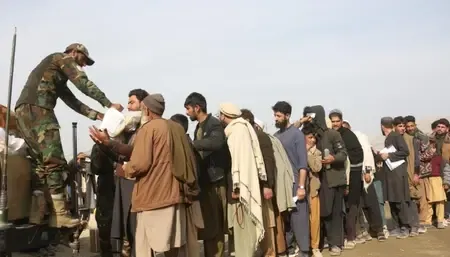
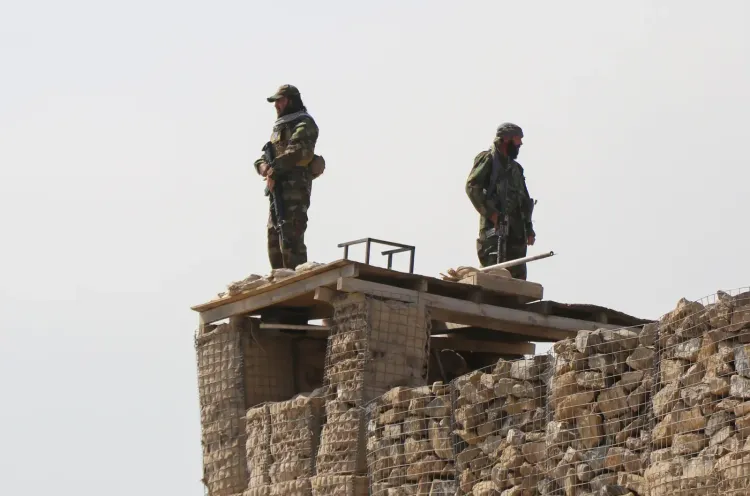
The report cites a recent flashpoint as evidence of the escalation. An exchange of fire between Pakistani and Afghan border forces on 1 November 2026 forced the Torkham crossing to shut for nearly five hours.
Torkham is one of the main trade and transit routes between the two countries. Even brief closures disrupt the movement of goods and people, which is why the incident carries weight beyond the border region.
Contradictions in Islamabad's Approach
The report points to what it describes as an apparent double standard in Pakistan's position. Islamabad insists that Afghanistan's sovereignty be respected and that militant attacks from Afghan soil be stopped. Yet, the report says, Pakistan's own historical approach has involved repeated efforts to shape Kabul's internal politics.
“Pakistan's military establishment has exercised considerable influence over regional policy for decades, yet the strategic costs have rarely produced a fundamental reassessment,” the report noted. It argued that Pakistan “cannot indefinitely claim the benefits of past interventions while treating their consequences as exclusively external security problems.”
The report also says that “a credible change of course requires more than military adjustments along the Afghan border: it demands a reassessment of the strategic doctrines that made the pursuit of strategic depth possible.”
Wider Risks for the Region and Europe
According to the report, the tensions go well beyond border disputes. Prolonged instability could trigger further displacement, hamper regional trade and give extremist groups room to grow.
The report identifies several knock-on risks for Europe:
- terrorism
- organised crime
- drug trafficking
- migration
For this reason, it says, the fallout has become a direct strategic concern for Europe rather than a distant foreign-policy issue.
“Pakistan now confronts the long-term costs of a security doctrine that repeatedly treated militancy as an instrument of statecraft,” the report observed. It added that military pressure “cannot resolve the underlying political contradictions.”
What Lies Ahead
The report concludes that Pakistan needs verifiable security arrangements, sustained diplomacy and a fundamental reassessment of its Afghanistan policy. Without these steps, it warns, Islamabad “risks remaining trapped in a cycle of retaliation and instability.” The direction of Pakistan-Afghanistan ties, and the stability of crossings such as Torkham, will be closely watched in the coming months.
Point of View
Not just its border deployments, needs rethinking. Little suggests that the military establishment is willing to do that. For New Delhi, an unstable western flank in Pakistan carries both risk and leverage, and the TTP's rise deserves close monitoring rather than quiet satisfaction.
NationPress
28 Nov 2026
Frequently Asked Questions
What does the report say about Pakistan's Afghanistan policy?
It says Pakistan's long pursuit of strategic depth in Afghanistan has backfired and created serious security challenges for Islamabad. According to the report, the Taliban's 2021 return produced an autonomous Kabul and a resurgent TTP, not the alignment Pakistan expected.
Why was the Torkham crossing closed in November 2026?
The Torkham crossing was shut for nearly five hours after Pakistani and Afghan border forces exchanged fire on 1 November 2026. The report cites the incident as evidence of escalating tensions between the two countries.
What is the Tehrik-i-Taliban Pakistan (TTP)?
The TTP is a militant group operating against the Pakistani state. The report describes it as resurgent since the Taliban returned to power in Afghanistan in 2021.
How could Pakistan-Afghanistan tensions affect Europe?
The report warns that prolonged instability could fuel terrorism, organised crime, drug trafficking and migration reaching Europe. It also flags risks of displacement and disrupted regional trade.
What does the report recommend for Pakistan?
It calls for verifiable security arrangements, sustained diplomacy and a fundamental reassessment of Pakistan's Afghanistan policy. Without these, it says, Pakistan risks remaining trapped in a cycle of retaliation and instability.