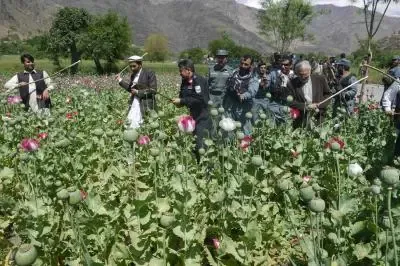
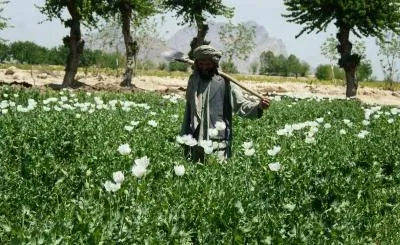
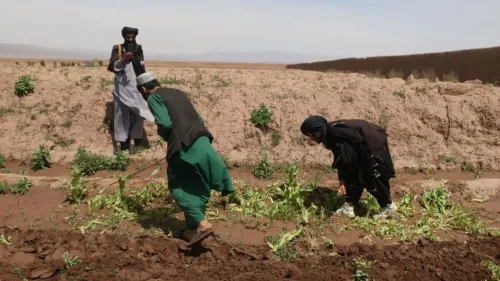
Poppy cultivation surges in Pakistan, Iran after Taliban's 2022 narcotics ban
Synopsis
The Taliban's 2022 narcotics ban didn't end opium production — it relocated it. Satellite data now shows over 9,000 hectares of poppy cultivation in Pakistan's Balochistan alone, with Iran's Sistan-Baluchistan emerging as a second front. Experts warn the tri-border region is hardening into a new global opium hub, with heroin supply and militant funding set to rise by 2027.
Key Takeaways
The Taliban's 2022 ban on illicit narcotics reduced opium output in Afghanistan but triggered a surge in neighbouring countries.
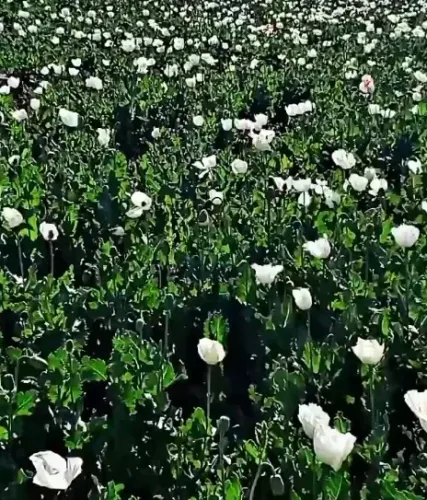
Satellite imagery from Alcis identified more than 9,000 hectares of poppy cultivation in Balochistan , concentrated in Loralai and Killa Abdullah districts.
Pakistan has officially denied widespread opium cultivation, but satellite data and farmer interviews contradict those claims.
Iran's Sistan-Baluchistan province is the main centre of opium cultivation in Iran, with Afghan farmers crossing the border as tenants and sharecroppers.
Expert David Mansfield warns of higher regional poppy cultivation in 2027 , threatening increased heroin supply, armed group funding, and violence.
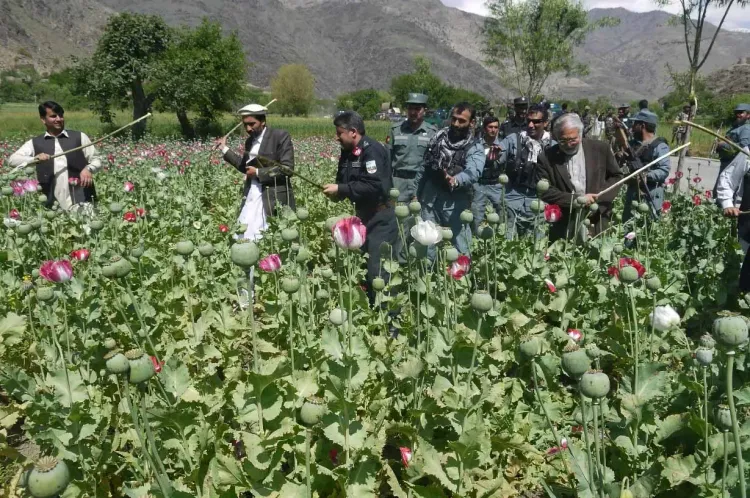
Opium poppy cultivation has risen sharply in Pakistan's Balochistan province and Iran's Sistan-Baluchistan province following the Taliban's 2022 ban on illicit narcotics in Afghanistan, according to a detailed report citing satellite imagery and interviews with local farmers. While Afghanistan's own opium output has declined since the ban, production has not been eradicated — it has, in large part, migrated across borders into the volatile tri-border region.
Key Developments
A report by Radio Free Europe/Radio Liberty (RFE/RL) found that both Balochistan and Sistan-Baluchistan — each sharing a border with Afghanistan — have witnessed a marked increase in poppy cultivation in recent years. The findings draw on satellite imagery from Alcis, a British firm specialising in satellite analysis, as well as direct interviews with farmers in the region.
David Mansfield, a leading UK-based expert on Afghanistan's illicit drugs industry, told RFE/RL that the Taliban ban, combined with growing instability in the tri-border area, 'has created the conditions for widespread poppy cultivation in Pakistan's Balochistan Province and parts of Iran.' Mansfield further described the remote and volatile areas spanning Afghanistan, Pakistan, and Iran as having become 'a global centre for opium production.'
Scale of Cultivation in Balochistan
Balochistan has reportedly emerged as the primary hub of opium cultivation in the Afghanistan-Pakistan-Iran border region. Mansfield, who authored an August 2026 report for Alcis, stated that 'satellite imagery assessments identified more than 9,000 hectares of poppy cultivation in Balochistan alone,' with the bulk concentrated in Loralai and Killa Abdullah districts.
Pakistani authorities have refuted these findings, contending that any poppy crops identified within the country have been eradicated. However, satellite data and farmer testimonies appear to contradict those claims, according to the report.
Iran's Growing Role in Opium Production
Iran has also seen a significant rise in poppy cultivation, partly driven by Afghan farmers who have crossed the border to cultivate poppies as tenants and sharecroppers. Provinces including Razavi Khorasan, Kermanshah, and Lorestan have recorded opium cultivation in recent years, with Sistan-Baluchistan identified as the main centre. Satellite imagery from 2026 confirmed poppy cultivation across several parts of the province.
Mansfield noted a critical behavioural shift: 'Unlike in Afghanistan, where they cultivated a variety of crops, these farmers are increasingly devoting large plots in Pakistan and Iran entirely to poppy.' With Iran's economy reportedly on the brink of collapse and state attention directed elsewhere amid ongoing conflict, experts warn that poppy cultivation there is set to expand further.
What Experts Are Warning About
Analysts project higher levels of poppy cultivation across the region in 2027, with potentially serious downstream consequences. These include a greater global supply of heroin, increased revenue for armed groups operating in the tri-border zone, and a rise in associated violence. The displacement of drug production from Afghanistan — rather than its elimination — underscores the limits of supply-side prohibition without coordinated regional enforcement.
What Comes Next
With Afghanistan's Taliban administration maintaining its domestic ban, the structural incentive for cultivation to continue shifting into Pakistan and Iran remains strong. Whether Islamabad and Tehran respond with enforceable counter-narcotics measures — or whether the tri-border region deepens into what experts are already calling a new global opium hub — will likely define the region's narcotics landscape through the end of the decade.
Point of View
Contradicted by satellite data from a credible British analytics firm, is a credibility problem Islamabad cannot sustain indefinitely. What is unfolding in the tri-border region is not merely a drugs story — it is a governance and security failure across three states simultaneously. The harder question is whether any international counter-narcotics framework is equipped to address a production zone that straddles sovereign borders where state authority is already thin.
NationPress
29 Oct 2026
Frequently Asked Questions
Why has poppy cultivation increased in Pakistan and Iran?
The Taliban's 2022 ban on illicit narcotics in Afghanistan reduced domestic opium output, pushing cultivation across the border into Pakistan's Balochistan and Iran's Sistan-Baluchistan provinces. The instability of the tri-border region and weak state presence in those areas created conditions for the shift, according to experts.
How much poppy is being cultivated in Pakistan's Balochistan?
Satellite imagery assessments by British firm Alcis identified more than 9,000 hectares of poppy cultivation in Balochistan alone. Most of this is concentrated in Loralai and Killa Abdullah districts, according to a report authored by expert David Mansfield.
Has Pakistan acknowledged opium cultivation in Balochistan?
No — Pakistani authorities have officially denied reports of opium cultivation and stated that any poppy crops found have been eradicated. However, satellite imagery from Alcis and interviews with local farmers indicate cultivation is widespread and growing.
Which parts of Iran are affected by rising poppy cultivation?
Iran's Sistan-Baluchistan province is the primary centre of opium cultivation in the country, with satellite imagery from 2026 confirming cultivation across several parts of the province. Other affected provinces include Razavi Khorasan, Kermanshah, and Lorestan.
What are experts warning about the region's narcotics situation by 2027?
Experts project higher levels of poppy cultivation across the Afghanistan-Pakistan-Iran tri-border region in 2027. They warn this could increase the global supply of heroin, generate revenue for armed groups, and fuel further violence in an already volatile area.