Trump Meets Iraqi PM Al-Zaidi in High-Level Bilateral Talks
Synopsis
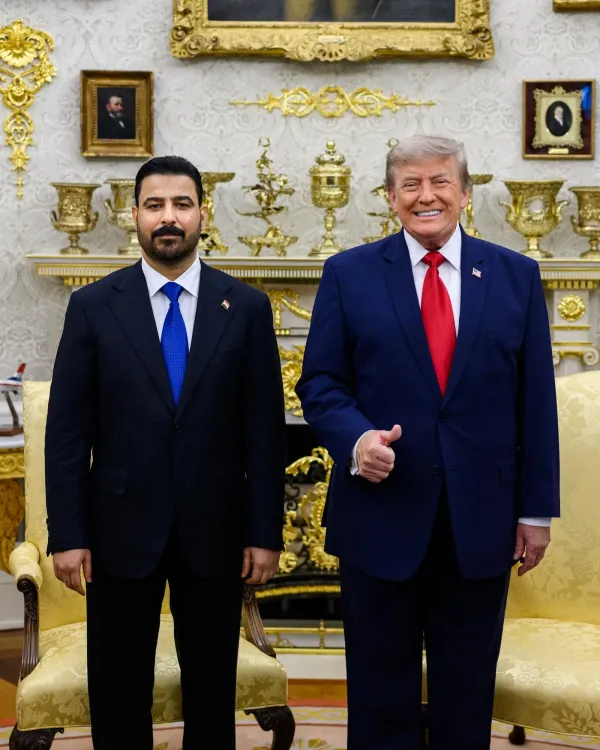
The White House on 14 July 2026 posted an official image of President Donald J. Trump meeting Iraqi Prime Minister Ali al-Zaidi, marking a visible moment of direct U.S.-Iraq diplomatic engagement. The meeting signals continuity in bilateral security and political ties rooted in the 2008 Strategic Framework Agreement.
Key Takeaways
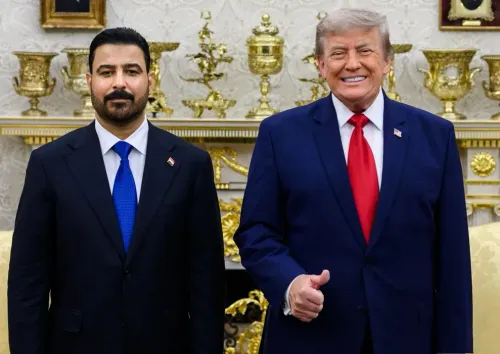
The White House posted an official image of President Trump and Iraqi PM Ali al-Zaidi on 14 July 2026 , confirming a bilateral meeting.
The post tagged @IraqiPMO , indicating coordinated communications from both governments.
U.S.-Iraq relations are anchored by the 2008 Strategic Framework Agreement covering political, economic, and security cooperation.
Trump previously visited Al Asad Airbase in December 2018 and oversaw the territorial defeat of ISIS in Iraq between 2017 and 2019 .
Key watch points include a formal joint readout and the next round of U.S.-Iraq Strategic Dialogue talks.
The meeting has implications for energy markets, counterterrorism cooperation, and the future of the U.S. military advisory mission in Iraq.
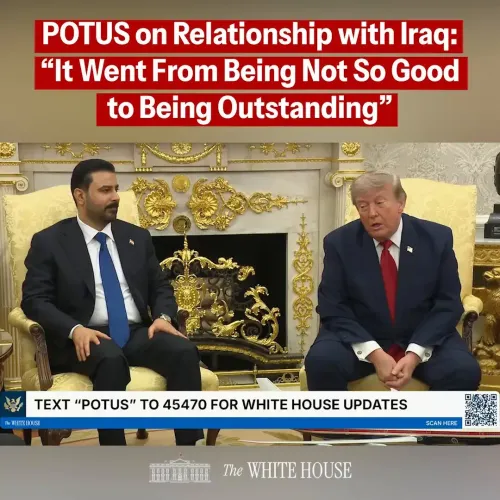
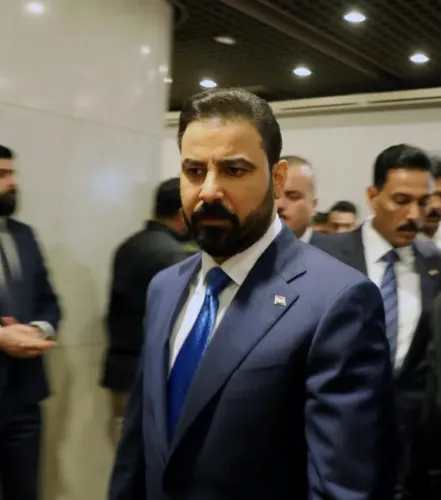
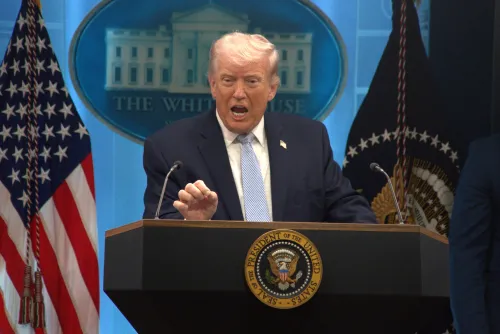
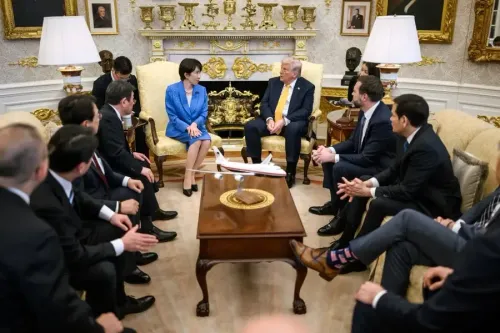
The White House on Tuesday, 14 July 2026 shared an official image of President Donald J. Trump meeting with Iraqi Prime Minister Ali al-Zaidi, signalling a fresh round of direct leader-to-leader engagement between Washington and Baghdad. The post, which tagged the official Iraqi Prime Minister's Office account, marks one of the most visible diplomatic touchpoints between the two countries in recent months.
Context
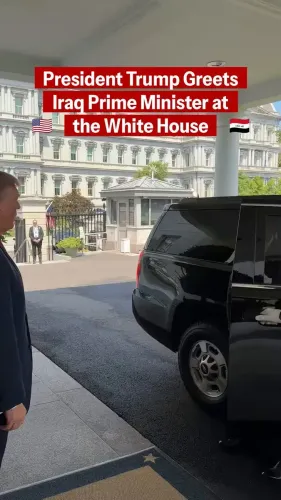
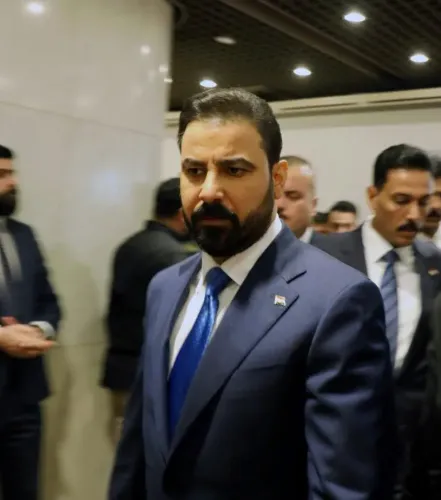
The White House's post — featuring the flags of both the United States and Iraq — is brief but pointed: 'President Donald J. Trump and Iraqi Prime Minister Ali al-Zaidi,' accompanied by a photograph of the two leaders. The tagging of @IraqiPMO, the official account of Iraq's Prime Minister's Office, confirms the bilateral nature of the engagement and suggests coordinated communications from both governments.
High-level photo releases of this kind from the White House typically accompany formal bilateral meetings, working lunches, or Oval Office sit-downs, and are used to signal continuity of political dialogue and security partnership.
Policy Backdrop
U.S.-Iraq relations rest on a dense foundation of security and diplomatic agreements, most notably the 2008 U.S.-Iraq Strategic Framework Agreement, which established the formal basis for bilateral political, economic, and security cooperation after the end of the United Nations mandate in Iraq. American forces have maintained a presence in Iraq under successive administrations, primarily in a counterterrorism advisory role.
During his first term, Trump made an unannounced visit to Al Asad Airbase in December 2018, meeting then-Prime Minister Adil Abdul-Mahdi to discuss security cooperation. Between 2017 and 2019, the Trump administration provided substantial military support to Iraqi and coalition forces that completed the territorial defeat of ISIS inside Iraq. That legacy of direct, transactional engagement has shaped the tone of U.S.-Iraq contacts ever since.
U.S.-Iraq engagement has remained a steady feature of American Middle East policy, centred on three persistent concerns: counterterrorism, Iranian influence over Iraqi political and military institutions, and energy market stability in a region that holds some of the world's largest proven oil reserves.
Stakeholders and Impact
For Baghdad, a direct meeting with the sitting U.S. president carries significant domestic political weight, reinforcing the Iraqi government's standing as a credible partner for the world's largest military power. Iraqi security forces continue to coordinate with U.S. forces on residual ISIS networks operating in remote areas of Anbar and Nineveh provinces.
For Washington, sustained engagement with Iraq serves as a counterweight to Tehran's influence in the region. Iraq sits at the intersection of American strategic interests — bordering both Iran and Syria — making its leadership a critical interlocutor for any U.S. administration managing Middle East policy.
Energy markets and Indian companies with upstream oil investments in Iraqi fields — particularly in the Kurdistan Region and southern Basra — will also be watching for any signals on production agreements or sanctions-related discussions that could emerge from such a bilateral dialogue.
What's Next
Observers will look for a formal joint readout or a written statement from either the White House or the Iraqi Prime Minister's Office detailing the specific agenda items discussed. The next scheduled round of U.S.-Iraq Strategic Dialogue talks will be a key indicator of whether this leadership-level meeting translates into concrete policy outcomes on troop presence, economic cooperation, or counterterrorism frameworks.
Should a joint communiqué emerge, it is likely to address the future of the U.S. military advisory mission in Iraq — a question that has periodically strained bilateral ties — as well as broader questions of Iraqi sovereignty and regional security architecture. The meeting, coming amid an active American foreign policy calendar in the Middle East, underscores that Iraq remains a central pillar of U.S. engagement in the region.
Point of View
The Gulf states, and ongoing counterterrorism commitments. For Trump, direct leader-to-leader optics with Arab heads of government have historically served a dual purpose: reinforcing the transactional credibility of American commitments while projecting strength to regional adversaries. The meeting also places Iraq back in the frame of active U.S. diplomatic attention, a position Baghdad's government actively courts to balance Iranian influence at home. Whether this produces tangible policy outcomes — on troop presence, sanctions, or energy — will determine its lasting significance.
NationPress
15 Jul 2026
Frequently Asked Questions
Who is Iraqi Prime Minister Ali al-Zaidi?
Ali al-Zaidi is identified by the White House as the current Prime Minister of Iraq as of July 2026. His office, @IraqiPMO, was tagged in the official White House post confirming the bilateral meeting with President Trump.
What did Trump and the Iraqi PM discuss?
No detailed agenda has been officially released. Historically, U.S.-Iraq leader meetings focus on security cooperation, counterterrorism, the U.S. military advisory presence in Iraq, and economic ties including energy.
What is the U.S.-Iraq Strategic Framework Agreement?
The 2008 U.S.-Iraq Strategic Framework Agreement is the formal legal basis for bilateral relations between Washington and Baghdad, covering political, economic, cultural, and security cooperation after the end of the UN mandate in Iraq.
Has Trump met Iraqi leaders before?
Yes. During his first term, Trump made an unannounced visit to Al Asad Airbase in Iraq in December 2018, where he met then-Prime Minister Adil Abdul-Mahdi to discuss security and troop presence.
Why does the U.S.-Iraq relationship matter for India?
Indian public sector companies hold significant upstream oil investments in Iraqi fields, particularly in the Basra region. Any shift in U.S.-Iraq security or economic arrangements can affect oil production stability and prices, with direct consequences for India's energy import bill.