Uganda to press on with ADF operations despite DRC Ebola outbreak
Synopsis
Despite a WHO appeal for armed groups to stand down so health workers can fight Ebola in eastern DRC, Uganda says its joint operations against the ADF will not stop. With over 50 civilians killed in attacks this month alone and 70 more in April, Kampala argues the insurgency is too lethal to pause — even as a deadly outbreak complicates every move on the ground.
Key Takeaways
The UPDF confirmed on 31 May that joint operations with the DRC against the ADF will continue despite the active Ebola outbreak .
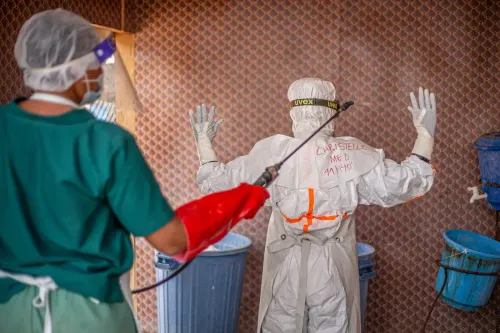
Acting UPDF spokesperson Chris Magezi said forces will follow Ebola Standard Operating Procedures during operations.
WHO Director-General Tedros Adhanom Ghebreyesus had appealed on Thursday for armed groups to declare a ceasefire to allow health worker access.
At least 50 civilians were killed in ADF attacks in North Kivu and Ituri earlier this month; more than 70 were killed in a separate April attack.
The ADF , affiliated with the Islamic State Central Africa Province , has been targeted by joint Ugandan-Congolese operations since November 2021 .
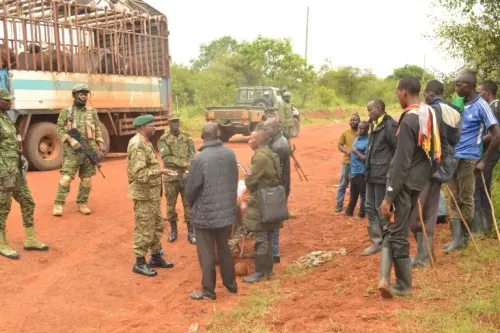
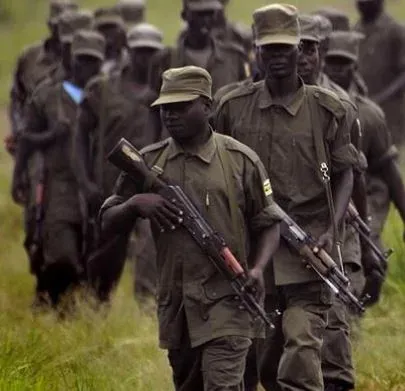
The Uganda Peoples' Defence Forces (UPDF) confirmed on Sunday, 31 May that joint military operations with the Democratic Republic of the Congo (DRC) against the Allied Democratic Forces (ADF) rebel group will continue, notwithstanding the active Ebola outbreak in eastern DRC. The announcement underscores Kampala's position that the security threat posed by the ADF cannot be paused even as a public health emergency unfolds across the border.
UPDF's Official Position
Chris Magezi, acting spokesperson for the UPDF, said there had been no calls for an immediate halt to military operations, citing the ADF's ongoing campaign of killing and abducting civilians in eastern DRC. 'The UPDF will continue operations against ADF remnants while observing Ebola prevention measures and maintaining Ebola SOPs (Standard Operating Procedures),' Magezi said.
WHO's Appeal for a Ceasefire
Magezi's remarks followed a direct appeal by World Health Organisation (WHO) Director-General Tedros Adhanom Ghebreyesus on Thursday, urging all armed groups operating in eastern DRC to declare a ceasefire. The WHO chief argued that a halt in hostilities was necessary to allow health workers to reach affected communities and contain the spread of Ebola. Uganda's response signals that, at least from Kampala's perspective, the two crises must be managed simultaneously rather than sequentially.
Who the ADF Are and Why They Matter
The ADF originated as a Ugandan rebel movement and is now affiliated with the Islamic State Central Africa Province. The group has been active in eastern DRC for years, and its persistent expansion prompted Congolese and Ugandan forces to launch coordinated military action in November 2021. Despite sustained operations, local observers note the ADF has continued to widen its area of activity rather than contract it.
Scale of Recent ADF Violence
The security situation in eastern DRC has deteriorated sharply in recent weeks. Earlier this month, at least 50 civilians were killed in a week-long series of attacks attributed to ADF rebels, primarily in North Kivu and Ituri provinces, where fighters carried out raids, kidnappings, looting, and arson across several localities. In April, more than 70 people were killed in a single ADF attack in Bafwakoa village, Mambasa territory, according to Dieudonne Lossa, coordinator of a civil society organisation in Ituri. Armed men reportedly raided multiple villages, killing civilians and setting homes, vehicles, and motorcycles ablaze.
What Happens Next
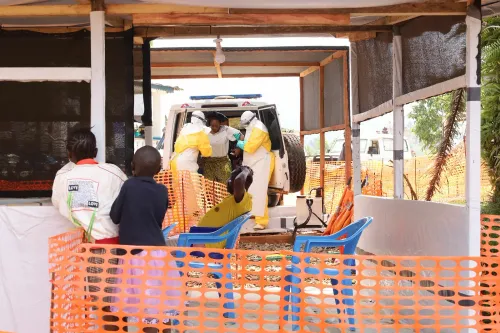
The dual crisis — an active insurgency and an Ebola outbreak — places extraordinary pressure on humanitarian access in eastern DRC. Health agencies face the challenge of reaching communities in active conflict zones, while Ugandan and Congolese forces must implement infection-prevention protocols in the field. How effectively the UPDF enforces its stated Ebola SOPs during combat operations will be closely watched by international health and security observers in the weeks ahead.
Point of View
Raising questions about whether continued pressure alone will neutralise the group. The Ebola dimension adds a layer the UPDF cannot ignore — soldiers moving through outbreak zones are both potential vectors and potential victims, and 'observing SOPs' in active combat is easier to declare than to enforce. The WHO's ceasefire appeal, while well-intentioned, has little leverage over state militaries, which is itself a structural gap in the international humanitarian architecture. The real risk is that the two crises feed each other: insecurity blocks health response, and a worsening outbreak degrades the very civilian cooperation that counter-insurgency depends on.
NationPress
14 Oct 2026
Frequently Asked Questions
Why is Uganda continuing military operations in DRC despite the Ebola outbreak?
Uganda says the ADF rebel group's ongoing attacks on civilians — including at least 50 killed earlier this month — make an operational pause untenable. The UPDF has stated it will continue operations while enforcing Ebola prevention protocols and standard operating procedures in the field.
What did the WHO ask armed groups in eastern DRC to do?
WHO Director-General Tedros Adhanom Ghebreyesus appealed on Thursday for all armed groups in eastern DRC to declare a ceasefire, arguing that a halt in fighting is necessary to allow health workers to access communities affected by the Ebola outbreak and contain its spread.
Who are the Allied Democratic Forces (ADF)?
The ADF originated as a Ugandan rebel movement and is now affiliated with the Islamic State Central Africa Province. The group is active in eastern DRC and has been the target of joint Ugandan-Congolese military operations since November 2021, though local observers say it has continued to expand its area of activity.
How severe have recent ADF attacks been?
At least 50 civilians were killed in a week-long series of ADF attacks in North Kivu and Ituri provinces earlier in May 2025. In April, more than 70 people were killed in a single attack in Bafwakoa village, Mambasa territory, according to a local civil society coordinator.
How long have Uganda and DRC been conducting joint operations against the ADF?
Uganda and the DRC launched coordinated military operations against the ADF in November 2021, aimed at tracking and neutralising the group. Despite sustained efforts, observers say the ADF has continued to widen its operational footprint in eastern DRC.