CM Dhami: Over 30 Lakh Pilgrims Complete Char Dham Yatra in 45 Days
Synopsis
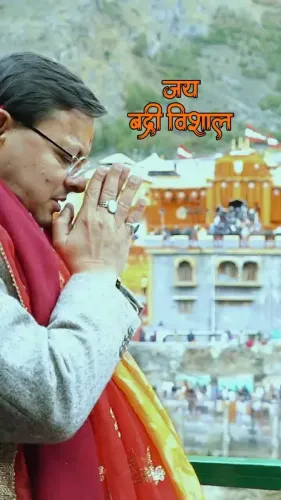
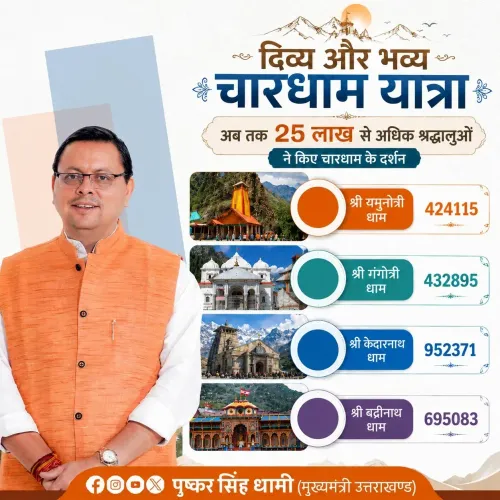
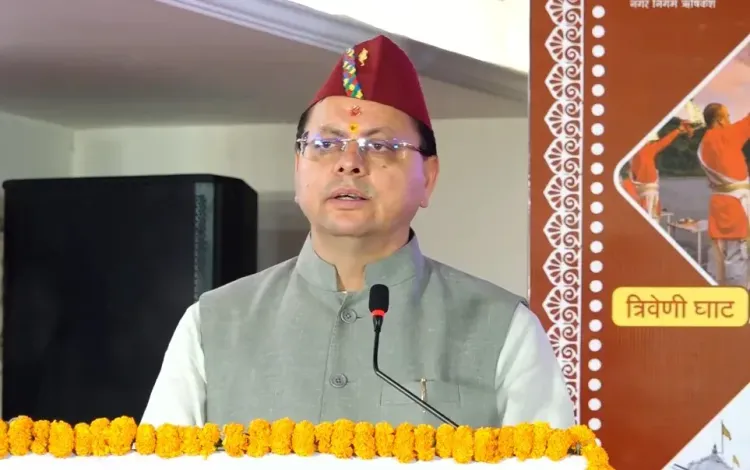
The Chief Minister's Office of Uttarakhand announced that more than 30 lakh devotees have completed darshan in the first 45 days of the 2026 Char Dham Yatra. Chief Minister Pushkar Singh Dhami reiterated the state's pledge to keep the journey to the four Himalayan shrines smooth and safe for every pilgrim arriving this season.
Key Takeaways
Over 30 lakh pilgrims have completed Char Dham darshan in the first 45 days of the 2026 season.
Chief Minister Pushkar Singh Dhami reiterated the goal of a 'smooth and safe' yatra.
The circuit covers Yamunotri , Gangotri , Kedarnath and Badrinath in the Garhwal Himalayas.
State measures include online registration, helicopter services and crowd control at darshan queues.
The Char Dham Highway Project remains the backbone infrastructure push for year-round access.
Monsoon-season landslide risks will be the next operational test for state agencies.
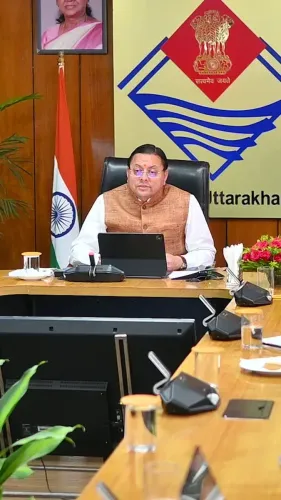
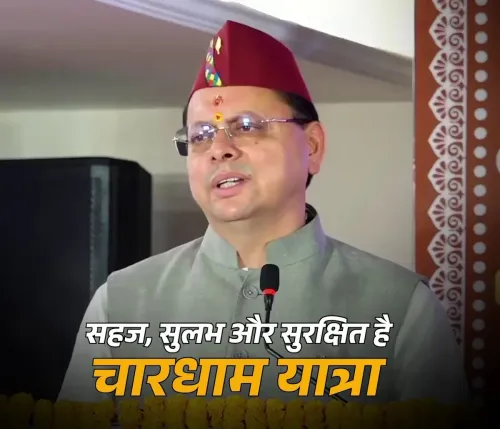
The Chief Minister's Office of Uttarakhand on Wednesday, 3 June 2026 said that more than 30 lakh pilgrims have completed darshan in the first 45 days of this year's Char Dham Yatra. Citing Chief Minister Pushkar Singh Dhami, the post reiterated the state's commitment to making the journey 'smooth and safe' for every visitor to the four Himalayan shrines.
Translated from the original Hindi, the post quotes the Chief Minister as saying, 'Ab tak 45 din ki Chardham Yatra mein 30 lakh se adhik shraddhalu darshan kar chuke hain' ('So far, more than 30 lakh devotees have had darshan in the 45 days of the Char Dham Yatra'). He added that 'our effort is to ensure that the journey of pilgrims coming here is smooth and safe.'
Context
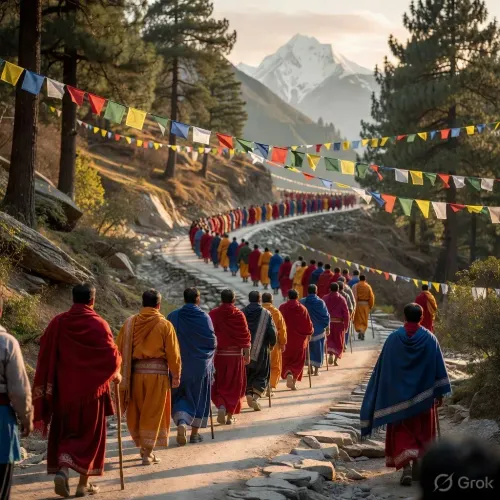
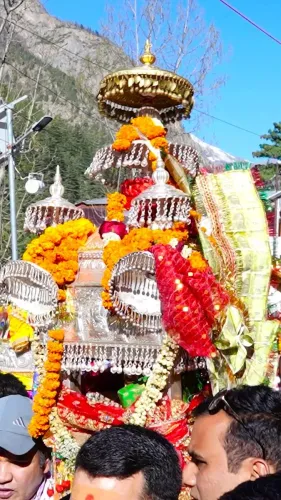
The Char Dham Yatra is an annual Hindu pilgrimage covering four shrines in the Garhwal Himalayas — Yamunotri, Gangotri, Kedarnath and Badrinath. The circuit typically opens in late April or early May after the portals are ceremonially unlocked, and closes around Diwali when the deities are moved to their winter seats.
The figure cited by the Chief Minister covers the opening window of the 2026 season. The yatra is the single largest annual driver of footfall, revenue and logistics planning for Uttarakhand, with tens of thousands of pilgrims arriving each day at peak.
Policy backdrop
Pushkar Singh Dhami, who has led the state government since 2021, has placed pilgrimage management at the centre of his administration's tourism agenda. The state has progressively expanded online registration, biometric checkpoints, helicopter shuttle services to Kedarnath, and crowd-control measures at darshan queues.
These steps build on a longer infrastructure arc anchored by the Char Dham Highway Project, the all-weather road programme that received accelerated forest clearance and construction push from 2018 onward. The project aims to widen and upgrade the network linking the four shrines, with the stated objective of year-round access and faster emergency response in a landslide-prone terrain.
Stakeholders and impact
For pilgrims, the headline number signals that the system is absorbing high volumes in the early part of the season. For local communities along the route — in Rudraprayag, Chamoli, Uttarkashi and surrounding districts — the yatra remains the dominant source of seasonal income through homestays, transport, porter services and small trade.
Tour operators and hospitality businesses in Haridwar, Rishikesh and Dehradun typically scale operations sharply during the May-to-October window. The Chief Minister's emphasis on a 'safe and smooth' journey reflects the operational pressure of managing dense crowds in fragile mountain ecology, where weather disruptions, traffic snarls and altitude-related health incidents are recurring concerns.
What's next
Attention will turn to footfall trends as the season advances into the monsoon months, when landslides and road blockages historically force temporary halts. State agencies are expected to publish consolidated yatra data at the close of the season and review standard operating procedures ahead of the 2027 edition.
The early-season tally underscores the continuing surge in religious tourism to the Himalayan circuit — and the parallel challenge of scaling safety, sanitation and disaster-response systems to match it.
Point of View
The message slots into a broader pattern of Himalayan states using yatra footfall as a proxy for governance performance. The harder test, however, will come in the monsoon weeks, when landslides and weather disruptions historically expose the gap between throughput and safety. How the administration balances volume with carrying capacity will shape the political narrative around the 2027 season.
NationPress
16 Sept 2026
Frequently Asked Questions
How many pilgrims have visited Char Dham in 2026 so far?
More than 30 lakh pilgrims have completed darshan in the first 45 days of the 2026 Char Dham Yatra, according to the Chief Minister's Office of Uttarakhand. The figure was shared by Chief Minister Pushkar Singh Dhami on 3 June 2026.
Which shrines are part of the Char Dham Yatra?
The Char Dham circuit covers four Himalayan shrines in Uttarakhand — Yamunotri, Gangotri, Kedarnath and Badrinath. Pilgrims typically travel the route in this order during the May-to-October season.
When does the Char Dham Yatra open and close each year?
The yatra usually opens in late April or early May, after the temple portals are ceremonially unlocked, and closes around Diwali when the deities are moved to their winter seats. Exact dates vary each year based on the Hindu calendar.
What safety measures are in place for Char Dham pilgrims?
The Uttarakhand government has expanded online registration, biometric checkpoints, helicopter shuttle services to Kedarnath, and crowd-control arrangements at darshan queues. Road widening under the Char Dham Highway Project is also aimed at safer access.
Who is the Chief Minister of Uttarakhand?
Pushkar Singh Dhami is the Chief Minister of Uttarakhand, in office since 2021. He oversees the state's tourism and pilgrimage management agenda, including the Char Dham Yatra.