CM Dhami: Uttarakhand homestays up 50%, hotels up 25%
Synopsis
Chief Minister Pushkar Singh Dhami says Uttarakhand's homestays have grown by 50% and hotels by 25% in recent years, pointing to expanding rural tourism infrastructure and post-pandemic recovery in the Himalayan state's visitor economy.
Key Takeaways
CM Pushkar Singh Dhami announced a 50% rise in homestays and a 25% increase in hotels in Uttarakhand over recent years.
The statement was shared by the Chief Minister's Office of Uttarakhand on 15 November 2026 .
Uttarakhand's homestay policy, formalised around 2018–2021 , targeted rural and semi-urban households to spread tourism income beyond established hubs.
Key tourist corridors driving demand include Char Dham pilgrimage routes and Corbett National Park .
Both homestay and hotel growth are running in parallel, suggesting expansion across all accommodation tiers.
The Uttarakhand Tourism Development Board's next annual data release will test whether occupancy has kept pace with new capacity.
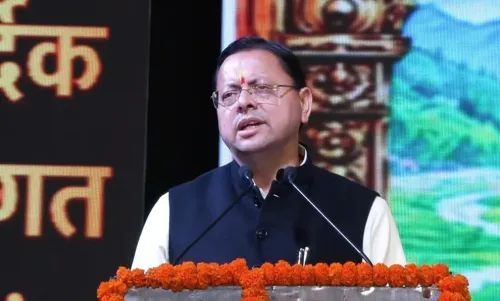
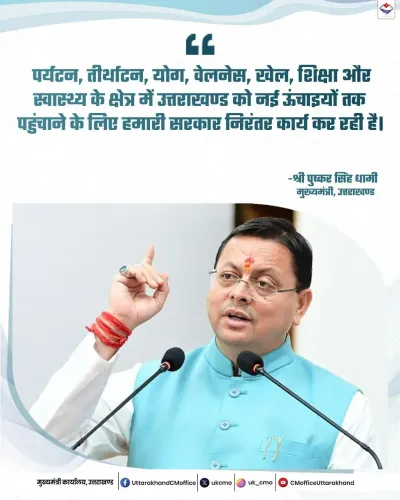
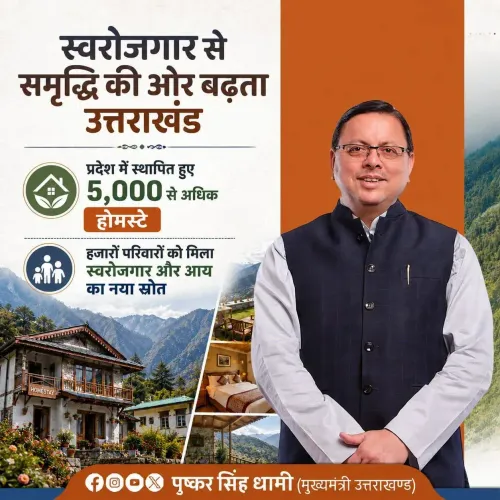
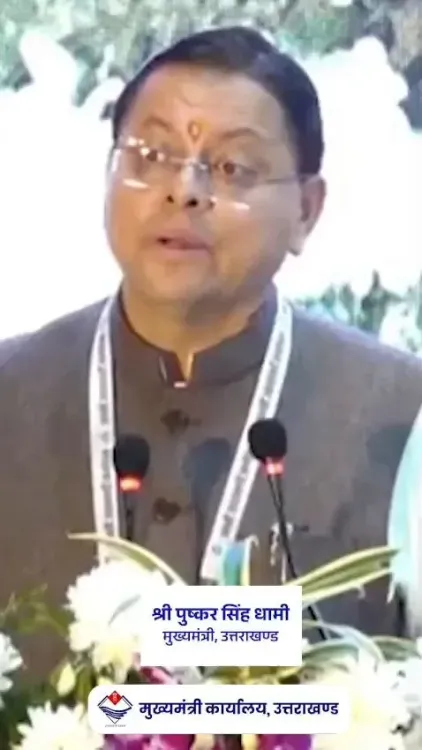
Uttarakhand's tourism accommodation sector is growing at a pace its mountains have rarely seen before. Chief Minister Pushkar Singh Dhami, in a statement shared by the Chief Minister's Office of Uttarakhand on Sunday, 15 November 2026, cited a 50% rise in homestays and a 25% increase in hotels across the state in recent years — numbers that frame the Himalayan state's post-pandemic tourism story as one of genuine structural expansion.
Dhami's exact words: 'इन सालों में हमारे होम स्टे की संख्या में 50% तक की बढ़ोतरी हुई, होटल भी 25% तक बढ़े हैं।' ('In these years, the number of our homestays has grown by up to 50%, and hotels have also increased by up to 25%.')
Homestays as Uttarakhand's quiet economic engine
The growth in homestays is not accidental. Uttarakhand began actively incentivising homestay registration and operation through state tourism policy updates beginning around 2018–2021, targeting rural and semi-urban households in areas that conventional hotel investment had bypassed. The pitch was straightforward: convert a spare room into a livelihood, plug it into the pilgrimage and trekking circuit, and let the revenue flow into households rather than just corporate hospitality chains.
The model fits Uttarakhand's geography almost perfectly. With major pilgrimage corridors like Char Dham and wildlife destinations like Corbett National Park pulling visitors across a dispersed landscape, accommodation close to smaller villages and high-altitude trails is exactly what many travellers need — and what large hotels cannot efficiently provide.
What the numbers signal for rural income
Successive state governments have treated low-cost, locally-owned accommodation as a tool to push tourism revenue beyond the established urban hubs of Dehradun, Rishikesh, and Haridwar. A 50% rise in homestays, if it broadly tracks with occupancy and earnings, means thousands of additional rural households with a direct stake in the visitor economy — a meaningful shift in who benefits from Uttarakhand's annual tourist footfall.
The 25% hotel growth alongside it matters too. It signals that formal, investable hospitality infrastructure is also expanding — not in spite of the homestay boom, but in parallel. Both ends of the accommodation market are moving.
The next concrete data point to watch is the Uttarakhand Tourism Development Board's annual statistics release, which will show whether occupancy and tourist arrivals have kept pace with the surge in capacity — the real test of whether this growth is demand-led or overshooting the market.
Point of View
However, raises a supply-side question: if capacity is running ahead of visitor growth, the headline numbers could mask thinning margins for small operators. The real policy test now is whether the state can convert accommodation growth into documented income gains for rural households, or whether the figures remain a trophy statistic. Linking future homestay subsidies to verified earnings data, rather than just registration counts, would be the sharper next step.
NationPress
15 Nov 2026
Frequently Asked Questions
How much have homestays grown in Uttarakhand?
Chief Minister Pushkar Singh Dhami stated that homestays in Uttarakhand have grown by up to 50% in recent years, citing expansion driven by state tourism policy incentives targeting rural households.
How much have hotels increased in Uttarakhand?
According to CM Dhami's statement on 15 November 2026, hotels in Uttarakhand have increased by up to 25% over the same period alongside the homestay growth.
What is Uttarakhand's homestay policy?
Uttarakhand introduced and updated homestay incentive policies around 2018–2021 to encourage rural and semi-urban households to register and operate homestays, spreading tourism revenue beyond major urban centres.
Which tourist destinations drive Uttarakhand's accommodation demand?
Major demand drivers include the Char Dham pilgrimage circuit and wildlife destinations such as Corbett National Park, which draw visitors across a wide and dispersed geography requiring varied accommodation options.
What is the Uttarakhand Tourism Development Board?
The Uttarakhand Tourism Development Board is the state body responsible for tourism promotion and statistics; its annual data releases are closely watched to assess whether accommodation growth is matched by actual visitor and occupancy trends.