CM Mann: Over 47 Lakh Punjab Residents Enrolled in Sehat Yojana
Synopsis
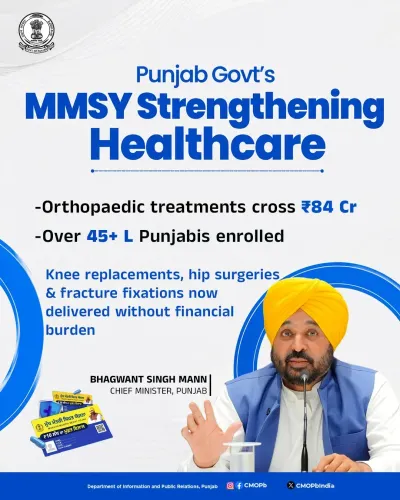
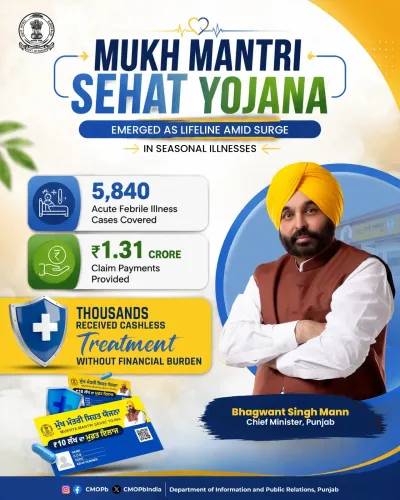
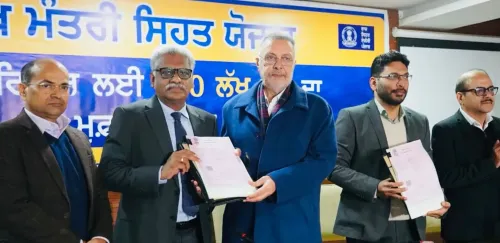
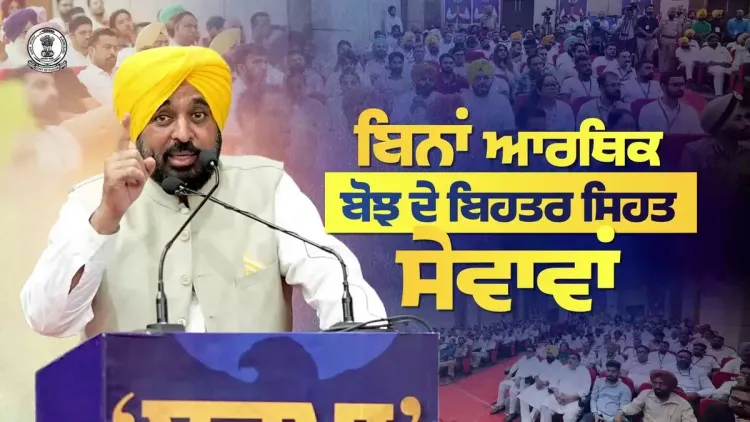
Chief Minister Bhagwant Mann has announced that more than 47 lakh Punjab residents have enrolled in the Mukh Mantri Sehat Yojana, the state's cashless health coverage scheme, with thousands already availing treatment free of financial burden.
Key Takeaways
More than 47 lakh Punjab residents have obtained their Mukh Mantri Sehat Yojana cards as of 1 July 2026 .
CM Bhagwant Mann shared the milestone update via the official Chief Minister's Office of Punjab X account.
The scheme provides cashless secondary and tertiary healthcare, shielding beneficiaries from out-of-pocket medical expenditure.
Thousands of cardholders are actively using the scheme for treatment, according to the CMO.
The Sehat Yojana was launched in 2022 as a state-funded supplement to the national Ayushman Bharat programme.
The next quarterly utilisation report and the 2027-28 state budget will be key indicators of the scheme's financial trajectory.
The Chief Minister's Office of Punjab announced on Wednesday, 1 July 2026 that the state's flagship health coverage scheme, Mukh Mantri Sehat Yojana, has received an overwhelming response from residents, with Chief Minister Bhagwant Mann revealing that more than 47 lakh people have already enrolled and obtained their scheme cards.
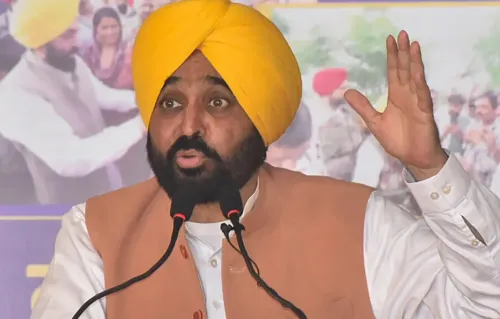
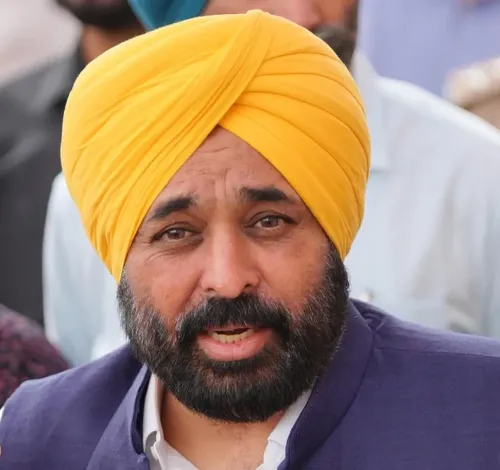
Sharing the update, CM Mann stated — 'ਹੁਣ ਤੱਕ 47 ਲੱਖ ਤੋਂ ਵੱਧ ਲੋਕ ਆਪਣੇ ਮੁੱਖ ਮੰਤਰੀ ਸਿਹਤ ਯੋਜਨਾ ਕਾਰਡ ਬਣਵਾ ਚੁੱਕੇ ਹਨ' — ('More than 47 lakh people have so far got their Mukh Mantri Sehat Yojana cards made'). He added that thousands of beneficiaries are availing treatment under the scheme and receiving better healthcare services 'without any financial burden.'
Context
The Mukh Mantri Sehat Yojana was launched by the Bhagwant Mann government in 2022 as a state-funded initiative providing cashless secondary and tertiary medical care to eligible Punjab residents. The scheme is designed to shield low-income households from catastrophic out-of-pocket health expenditure, a persistent problem in Indian public health.
The announcement comes as the scheme crosses a significant enrolment milestone, signalling broad public uptake across the state.
Policy Backdrop
The Aam Aadmi Party (AAP) government's push in Punjab mirrors the party's earlier health interventions in Delhi, where mohalla clinics and subsidised treatment became a political signature. Nationally, the Ayushman Bharat – Pradhan Mantri Jan Arogya Yojana, introduced in 2018, set a precedent for large-scale cashless hospitalisation coverage, and several states have since layered supplementary schemes on top of it.
Punjab's Sehat Yojana operates as such a state-level supplement, extending the coverage net to residents who may fall outside central scheme eligibility criteria or require additional financial protection.
Stakeholders and Impact
The primary beneficiaries are Punjab's estimated 3 crore-plus population, particularly low- and middle-income households for whom hospitalisation costs can trigger debt or asset liquidation. With 47 lakh cards issued, the scheme has already reached a substantial share of the state's families.
Thousands of cardholders are actively using the scheme for treatment, according to the Chief Minister's Office, reducing dependence on private borrowing or deferred medical care — two common coping mechanisms among uninsured households in India.
What's Next
The Punjab health department's next quarterly utilisation report will be a key indicator of whether enrolment is translating into actual claim volumes and hospitalisation coverage. Observers will also watch for any provisions in the 2027-28 state budget that may expand the scheme's benefit package or raise its coverage ceiling.
If enrolment continues at its current pace, the Sehat Yojana could become one of the larger state-run health insurance programmes in northern India — and a template the AAP is likely to highlight ahead of future electoral cycles in other states.
Point of View
Announced directly by the Chief Minister's Office, is a political as much as an administrative milestone — it gives the AAP government a concrete, quantifiable deliverable to cite in a state where healthcare access has long been a voter concern. The Sehat Yojana fits into a broader pattern of AAP-governed states using cashless health cards as a high-visibility welfare instrument, consciously positioning the party as a credible alternative to both Congress and BJP on social delivery. The scheme's real test, however, lies not in card issuance but in claim settlement rates and hospital network adequacy — metrics the government has yet to publicly detail. How those numbers emerge over the next two quarters will determine whether this milestone translates into durable political capital or faces scrutiny over implementation gaps.
NationPress
1 Jul 2026
Frequently Asked Questions
What is Mukh Mantri Sehat Yojana Punjab?
Mukh Mantri Sehat Yojana is a state-funded health insurance scheme launched by the Punjab government in 2022 under Chief Minister Bhagwant Mann. It provides cashless secondary and tertiary medical treatment to eligible Punjab residents, reducing out-of-pocket hospitalisation costs.
How many people have enrolled in Mukh Mantri Sehat Yojana?
As of 1 July 2026, more than 47 lakh people in Punjab have enrolled and obtained their Mukh Mantri Sehat Yojana cards, according to an announcement by Chief Minister Bhagwant Mann.
Who is eligible for Mukh Mantri Sehat Yojana Punjab?
The scheme targets Punjab residents, with a focus on low- and middle-income households who need financial protection against hospitalisation costs. Specific eligibility criteria are determined by the Punjab government's health department.
How is Mukh Mantri Sehat Yojana different from Ayushman Bharat?
Mukh Mantri Sehat Yojana is a state-funded Punjab scheme that operates alongside the national Ayushman Bharat – Pradhan Mantri Jan Arogya Yojana. It is designed to extend cashless coverage to residents who may not be covered or fully protected under the central programme.
How do I get a Mukh Mantri Sehat Yojana card?
Eligible Punjab residents can apply for the Mukh Mantri Sehat Yojana card through designated enrolment centres and government health department channels in Punjab. The Chief Minister's Office has indicated that the card registration process has been widely accessible, with over 47 lakh cards already issued.