CM Pema Khandu Launches e-HRMS 2.0 in Arunachal Cabinet
Synopsis
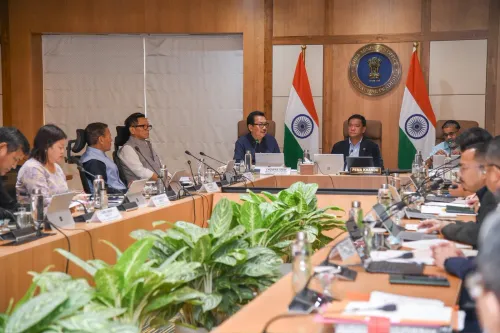
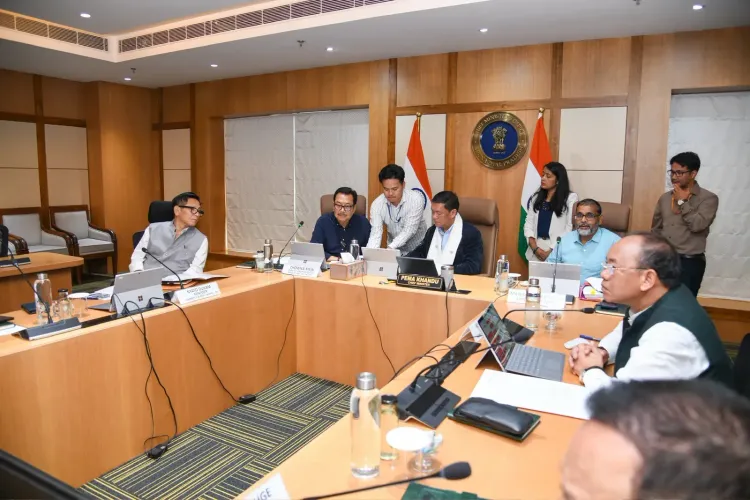
Arunachal Pradesh Chief Minister Pema Khandu launched e-HRMS 2.0, an upgraded Electronic Human Resource Management System, at the opening of a state Cabinet meeting on 17 July 2026, aiming to digitise personnel records, streamline administration, and boost transparency in government services.
Key Takeaways
e-HRMS 2.0 was launched by CM Pema Khandu at the start of a state Cabinet meeting on 17 July 2026 .
The system is an upgraded Electronic Human Resource Management System aimed at digitising personnel administration in Arunachal Pradesh .
The platform builds on a framework originally derived from the central DoPT e-HRMS under the Digital India programme launched in 2015 .
Key goals include reducing delays in promotions, transfers, and pension processing for state government employees .
Similar upgrades have been undertaken by Assam and Nagaland , reflecting a broader northeastern push toward integrated digital HR systems.
Phased department-wise onboarding and possible linkage with the central DoPT portal are the key milestones to watch.
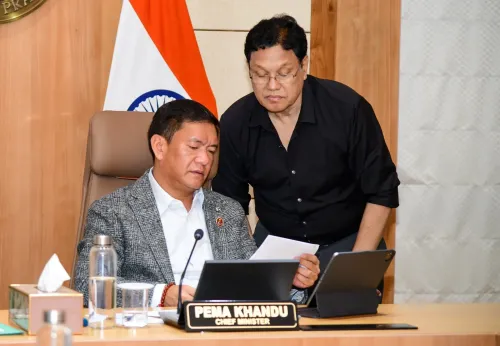
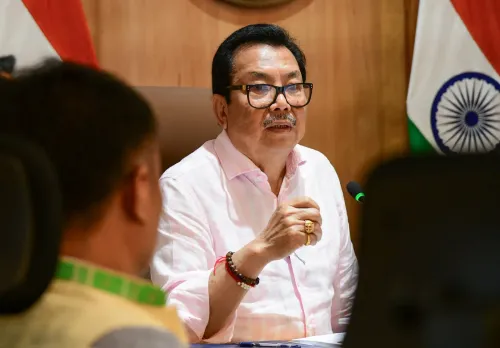
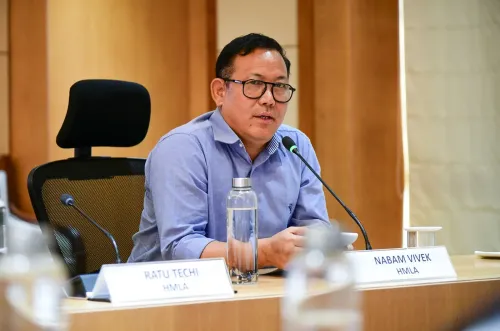
Arunachal Pradesh Chief Minister Pema Khandu launched e-HRMS 2.0, an upgraded Electronic Human Resource Management System, at the start of a state Cabinet meeting on Friday, 17 July 2026. The system is designed to strengthen digital governance and streamline personnel administration across the state government.
Context
Announcing the launch on X, CM Khandu said the Cabinet proceedings commenced with the rollout of e-HRMS 2.0, describing it as a platform that will 'enhance efficiency and transparency in government services.' The launch marks a significant step in Arunachal Pradesh's ongoing effort to digitise its administrative backbone.
The original e-HRMS framework adopted by the state drew from a central platform developed by the Department of Personnel and Training (DoPT) under the Digital India programme, which was launched in 2015. The 2.0 upgrade represents a state-level evolution of that foundation.
Policy Backdrop
Across India, state governments have progressively rolled out successive versions of e-HRMS to replace manual records with integrated digital platforms. The shift has helped reduce delays in promotions, transfers, and pension processing — areas that have historically been pain points for government employees.
Northeastern states, including Assam and Nagaland, have undertaken similar upgrades, integrating biometric authentication and digital workflow modules with central support. Arunachal Pradesh, with its remote terrain and connectivity constraints, has received dedicated attention under centrally sponsored e-governance initiatives aimed at bridging the administrative gap in frontier states.
Stakeholders and Impact
The primary beneficiaries of e-HRMS 2.0 are state government employees and administrative officials across departments. A unified digital system for personnel records, payroll, and service matters is expected to cut processing times and reduce the scope for manual errors or delays.
For employees in remote postings — a common reality in Arunachal Pradesh — a digitised HR system could significantly ease access to service-related processes without requiring physical travel to district or state headquarters. Transparency in transfers and promotions is also expected to improve under the new system.
What's Next
Attention will now turn to the phased onboarding of individual departments onto the e-HRMS 2.0 platform and whether the state will pursue interoperability with the central DoPT portal for data sharing. The pace and sequencing of department-wise rollout will determine how quickly the system's benefits reach the broader government workforce.
The launch at the Cabinet level signals political commitment at the highest tier of the state government, which could accelerate adoption. Arunachal Pradesh's experience may also inform similar e-governance transitions in other northeastern states still in earlier phases of HR digitisation.
Point of View
Placing digital governance at the top of the state's policy agenda. Anchoring the rollout within a Cabinet sitting — rather than a standalone event — lends it institutional weight and suggests a push for rapid, government-wide adoption. The move fits into a broader pattern of BJP-governed northeastern states aligning with the Centre's Digital India framework, using e-governance upgrades as both a service-delivery tool and a political marker of modernisation. The real test, however, will be the speed of department-wise onboarding and whether the system achieves meaningful interoperability with central platforms.
NationPress
17 Jul 2026
Frequently Asked Questions
What is e-HRMS 2.0 in Arunachal Pradesh?
e-HRMS 2.0 is an upgraded Electronic Human Resource Management System launched by Arunachal Pradesh to digitise personnel records, payroll, and service matters for state government employees, building on the earlier framework aligned with the central DoPT e-HRMS platform.
Who launched e-HRMS 2.0 in Arunachal Pradesh?
Chief Minister Pema Khandu launched e-HRMS 2.0 on 17 July 2026 at the commencement of a state Cabinet meeting.
What are the benefits of e-HRMS 2.0 for government employees?
The system is expected to reduce delays in promotions, transfers, and pension processing, improve transparency, and allow employees — including those in remote postings — to access HR services digitally without visiting offices in person.
How does Arunachal Pradesh's e-HRMS relate to the central government's Digital India programme?
The state's original e-HRMS was modelled on a platform developed by the Department of Personnel and Training (DoPT) under Digital India , launched in 2015 . The 2.0 version is a state-level upgrade of that foundation.
Which other northeastern states have implemented similar e-HRMS upgrades?
Assam and Nagaland have undertaken comparable upgrades, integrating biometric and digital workflow modules, reflecting a region-wide push toward modern HR management systems with central support.