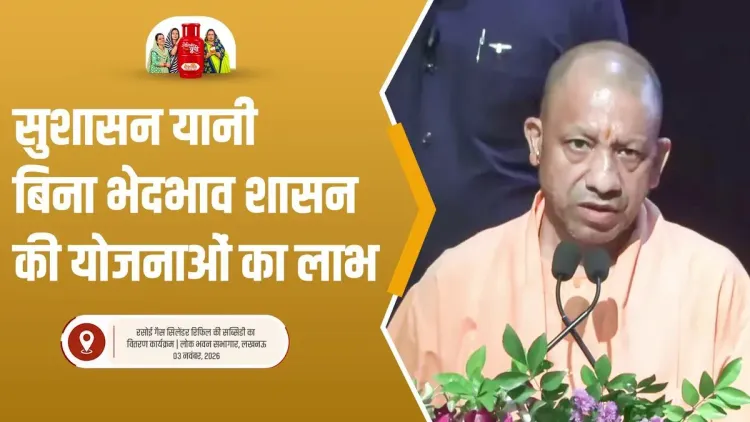
CM Yogi defines good governance: benefits for the last person in line
Synopsis
The Chief Minister's Office of Uttar Pradesh quoted CM Yogi Adityanath defining good governance as discrimination-free delivery of government scheme benefits to the last person in society, reinforcing the Antyodaya principle central to UP's welfare communications since 2017.
Key Takeaways
CM Yogi Adityanath defined good governance as delivering scheme benefits to 'the person on the last rung' without discrimination.
The statement was shared by the Chief Minister's Office of Uttar Pradesh on 3 November 2026 .
The Antyodaya principle — prioritising the weakest individual — has underpinned UP government welfare communications since March 2017 .
The emphasis on 'no discrimination' signals a continuing administrative focus on reducing leakages and exclusion errors in welfare delivery.
District-level implementation reports and the next UP state budget will be the practical tests of this declared governance standard.
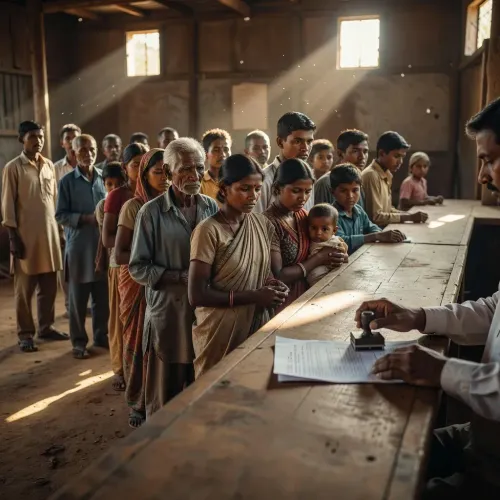
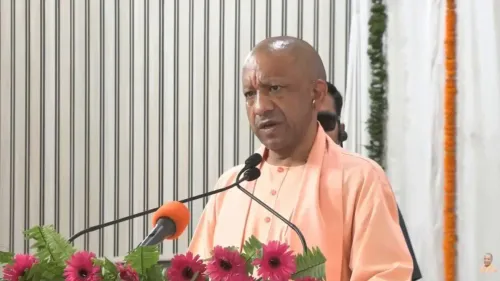
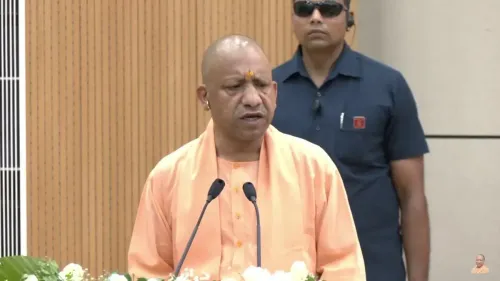
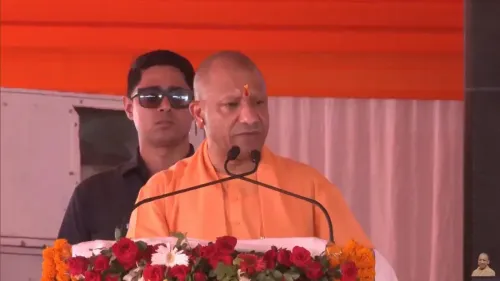
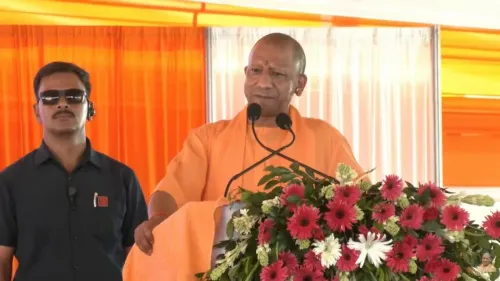
When the fruits of government schemes reach the person standing on the very last rung — without discrimination — that, says Uttar Pradesh Chief Minister Yogi Adityanath, is what good governance truly means. The Chief Minister's Office of Uttar Pradesh shared this definition on Tuesday, 3 November 2026, in a pointed reminder of the philosophy that has shaped welfare delivery across India's most populous state.
The original post, in Hindi, quotes the Chief Minister directly: 'जब अंतिम पायदान पर खड़े व्यक्ति तक शासन की योजनाओं का लाभ बिना किसी भेदभाव के पहुंचता है तो इसी को सुशासन कहते हैं' — 'When the benefits of governance schemes reach the person standing on the last rung without any discrimination, that is what is called good governance.'
The Antyodaya thread running through UP's welfare push
The sentiment is not new — but its repetition is deliberate. Since March 2017, when Yogi Adityanath took charge as Chief Minister, the Uttar Pradesh government has consistently invoked the Antyodaya principle — the idea, rooted in Deendayal Upadhyaya's philosophy, that policy must prioritise the weakest individual in society, not the median voter.
That framing has been deployed across housing allocations, food security distributions, and direct benefit transfers in the state. The rhetorical emphasis on 'without discrimination' signals a push against leakages, middlemen, and the exclusion errors that have historically plagued large welfare programmes in states of UP's scale and complexity.
A governance benchmark, not just a sound bite
What makes this statement worth tracking is the standard it sets — and the accountability it invites. By making 'last-mile, discrimination-free delivery' the official definition of good governance, the Chief Minister's Office is effectively publishing a benchmark against which district-level performance can be measured.
Similar messaging has appeared in other BJP-governed states, reflecting a broader communications strategy around administrative efficiency and direct transfers. But in Uttar Pradesh — home to over 240 million people and a state where welfare scheme coverage has been both a political battleground and a genuine administrative challenge — the phrase carries particular weight.
The next test will come in district-level implementation reports and governance metrics cited in the state's upcoming budget cycle. A definition this public is also a promise this measurable.
Point of View
Discrimination-free delivery' as the definition of good governance, the CM's office simultaneously claims a moral high ground and signals administrative intent. The sharper question is whether this rhetorical benchmark will be backed by verifiable data in the next budget cycle. If it is, it strengthens UP's model; if district-level reports reveal persistent gaps, the quote becomes a liability rather than a legacy-builder.
NationPress
3 Nov 2026
Frequently Asked Questions
What did CM Yogi Adityanath say about good governance?
CM Yogi Adityanath defined good governance as the discrimination-free delivery of government scheme benefits to the last person in society — those on the lowest rung of the social ladder.
What is the Antyodaya principle in Uttar Pradesh governance?
Antyodaya refers to prioritising the weakest or last individual in society. The UP government has used this principle since 2017 to frame welfare scheme delivery, direct benefit transfers, and housing and food security programmes.
How long has Yogi Adityanath been Chief Minister of Uttar Pradesh?
Yogi Adityanath has served as Chief Minister of Uttar Pradesh since March 2017 .
What welfare schemes is Uttar Pradesh focusing on for last-mile delivery?
Uttar Pradesh has focused on housing allocations, food security distributions, and direct benefit transfers as core last-mile delivery programmes, with the stated goal of reaching all eligible beneficiaries without discrimination.
Why does UP's good governance definition matter for welfare policy?
By making discrimination-free last-mile delivery the official benchmark of good governance, the Chief Minister's Office sets a measurable standard that district-level implementation data and state budget metrics can be held against — making it both a policy commitment and an accountability tool.