Dr. Jitendra Singh Flags PFBR Criticality as Viksit Bharat Milestone
Synopsis
Union Science Minister Dr. Jitendra Singh shared PM Modi's statement at ESTIC 2026 announcing that India's 500 MW Prototype Fast Breeder Reactor at Kalpakkam has achieved first criticality, a landmark in the country's three-stage nuclear programme and its drive for fuel-import independence.
Key Takeaways
The 500 MW Prototype Fast Breeder Reactor (PFBR) at Kalpakkam has achieved first criticality , marking a major milestone in India's nuclear programme.
The announcement was made ahead of October 30 , the birth anniversary of nuclear programme architect Dr.
Homi Jehangir Bhabha .
The PFBR is a core element of India's three-stage nuclear programme , designed to reduce dependence on imported uranium by breeding plutonium from spent fuel.
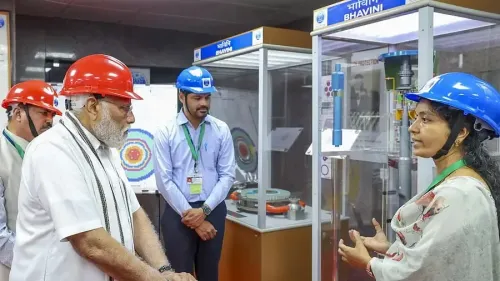
Construction of the PFBR by BHAVINI began in 2004 following Cabinet approval in 2003 .
PM Modi framed large-scale nuclear energy as essential for achieving Viksit Bharat by 2047 , citing fuel import dependence as an energy security risk.
The milestone was highlighted at ESTIC 2026 , India's science and technology review forum.
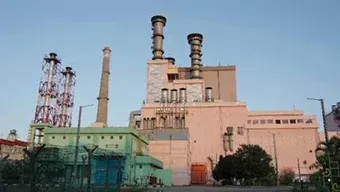
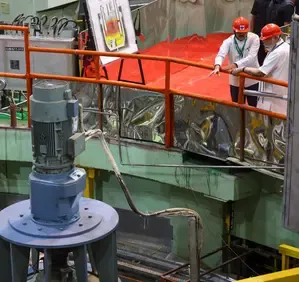
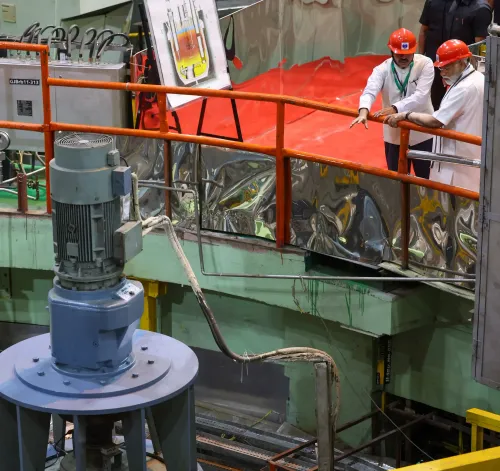
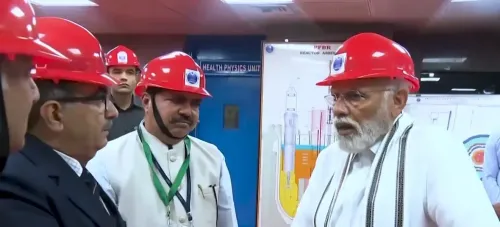
A reactor achieves first criticality, and India's decades-long bet on homegrown nuclear technology quietly pays off. Union Science and Technology Minister Dr. Jitendra Singh shared a message from Prime Minister Narendra Modi on Tuesday, October 27, 2026, marking a defining moment in India's energy self-reliance journey — the 500 MW Prototype Fast Breeder Reactor (PFBR) at Kalpakkam has achieved first criticality.
What first criticality at Kalpakkam actually means
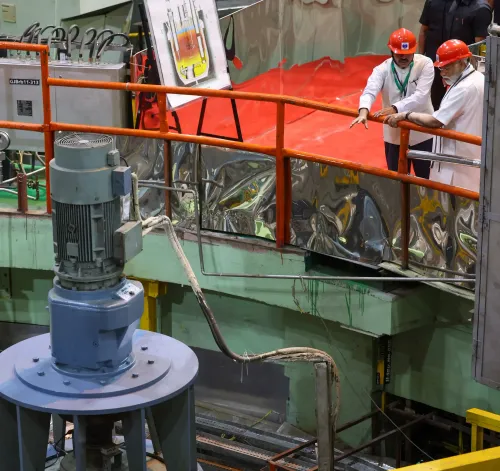
First criticality is the moment a nuclear reactor sustains a self-supporting chain reaction for the first time — in plain terms, the reactor comes alive. For the PFBR at Kalpakkam, operated by BHAVINI (Bharatiya Nabhikiya Vidyut Nigam Limited), this milestone closes a chapter that opened in 2004 when construction began, itself rooted in a Cabinet approval from 2003. The reactor is a sodium-cooled fast breeder design, capable of generating more fissile material than it consumes, a critical feature for a country that holds some of the world's largest thorium reserves but limited uranium.
Prime Minister Modi, whose words were amplified by the Science Minister, framed it directly: 'Our dependence on nuclear fuel exports poses a challenge to our energy security. Therefore, Bharat is developing its own fast breeder reactor technology.' The PFBR is the physical answer to that challenge.
Bhabha's three-stage blueprint, seven decades in the making
The timing of the announcement — on the eve of October 30, the birth anniversary of Dr. Homi Jehangir Bhabha — is deliberate. Bhabha, the physicist who founded BARC (Bhabha Atomic Research Centre) and architected India's nuclear programme in the 1950s, designed a three-stage roadmap specifically engineered around India's resource reality: scarce uranium, abundant thorium. Stage one used natural uranium reactors. Stage two — where the PFBR sits — breeds plutonium from spent fuel and stretches domestic fissile material further. Stage three, the eventual prize, would run on thorium directly.
The Minister's post, shared under the hashtag #ESTIC2026, situates the reactor milestone inside a broader narrative of scientific heritage — from the discovery of zero and early astronomical advances to a sovereign nuclear fuel cycle. The message connects ancient intellectual tradition to 21st-century energy strategy, framing both as expressions of the same national character.
ESTIC 2026 and the Viksit Bharat energy equation
The post was shared in the context of ESTIC 2026, an event that serves as a platform for reviewing India's science and technology trajectory. PM Modi's quoted remarks underscore that large-scale nuclear energy is not optional for a Viksit Bharat by 2047 — it is structural. India's electricity demand is projected to multiply significantly over the coming two decades, and coal-heavy generation sits uneasily alongside climate commitments. Fast breeder technology offers a pathway to clean, baseload power that does not depend on imported fuel.
What to watch next: the PFBR's progression from first criticality toward full-power operation and eventual grid connection, and any further announcements at ESTIC 2026 on additional fast breeder or thorium-cycle capacity.
Seven decades after Bhabha drew the blueprint, India's fast reactor is no longer a promise on paper — it is a reactor that has gone critical.
Point of View
If confirmed at full operational scale, would represent a structural shift in India's energy security calculus — not an incremental gain but a proof-of-concept for the entire second stage of Bhabha's nuclear roadmap. Framing it on Bhabha's birth anniversary and within the Viksit Bharat narrative is a deliberate signal that the government sees energy sovereignty as both a technical and civilisational project. The ESTIC 2026 platform amplifies this as policy intent, not just scientific achievement. The harder test — grid connectivity and commercial operation — will determine whether the decades of investment translate into actual megawatts.
NationPress
27 Oct 2026
Frequently Asked Questions
What is first criticality in a nuclear reactor?
First criticality is the point at which a nuclear reactor sustains a controlled, self-supporting chain reaction for the first time, confirming the reactor's core design is functional before it is ramped up to full power.
Where is India's Prototype Fast Breeder Reactor located?
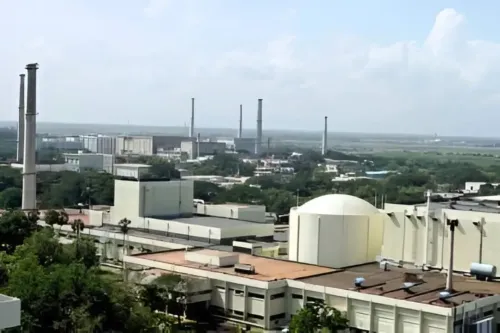
The Prototype Fast Breeder Reactor (PFBR) is located at Kalpakkam in Tamil Nadu, operated by BHAVINI . Construction began in 2004 and it has a designed capacity of 500 MW .
Why is the fast breeder reactor important for India's energy security?
India has limited uranium reserves but large thorium deposits. Fast breeder reactors breed more fissile plutonium than they consume, allowing India to reduce dependence on imported uranium and eventually transition to a thorium-based fuel cycle under the three-stage nuclear programme.
What is India's three-stage nuclear programme?
Designed by Dr. Homi Jehangir Bhabha in the 1950s , the programme starts with natural uranium reactors (Stage 1), moves to fast breeder reactors that produce plutonium (Stage 2), and ultimately aims for thorium-fuelled reactors (Stage 3) to leverage India's vast thorium reserves.