Maharashtra CM Fadnavis orders solar shift for all rural water schemes
Synopsis
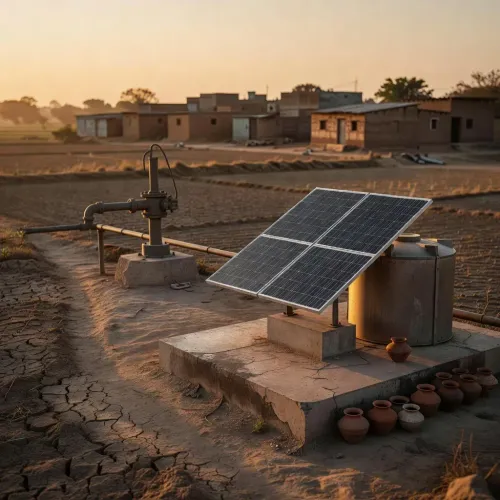
Maharashtra CM Devendra Fadnavis has ordered all rural water supply schemes to go solar — not as a green gesture, but as a financial emergency response to ballooning unpaid electricity bills. With solar systems already proposed for 22,185 schemes and taluka-level maintenance units mandated, this is the most sweeping overhaul of rural water infrastructure in the state in years.
Key Takeaways
CM Devendra Fadnavis on 12 June directed all rural water supply schemes in Maharashtra to be gradually shifted to solar energy .
Maharashtra Energy Development Agency (MEDA) has been tasked with formulating a comprehensive solar policy for all schemes.
No water supply scheme is to be shut down due to unpaid electricity bills; all must meet the 55-litre-per-person-per-day Central norm.
Solar systems have been proposed for 22,185 water supply schemes across the state; 11,643 already include solar in their Jal Jeevan Mission estimates.
Taluka-level maintenance units involving Gram Panchayats to be established; costs met through water tax collections.
Schemes with more than 50% work completed to receive immediate funding; all 100%-complete Jal Jeevan Mission schemes to be verified.
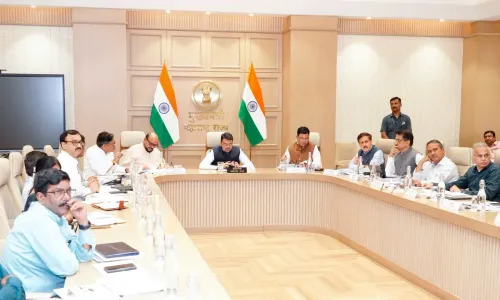
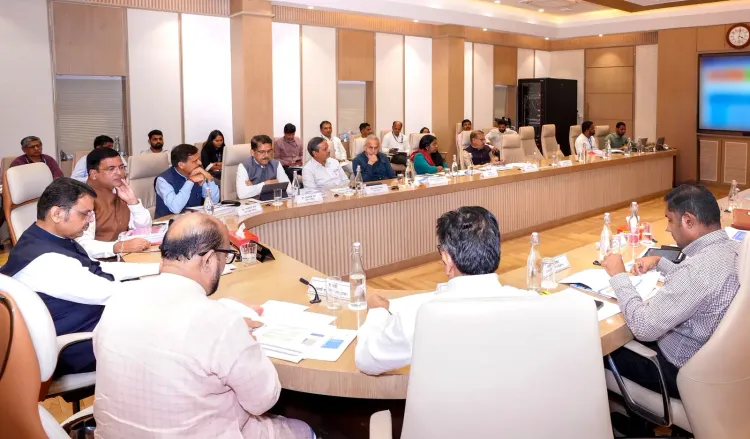
Maharashtra Chief Minister Devendra Fadnavis on Friday, 12 June directed that all rural water supply schemes across the state be gradually converted to solar energy, citing mounting unpaid electricity bills that are threatening the operational continuity of schemes serving millions of rural households. The directive came during a high-level departmental review meeting in Mumbai.
Solar Policy and Key Directives
Fadnavis instructed the Maharashtra Energy Development Agency (MEDA) to formulate a comprehensive solar energy policy covering all rural water supply schemes. The policy is to factor in the water source type, number of beneficiaries, motor pump capacity, and total electricity units consumed by each scheme.
He was unequivocal on one point: no water supply scheme in Maharashtra should be shut down due to unpaid electricity bills. All schemes must also conform to the Central Government norm of 55 litres of water per person per day.
Taluka-Level Maintenance Units
The Chief Minister directed the creation of taluka-level repair and maintenance units for both regional and independent rural water supply schemes. Gram Panchayats are to be integrated into these units, with maintenance costs to be met through water tax collections. In areas where water tax recovery is poor, funds are to be drawn from local self-government institutions.
A panel of agencies is also to be prepared at the taluka level for maintenance work. Agencies from this panel will be engaged based on resolutions passed by Gram Sabhas, ensuring no scheme becomes defunct due to a lack of repairs.
Sustainable Water Sources and Existing Funds
Fadnavis stressed that rural water sources must be made sustainable so that new sources do not need to be identified repeatedly — a cycle he said diminishes the value of past investments. He pointed to the VBG Ramji Scheme as an existing funding avenue to reinforce current water sources, and directed that these resources be actively utilised.
Jal Jeevan Mission and Restoration Schemes
On restoration and reconnection, the Chief Minister directed that schemes with more than 50 per cent work completed be allocated funds for immediate completion. He also instructed that all schemes declared 100 per cent complete under the Jal Jeevan Mission be independently verified.
Notably, solar systems have already been incorporated into the original estimates of 11,643 schemes under the Jal Jeevan Mission. Across Maharashtra, solar systems have been proposed for 22,185 water supply schemes in total — signalling that the solar transition is already underway at scale, even as the policy framework catches up.
With the policy mandate now formalised at the highest level, the pace of Maharashtra's rural solar water transition will depend on how quickly MEDA can deliver a workable framework and how effectively taluka-level units are operationalised on the ground.
Point of View
And taluka-level units must be staffed and funded before they can prevent scheme collapses. The Jal Jeevan Mission's own data — 22,185 schemes flagged for solar — suggests the pipeline exists; what has been missing is a binding policy directive. Fadnavis has now provided that, but the gap between a CM's instruction and a functioning gram-level repair unit in Vidarbha or Marathwada is where rural infrastructure schemes have historically stalled.
NationPress
27 Oct 2026
Frequently Asked Questions
Why is Maharashtra shifting rural water supply schemes to solar energy?
Rising unpaid electricity bills have threatened the operational continuity of many rural water supply schemes across Maharashtra. CM Devendra Fadnavis directed the solar shift on 12 June to reduce dependence on grid power and prevent schemes from being shut down due to outstanding dues.
How many water supply schemes in Maharashtra will get solar systems?
Solar systems have been proposed for 22,185 water supply schemes across Maharashtra. Of these, 11,643 schemes under the Jal Jeevan Mission already include solar in their original estimates.
What is the role of MEDA in this solar water supply plan?
The Maharashtra Energy Development Agency (MEDA) has been directed to formulate a comprehensive solar energy policy for all rural water supply schemes. The policy must account for water source type, number of beneficiaries, motor pump capacity, and electricity consumption of each scheme.
How will rural water scheme maintenance be managed under the new directive?
Taluka-level repair and maintenance units will be established, with Gram Panchayats involved. Costs will be met through water tax collections, and in low-recovery areas, funds will come from local self-government institutions. Agencies will be empanelled at the taluka level and engaged based on Gram Sabha resolutions.
What is the Central Government norm for rural water supply that Maharashtra must follow?
The Central Government norm requires that every rural water supply scheme provide 55 litres of water per person per day. CM Fadnavis directed that all schemes in Maharashtra be completed and operated in compliance with this standard.