Giriraj Singh hails millet revival from Meghalaya to Nagaland
Synopsis
Union Textiles Minister Giriraj Singh highlighted the growing millet revival from Meghalaya to Nagaland, praising youth innovation and farmer effort under India's Shri Anna branding campaign, in a post tied to PM Modi's Mann Ki Baat programme on 25 October 2026.
Key Takeaways
Giriraj Singh praised millet revival across Meghalaya and Nagaland in an X post on 25 October 2026 .
The post highlighted local youth entrepreneurship and farmer effort driving new millet-based products in India's Northeast.
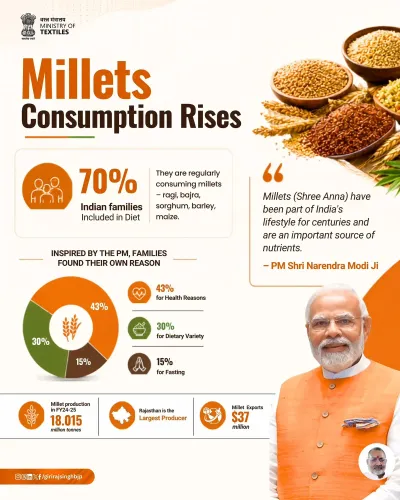
Shri Anna is the Government of India's branding initiative to reposition millets as climate-resilient and nutritious crops.
India championed the United Nations' declaration of 2023 as the International Year of Millets, boosting global awareness.
The post was tagged #MannKiBaat , connecting it to Prime Minister Modi's monthly citizen-spotlight radio programme.
Upcoming policy levers include millet processing clusters, Farmer Producer Organisations (FPOs) , and market linkages in Meghalaya and Nagaland.
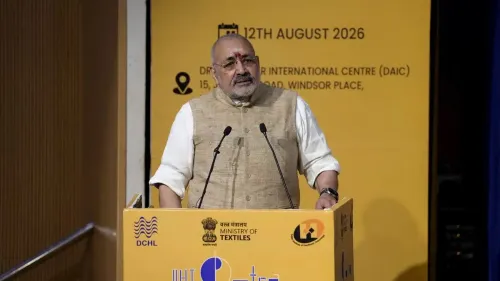
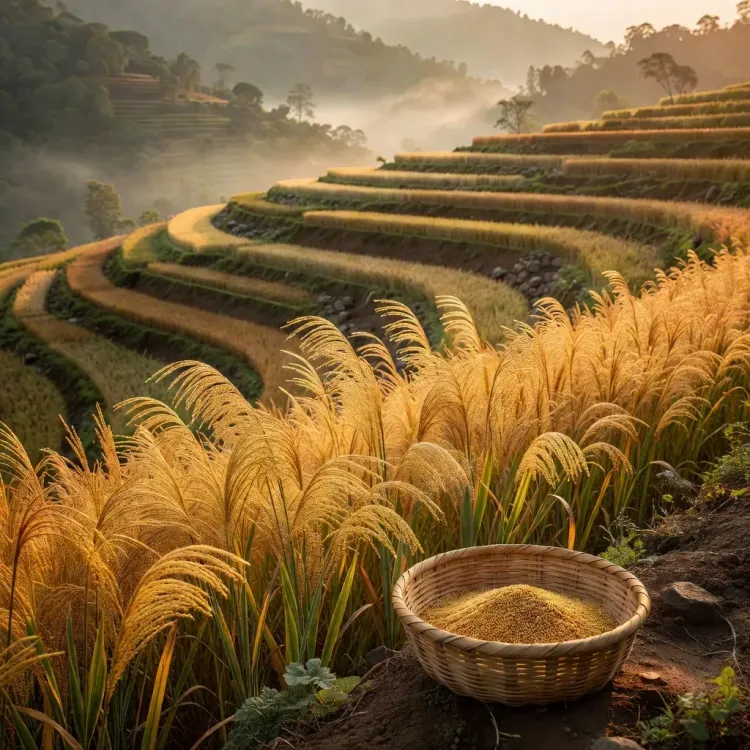
From the terraced hillsides of Meghalaya to the tribal heartlands of Nagaland, an ancient grain is reclaiming its place — and Union Textiles Minister Giriraj Singh wants the country to take notice. On Sunday, 25 October 2026, the senior BJP leader posted on X to highlight how local youth and farmers across India's Northeast are turning millets into a modern livelihood, framing it as heritage meeting prosperity.
In his post, Singh wrote: 'Meghalaya se Nagaland tak Shri Anna ki parampara phir nayi pehchaan bana rahi hai' — 'From Meghalaya to Nagaland, the tradition of Shri Anna is forging a new identity.' He cited the innovative push by local youth and farmers' hard work, describing it as 'an inspiring example of connecting heritage with prosperity.' The post was tagged #MannKiBaat, linking it to Prime Minister Narendra Modi's monthly radio programme that regularly spotlights such grassroots stories.
Shri Anna: from a UN moment to a Northeast movement
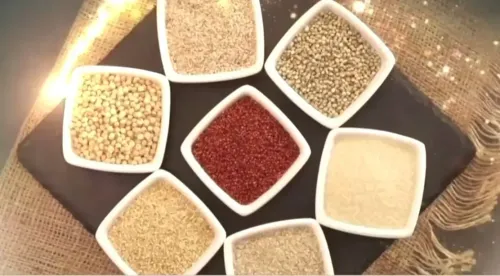
The Shri Anna branding is no accident of enthusiasm — it is the Government of India's deliberate campaign to reposition millets as a premium, climate-resilient, nutritious alternative to water-intensive crops. The initiative gathered global momentum when India successfully championed the United Nations' declaration of 2023 as the International Year of Millets, putting the humble crop on the world's agricultural map.
The Northeast makes for a particularly resonant canvas for this revival. Meghalaya and Nagaland both carry deep traditions of rainfed tribal farming where millets were once a staple before shifting consumption patterns marginalised them. Central policy has increasingly sought to reverse that drift — not just through cultivation support but through value addition: processing clusters, Farmer Producer Organisations, and market linkages that allow a traditional grain to command a contemporary price.
Youth entrepreneurship as the new amplifier
What makes Singh's observation politically and economically significant is the youth angle. Across India's hill states, a generation of young entrepreneurs is experimenting with millet-based products — snacks, health foods, beverages — that travel far beyond the village mandi. This convergence of traditional knowledge and entrepreneurial energy is precisely the value chain the Shri Anna mission was designed to catalyse.
For farmers in these states, the upside is tangible: millets demand far less water and fewer inputs than paddy or wheat, reducing both cost and climate vulnerability. When those crops also find premium buyers, the calculus for a hill farmer changes decisively.
Mann Ki Baat as the national amplifier
By tagging the post to #MannKiBaat, Singh signals that this Northeast millet story is the kind of citizen-led success the Prime Minister's programme is built to broadcast. Mann Ki Baat has consistently served as a soft-power megaphone for schemes the government wants to move from policy document to public consciousness — and the Shri Anna campaign has featured in that ecosystem before.
The path from Singh's post to the next policy step is already visible in the blueprint: millet processing clusters, FPO formation, and dedicated market linkages in Meghalaya and Nagaland under central schemes are the instruments waiting to be scaled. Heritage, it turns out, is only as powerful as the supply chain behind it.
Point of View
The BJP government stitches together two of its most visible soft-power instruments — the millet brand and the Prime Minister's radio reach — into a single optics moment. The Northeast focus is strategically significant: it projects inclusive development in a region the ruling alliance has prioritised electorally and administratively. The real test, as always, will be whether processing infrastructure and market linkages follow the rhetoric at the pace hill farmers actually need.
NationPress
25 Oct 2026
Frequently Asked Questions
What is Shri Anna in India?
'Shri Anna' is the Government of India's branding initiative for millets, positioning them as nutritious, climate-resilient crops to boost cultivation and value addition, especially among rainfed and tribal farming communities.
Why is millet cultivation being promoted in Meghalaya and Nagaland?
Both states have deep traditions of rainfed tribal farming where millets were historically a staple. Central policy under the Shri Anna campaign aims to revive and commercialise this heritage through processing clusters, FPOs, and market linkages.
What was the International Year of Millets?
The United Nations declared 2023 the International Year of Millets following a proposal by India, aimed at raising global awareness, increasing production, and improving the livelihoods of millet farmers worldwide.
What is Mann Ki Baat and why did Giriraj Singh tag it?
'Mann Ki Baat' is Prime Minister Narendra Modi's monthly radio programme that highlights citizen initiatives and government priorities. Singh tagged #MannKiBaat to link the Northeast millet revival story to the programme's national audience.
How does millet farming benefit hill farmers in the Northeast?
Millets require significantly less water and fewer agricultural inputs than paddy or wheat, reducing costs and climate vulnerability. When combined with value addition and premium market access, they can meaningfully improve farm incomes in hill states.