India lifts fuel sale curbs for commercial buyers from July 1
Synopsis
India's Centre is lifting a 19-day ban on commercial fuel purchases at retail outlets from 1 July, ending one of the more unusual regulatory interventions in domestic energy policy in recent years. The curbs were triggered not by a shortage but by a ₹40-per-litre price gap between retail and bulk diesel — a structural distortion that, if unaddressed, could force the government's hand again.
Key Takeaways
The Centre will withdraw commercial fuel purchase restrictions effective 1 July 2026 .
Restrictions were first imposed on 12 June 2026 under the Motor Spirit and High-Speed Diesel (Temporary Regulation of Supply through Retail Outlets) Order, 2026 .
The 200-litre-per-day diesel cap on commercial buyers stands lifted.
The curbs were driven by a ₹40 per litre price difference between retail and bulk diesel, prompting bulk consumers to shift to retail outlets.
The Ministry of Petroleum and Natural Gas had clarified no fuel shortage existed; measures were anti-hoarding in nature.
The original order allowed restrictions to last up to 90 days ; they were lifted after approximately 19 days .
The Centre on Monday, 30 June 2026 formally decided to withdraw temporary restrictions on the retail sale of petrol and diesel to commercial consumers, effective 1 July 2026, restoring unrestricted fuel access for industrial, institutional, and transport sector users. The rollback ends a nearly three-week-old regulatory measure that had drawn attention to unusual demand patterns at public sector fuel outlets across the country.
What Changes from July 1
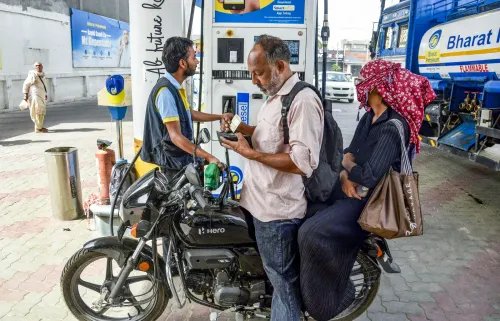
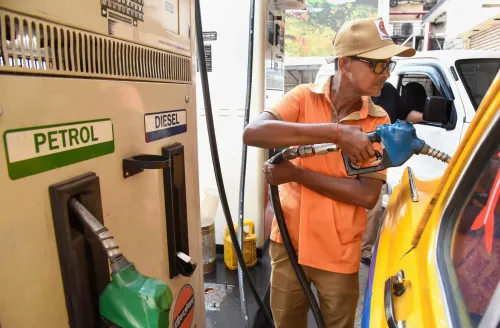
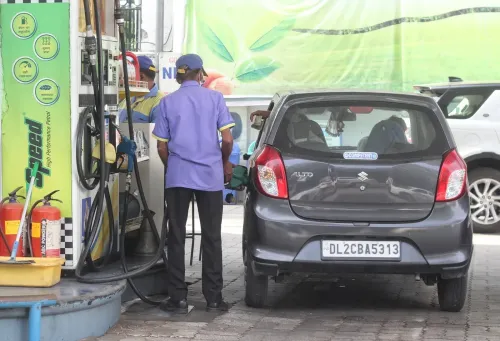
Under a fresh government order, commercial buyers — including transport operators, factories, and institutional consumers — will once again be permitted to purchase petrol and diesel from retail fuel stations without any quantity cap. The 200-litre-per-customer-per-day ceiling on diesel sales, which had been in force since 12 June 2026, stands withdrawn.
The restrictions had been enforced through the Motor Spirit and High-Speed Diesel (Temporary Regulation of Supply through Retail Outlets) Order, 2026, which barred industrial and bulk consumers from accessing retail outlets operated by public sector oil marketing companies.
Why the Curbs Were Imposed
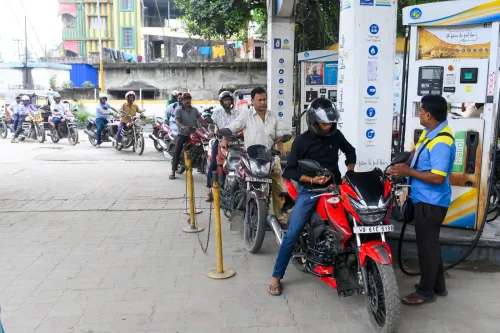
The Ministry of Petroleum and Natural Gas had introduced the measures citing a sharp and unusual spike in demand at retail fuel outlets. The trigger, according to the ministry, was a significant price arbitrage: retail diesel prices were approximately ₹40 per litre lower than bulk diesel prices, since bulk supplies continued to track international market trends while retail prices remained regulated.
This gap prompted a large number of industrial and bulk diesel consumers to migrate their purchases from dedicated consumer pumps to retail outlets, straining supply at those stations. The ministry had framed the curbs as anti-hoarding and anti-diversion measures, explicitly stating they did not reflect any shortage of fuel in the country.
How Long the Curbs Lasted
The restrictions, introduced on 12 June 2026, remained in effect for approximately 19 days before being lifted. The original order had allowed the measures to remain operative for up to 90 days if warranted. The early withdrawal suggests the government assessed that the demand distortion had been adequately contained.
Notably, this is the first time such a supply-regulation order has been invoked for petrol and diesel retail in recent memory, underscoring the sensitivity of domestic fuel pricing policy amid volatile global energy markets.
Impact on Commercial and Transport Sectors
Transport operators and industrial users had faced operational constraints during the restriction period, with many unable to fill up at the nearest retail outlet and required to route purchases through dedicated bulk supply channels. The lifting of curbs is expected to ease logistics costs and reduce compliance friction for small and medium enterprises that lack access to bulk supply infrastructure.
With the July 1 rollback now confirmed, the focus shifts to whether the underlying price gap between retail and bulk diesel will be addressed — a structural issue that, if left unresolved, could trigger similar demand distortions in the future.
Point of View
The same hoarding incentive remains intact, and a repeat regulatory intervention cannot be ruled out. What this episode also reveals is how sensitive India's fuel retail network remains to price signals — and how quickly industrial consumers can overwhelm a system designed for individual end-users.
NationPress
29 Jun 2026
Frequently Asked Questions
Why did India impose restrictions on commercial fuel purchases in June 2026?
The government imposed the curbs on 12 June 2026 to prevent hoarding and diversion of fuel at retail outlets, after industrial and bulk diesel consumers began bypassing dedicated consumer pumps to exploit a ₹40-per-litre price advantage at retail stations. Officials clarified the move did not indicate any fuel shortage.
When will the fuel sale restrictions be lifted?
The Centre has confirmed the restrictions will be withdrawn from 1 July 2026, ending the 200-litre daily diesel cap and restoring unrestricted retail fuel access for commercial buyers.
Who was affected by the fuel retail restrictions?
Industrial consumers, institutional buyers, and transport sector operators were barred from purchasing petrol and diesel at retail outlets during the restriction period. They were required to source fuel through dedicated bulk supply channels instead.
How long were the fuel curbs in force?
The restrictions lasted approximately 19 days, from 12 June 2026 to their withdrawal effective 1 July 2026. The original order had permitted the measures to remain in force for up to 90 days if necessary.
What was the price difference between retail and bulk diesel that triggered the curbs?
Retail diesel prices were approximately ₹40 per litre lower than bulk diesel prices at the time the curbs were imposed, as bulk supplies continued to reflect international market trends while retail prices remained regulated. This gap incentivised large consumers to shift purchases to retail outlets.