Pralhad Joshi Chairs Meet on Boosting India's Testing Infrastructure
Synopsis
Union Consumer Affairs Minister Pralhad Joshi chaired a Consultative Committee meeting on July 30, 2026, on boosting India's testing infrastructure. Discussions covered modern labs, quality assurance, and internationally benchmarked standards to protect consumers and sharpen India's export competitiveness.
Key Takeaways
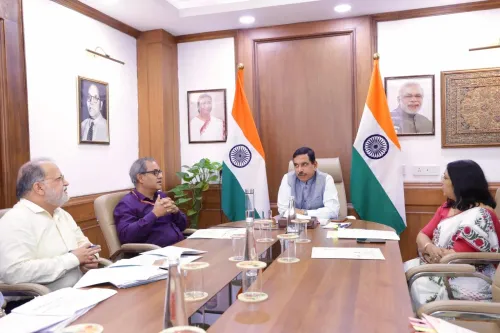
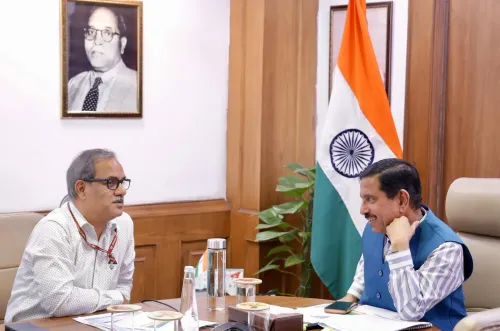
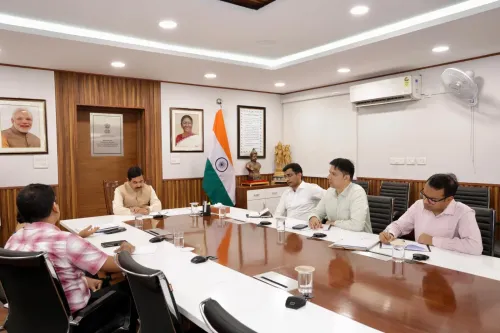
Pralhad Joshi chaired the Consultative Committee meeting of the Ministry of Consumer Affairs, Food and Public Distribution on July 30, 2026 .
The meeting's stated theme was 'Boosting Testing Infrastructure for Economic Growth' , covering modern laboratories, quality assurance, and international benchmarks.
The Bureau of Indian Standards (BIS) , empowered by the BIS Act 2016 , is the nodal body for certification and testing across Indian industry.
Quality Control Orders (QCOs) notified from 2017 onward have made BIS certification compulsory in sectors including steel, chemicals, electronics, and toys.
A stronger testing ecosystem is positioned as critical to both consumer protection and India's global export competitiveness under Make in India .
Concrete outcomes — new schemes, budget allocations, or expanded QCO coverage — are the next milestones to watch.
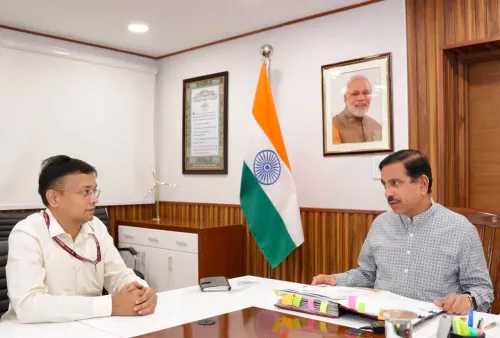
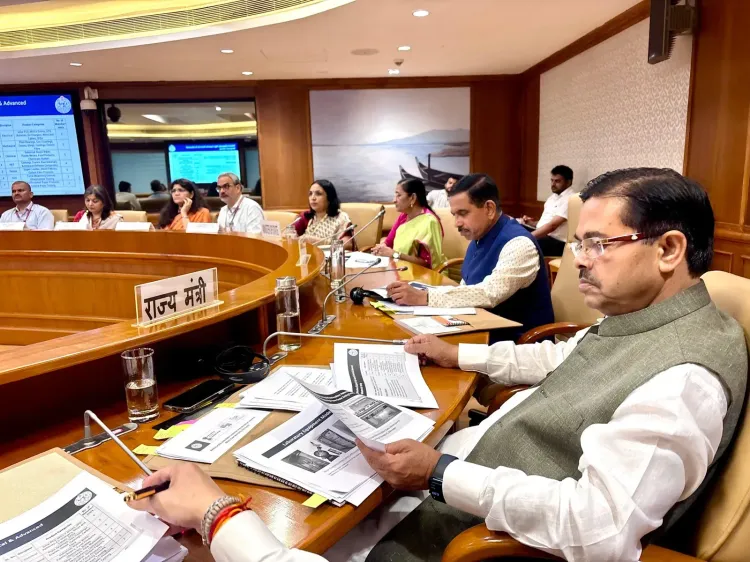
India's product quality regime got a high-level push on Thursday, July 30, 2026, when Union Consumer Affairs Minister Pralhad Joshi chaired a Consultative Committee meeting of the Ministry of Consumer Affairs, Food and Public Distribution focused squarely on strengthening the country's testing ecosystem for economic growth.
The meeting centred on a theme that sits at the intersection of consumer protection and industrial ambition: Boosting Testing Infrastructure for Economic Growth. Joshi said discussions covered modern laboratories, enhanced quality assurance, and internationally benchmarked standards — a package aimed at making Indian products credible both at home and in global markets.
Why Testing Labs Are a Trade-Policy Tool
A laboratory might sound like a back-room concern, but for Indian exporters it is often the front line. When a consignment of electronics, steel, or toys reaches a foreign port, the first question an overseas buyer asks is whether it meets the destination market's standards — and whether a recognised lab has certified it. Delays or rejections at that stage cost money, damage reputations, and slow the broader Make in India push. India has been building this layer of quality infrastructure steadily since the Bureau of Indian Standards Act, 2016 replaced the older 1986 legislation, modernising the role of the Bureau of Indian Standards (BIS) in certification and testing. From 2017 onward, a wave of Quality Control Orders (QCOs) made BIS certification compulsory across sectors — steel, chemicals, electronics, toys — raising the bar for what can be sold in the Indian market and, by extension, what Indian factories must be equipped to prove.Consumer Interests and Competitiveness — Two Sides of the Same Standard
Joshi framed the agenda in dual terms: safeguarding consumers on one side, lifting industrial competitiveness on the other. A robust testing network does both simultaneously. When a substandard product fails a lab test before it reaches a shelf, the consumer never encounters it. When an Indian manufacturer can certify its output against an international benchmark without shipping samples abroad, the cost and time saved flows directly into export competitiveness. The ministry's social-media handles @fooddeptgoi and @jagograhakjago — the government's consumer-awareness campaign account — were tagged in the post, signalling that the messaging is intended to reach both the industry audience and the everyday consumer.What the Industry Will Be Watching Next
Consultative Committee meetings are deliberative forums where parliamentarians from across parties engage with ministry priorities — they shape direction rather than announce decisions. The concrete follow-through to watch is whether the discussions translate into a central-sector scheme for laboratory upgradation, fresh budgetary allocation, or expanded QCO coverage in sectors where testing capacity still lags. India's trade agreements and its ambition to raise manufacturing's share of GDP both depend on whether the lab network can keep pace with the export targets being set at the top. The quality of what India makes is only as provable as the infrastructure used to test it. That, in essence, is the bet Joshi's ministry is placing.Point of View
Accelerated through QCOs since 2017. For Joshi's ministry, positioning testing infrastructure alongside consumer protection and ease of doing business is a deliberate attempt to build cross-stakeholder consensus for what is otherwise a technical, low-visibility reform. The real test will be whether the political momentum translates into budgetary commitment in the next Union Budget cycle.
NationPress
14 Sept 2026
Frequently Asked Questions
What was discussed at Pralhad Joshi's Consultative Committee meeting on July 30 2026?
The meeting focused on boosting India's testing infrastructure for economic growth, covering modern laboratories, quality assurance improvements, and internationally benchmarked standards to benefit consumers and exporters.
What is the Bureau of Indian Standards and why does it matter for exports?
The Bureau of Indian Standards (BIS) is India's national standards body responsible for framing quality standards and running certification and testing laboratories. Products certified by BIS are more readily accepted in export markets, making BIS central to India's trade competitiveness.
What are Quality Control Orders (QCOs) in India?
Quality Control Orders (QCOs) are government notifications that make BIS certification compulsory for specific product categories. Since 2017, QCOs have been issued for sectors including steel, chemicals, electronics, and toys to raise product quality standards.
How does testing infrastructure help Indian consumers?
Robust testing labs catch substandard or unsafe products before they reach store shelves, directly protecting consumers from poor-quality goods. Internationally benchmarked standards also ensure that products sold in India meet the same quality bar as those in global markets.
What should we watch for after this Consultative Committee meeting?
Key follow-throughs include any new central-sector scheme for laboratory upgradation, fresh Union Budget allocations for testing infrastructure, and possible expansion of Quality Control Orders to sectors where testing capacity currently lags.