Iran's Pezeshkian vows dialogue, warns enemies cannot force surrender
Synopsis
Iran's President Pezeshkian is signalling dialogue — but not concession. With Qatar- and Pakistan-mediated talks described as 'extremely intensive,' a September ceasefire proposal still unresolved, and the Strait of Hormuz hanging in the balance, Tehran is walking a razor's edge between diplomacy and the threat of a 'far more bitter' military response.
Key Takeaways
Iranian President Masoud Pezeshkian on 3 November 2026 vowed to pursue diplomatic solutions while rejecting any notion of surrender to 'enemies.' Supreme Leader Mojtaba Khamenei has reportedly granted the government specific authorities to pursue diplomatic solutions.
Foreign Minister Seyed Abbas Araghchi described Qatar- and Pakistan-mediated talks on ending regional hostilities as 'extremely intensive.' Araghchi said the Strait of Hormuz would reopen if Iran's conditions are accepted, while warning of a 'far more bitter and severe' response to further US military action.
The 60-day MoU negotiation window — which closed on 17 August — ended without a final deal on Iran's nuclear programme or sanctions removal.
Iran reportedly conveyed a seven-day ceasefire proposal to the US through mediators on 22 September ; a comprehensive agreement remains elusive.
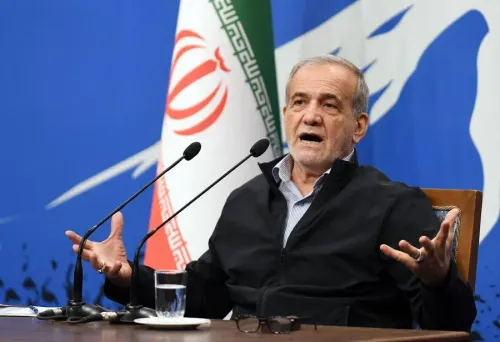
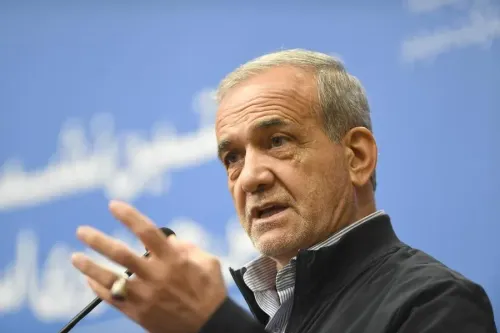
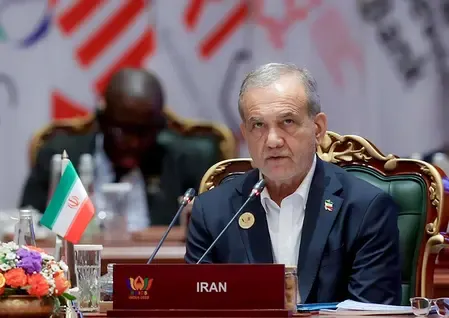
Iranian President Masoud Pezeshkian on 3 November 2026 declared that his administration will pursue diplomatic solutions to resolve problems attributed to 'enemies,' while firmly stating that Iran will not be forced into submission. Speaking at a meeting with the country's governors and mayors in Tehran, Pezeshkian said Supreme Leader Mojtaba Khamenei has granted the government specific authorities to pursue these diplomatic avenues.
Key Statements from Pezeshkian
The Iranian president underscored that no party benefits from war, and that the 'enemies' — a term Iranian officials use to refer primarily to the United States and Israel — will not succeed in compelling Iran to surrender. Pezeshkian specifically accused Washington of attempting to disrupt Iran's cross-border trade with neighbouring countries, vowing to 'foil the enemies' plot with the people's cooperation and companionship.'
Diplomacy at a Critical Juncture
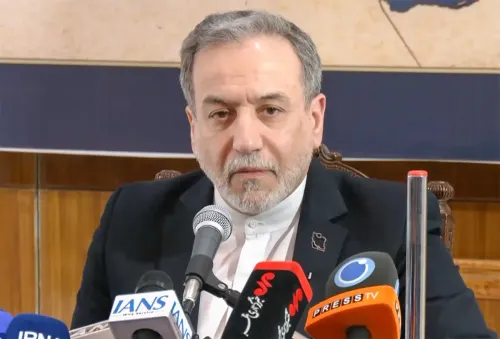
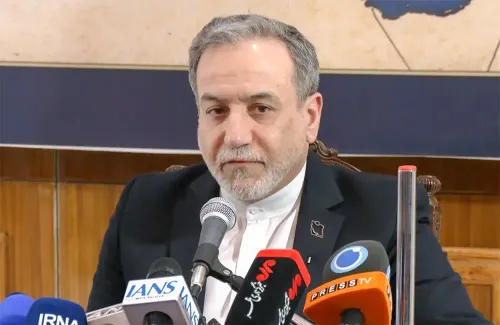
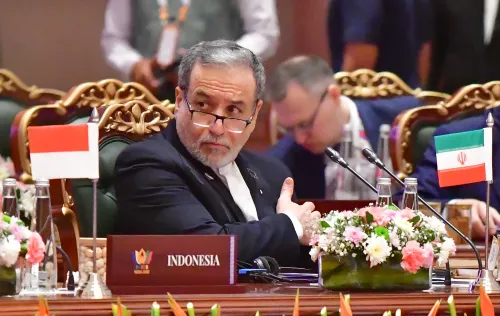
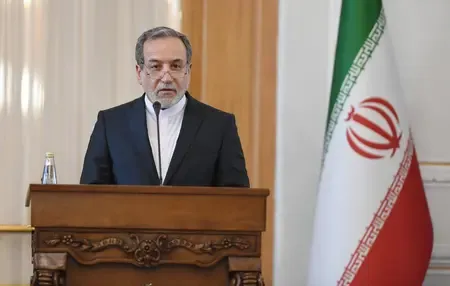
Also on Monday, Iran's Foreign Minister Seyed Abbas Araghchi described Qatar- and Pakistan-mediated consultations aimed at ending regional hostilities as 'extremely intensive,' citing the sensitivity and urgency of the current circumstances. Speaking at the end of his visit to Turkmenistan, Araghchi said, 'Exchange of visits by delegations is evident, and tens of phone conversations are being held among the parties, and numerous messages are being exchanged.'
Araghchi reiterated Tehran's dual posture of readiness for both diplomacy and defence, noting that the Strait of Hormuz — a critical global oil chokepoint — would reopen if Iran's conditions are accepted. He also warned that any further military escalation by Washington would draw a 'far more bitter and severe' response.
Background: How the Conflict Unfolded
On 28 February, Israel and the United States launched joint attacks on Tehran and other Iranian cities. Iran retaliated with waves of missile and drone strikes targeting Israeli territory and US military bases and assets across the region, while simultaneously tightening its control over the Strait of Hormuz.
A ceasefire was reached between the warring parties on 8 April. Subsequently, on 18 June, Iran and the United States signed a memorandum of understanding (MoU) aimed at ending hostilities on all fronts across the region.
Stalled Nuclear Talks and Unresolved Tensions
Under the terms of the MoU, both nations were required to hold negotiations within 60 days — a window that closed on 17 August — to reach a final agreement on Iran's nuclear programme and the removal of sanctions. However, according to reports, the two sides failed to make sufficient progress toward a deal as tensions continued to escalate. On 22 September, Iran reportedly conveyed a seven-day proposal to the United States through mediators to end hostilities and reopen the Strait of Hormuz, though a comprehensive agreement remains elusive.
With diplomatic channels still active but a final deal out of reach, the coming weeks will be critical in determining whether the region moves toward a lasting settlement or a renewed cycle of escalation.
Point of View
From a foreign minister, typically precedes either a breakthrough or a breakdown. The MoU's failure to yield a deal by August was a structural setback, and the September seven-day proposal suggests Iran is running out of patience with a process it believes Washington is using to buy time. The Strait of Hormuz remains the single most potent lever Tehran holds — and the fact that it is still being offered as a bargaining chip, rather than exercised unilaterally, suggests Iran is not yet ready to walk away from the table.
NationPress
3 Nov 2026
Frequently Asked Questions
What did Iran's President Pezeshkian say about resolving tensions with the US?
President Masoud Pezeshkian said on 3 November 2026 that his administration will pursue dialogue to resolve problems caused by 'enemies,' while stressing that Iran will not be compelled to surrender. He also accused the United States of attempting to disrupt Iran's cross-border trade with neighbouring countries.
What is the current status of Iran-US nuclear negotiations?
Talks have stalled after both sides failed to reach a final agreement within the 60-day window mandated by a memorandum of understanding signed on 18 June. The deadline passed on 17 August without sufficient progress on Iran's nuclear programme or sanctions removal, and tensions have continued to escalate since.
Why is the Strait of Hormuz significant in these negotiations?
The Strait of Hormuz is a critical global oil chokepoint through which a significant share of the world's seaborne crude oil passes. Iran has tightened control over the strait as leverage, with Foreign Minister Araghchi saying it would reopen only if Iran's conditions are accepted.
What role are Qatar and Pakistan playing in the Iran-US standoff?
Qatar and Pakistan are serving as mediators in consultations aimed at ending regional hostilities. Foreign Minister Araghchi described these talks as 'extremely intensive,' citing active delegation exchanges, tens of phone conversations, and numerous messages being exchanged between the parties.
How did the current Iran-US conflict begin?
On 28 February, Israel and the United States launched joint attacks on Tehran and other Iranian cities. Iran responded with missile and drone strikes on Israeli territory and US regional assets, and tightened its grip on the Strait of Hormuz. A ceasefire followed on 8 April, and an MoU was signed on 18 June, but a final deal has not materialised.